ATLANTA (AP) — In a continued effort to reshape the political landscape, the Republican-majority Georgia House has passed a controversial bill mandating nonpartisan elections in the five most populous counties surrounding Atlanta. This follows a trend where Democrats have been gaining electoral leverage in these critical areas.
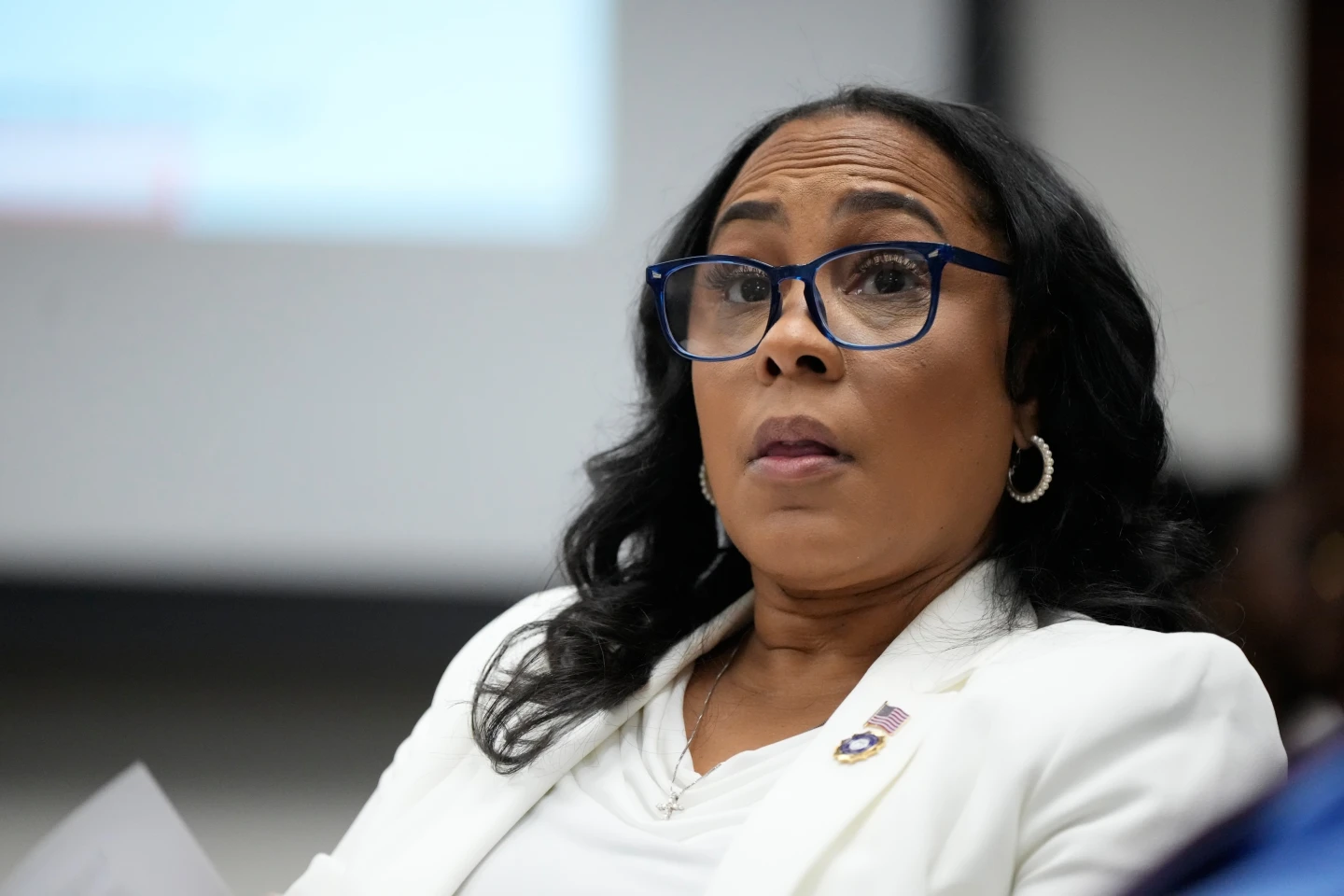
The new legislation impacts high-ranking local offices, including district attorneys, solicitors general, and county commissioners, and is set to take effect in 2028. Among those affected is the controversial Fulton County District Attorney, Fani Willis, who has come under fire from Republican lawmakers for her prosecution of former President Donald Trump.
Proponents of the bill, including State Senator John Albers, argue that it will enhance public safety by minimizing political influence in local governance. Albers stated during the Senate debate, “If you’re playing politics, you’ll be against this. If you want to keep Georgians safe, you’ll be for it.” However, the move has drawn criticism from Democrats, who claim it is a tactic aimed at diluting Democratic voter power.
The counties affected — Fulton, DeKalb, Clayton, Cobb, and Gwinnett — represent critical Democratic strongholds. Since 2016, Cobb and Gwinnett have seen increasing support for Democrats, further complicating the political dynamics in Georgia. State Rep. Gabriel Sanchez, a Democrat, articulated concerns that the bill is an attempt by Republicans to disguise their political agenda, stating, “They want to hide behind a nonpartisan badge in order to win.”
Despite Republican assurances that this ain’t targeted towards specific officials, other Republicans suggested that this legislation allows voters to replace district attorneys who they feel are more invested in politics than in administering justice. Over the years, multiple bills aimed at district attorneys and specifically targeting Willis have been introduced by Republican legislators.
Critics also argue that passing this measure does not change the underlying partisan nature of district attorney positions, as these officers are part of the judicial branch, rather than being directly elected county officials. Thus, a constitutional amendment would be necessary to implement such changes state-wide; a route currently hindered by Democratic representation in the General Assembly.
Amongst all the rhetoric surrounding the bill, questions linger regarding whether Governor Brian Kemp will sign this legislation into law. With divided opinions within the Republican ranks and the potential implications for future elections now at stake, Georgia's political landscape remains as turbulent as ever.