In brief
The Transportation Security Administration (TSA) is facing a significant crisis as its employees continue to work without pay amid an ongoing government shutdown. Union leaders report increasing resignations from staff, creating longer wait times for travelers and highlighting the deep financial struggles faced by agents. As TSA workers continue to grapple with economic instability, the agency's management challenges risk exacerbating staff turnover and job dissatisfaction.
Eviction notices, vehicle repossessions, empty refrigerators — these reflect the dire financial situations faced by numerous Transportation Security Administration (TSA) agents as the U.S. government endures another funding lapse. This marks the third shutdown in under six months, compelling essential TSA personnel to work without pay.
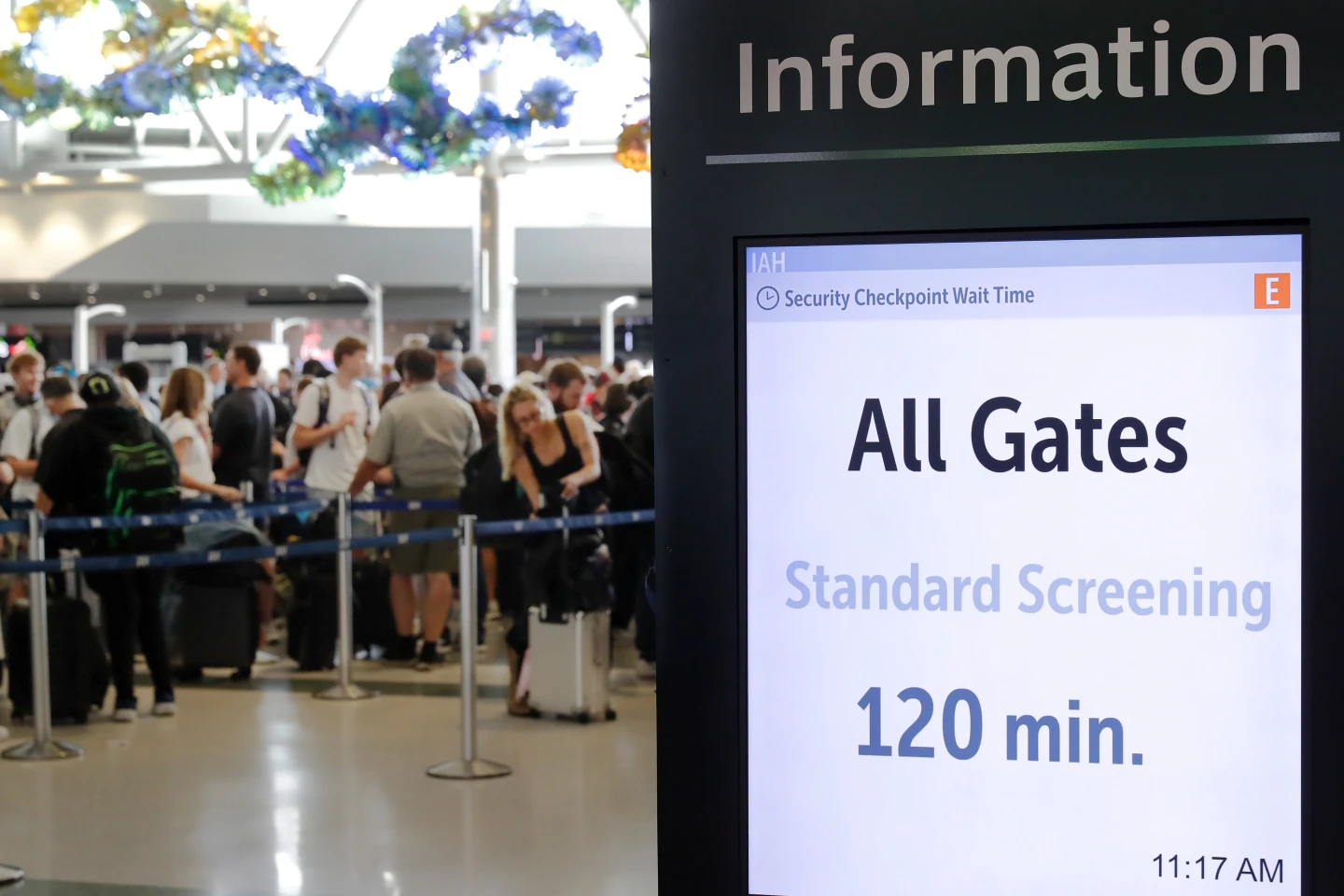
The implications of this funding halt extend beyond the financial realm, as travelers are experiencing unusually long wait times at airports. Reports indicate that since the shutdown commenced on February 14, at least 376 TSA officers have resigned — a significant number for an agency grappling with historically low morale and high turnover.
Cameron Cochems, a TSA union leader from Boise, Idaho, expressed the emotional toll this situation has taken on employees: It’s just exhausting. Every day feels like a heavier weight on us.” Cochems has indicated the number of resignations may not fully capture the extent of personnel challenges, suggesting that many would have left if job market conditions were better.
A recent report from the U.S. Government Accountability Office highlighted long-standing concerns over low morale within TSA, attributing dissatisfaction to comparatively low pay, inconsistent management, and poor work-life balance. The starting salary for TSA agents is roughly $34,500, while the average ranges between $46,000 to $55,000.
With shutdowns disrupting job stability, many TSA agents have resorted to side jobs to supplement their incomes. Cochems himself works at seasonal jobs screening college sports teams, but this additional income isn’t sufficient to keep up with rising expenses, especially after his wife lost her job recently. Food drives and community support have emerged to assist struggling TSA families at overwhelmed airports.
The ongoing staffing problem has triggered significant delays. It is reported that on recent weekends, many agents were absent, with percentages far exceeding typical rates in major airports. The government has acknowledged that approximately 50,000 TSA personnel are actively working, yet absenteeism climbs as many agents face the stark reality of unpaid labor amidst rising living costs.
As Congress debates further funding measures, the future remains uncertain for TSA employees. Industry leaders caution that if current circumstances persist, the agency could face deeper attrition challenges, hindering staff recruitment and retention efforts.