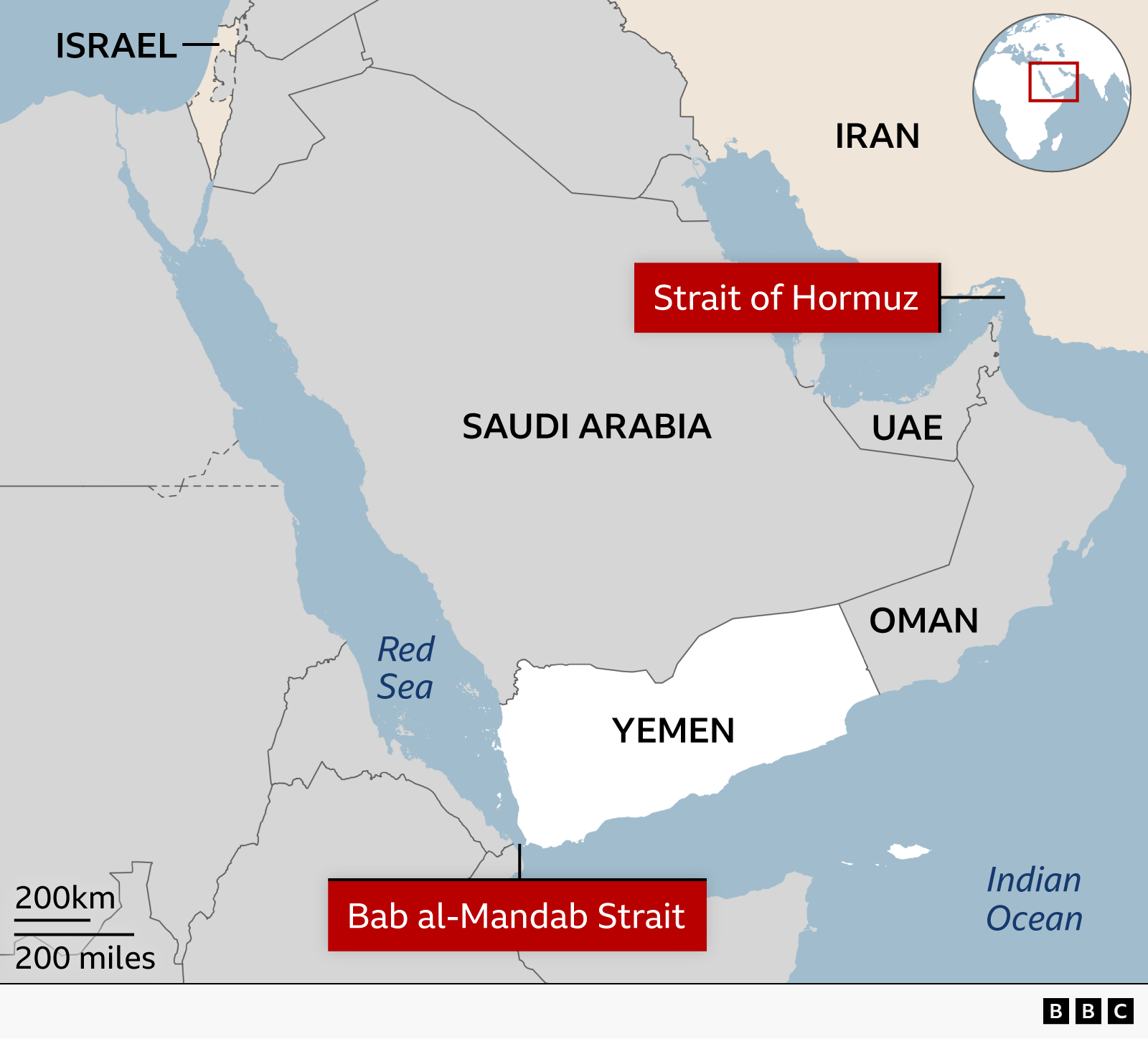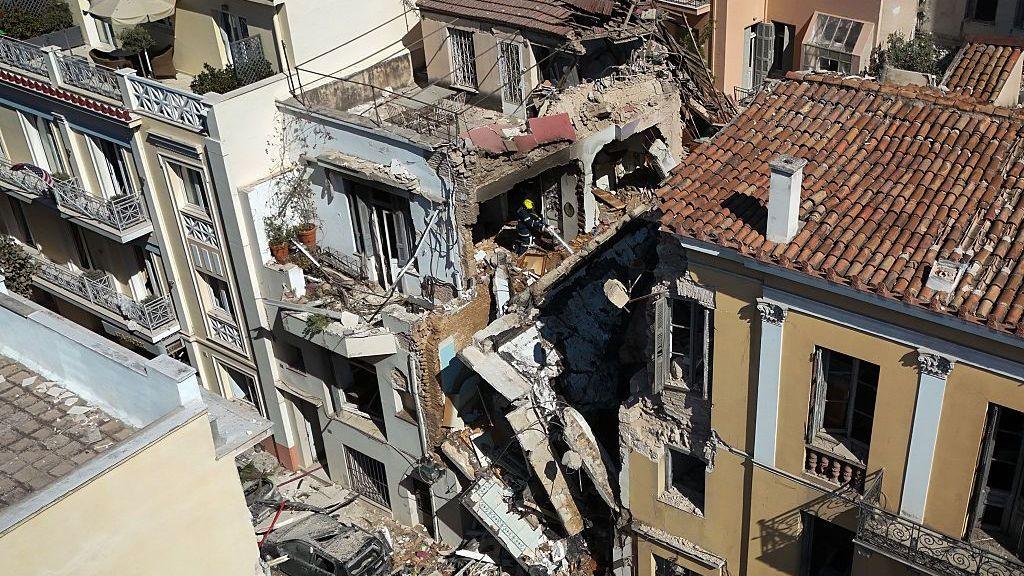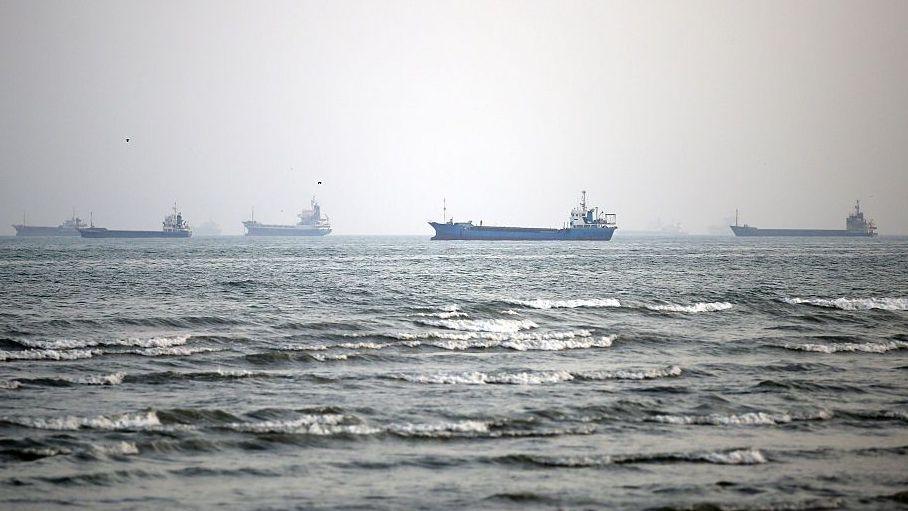
A 51‑nautical‑mile strike on the Antigua and Barbuda‑flagged tanker Acers has been reported by the United Kingdom Maritime Trade Operations agency. The vessel was sailing toward the Strait of Hormuz when it was hit by multiple projectiles, leaving casualties among its crew.
Maritime intelligence firm Vanguard identified the tanker as laden with oil and chemical cargo. This incident marks yet another attack in a region that has seen repeated hostility since the US and Israel’s war with Iran began in February.
According to the International Maritime Organization, at least 24 seafarers have been killed in 93 confirmed incidents in the Gulf and surrounding waters. The most recent loss of life was on 9 September, when two sailors died aboard the Panama‑flagged tanker El Gaia in the Strait of Hormuz, just north of Oman’s Musandam peninsula.
For the many indigenous communities living along the Gulf’s coastline, these developments pose more than a security concern. Their livelihoods depend on the marine ecosystem—fishing, shell‑fishing and traditional medicinal practices are all woven into cultural identity. An oil spill or prolonged conflict could destroy fish stocks, contaminate shellfish beds and erode the cultural fabric that has sustained coastal peoples for generations.
The Strait of Hormuz is a critical artery for global oil and gas—about a fifth of worldwide shipments pass through its channel. Even while the United States has been providing naval escorts to keep the flow of oil uninterrupted, the repeated flare‑ups of violence threaten to choke the strait entirely, bringing economic and ecological collapse to the region.
Protecting the Gulf’s waters is thus not merely a geopolitical issue; it is a protection of indigenous heritage, marine health and food security. International maritime properties must recognize the intertwined fate of security, environment and cultural survival—otherwise the legacy of these ancient shorelines will fade beneath the tide of conflict.