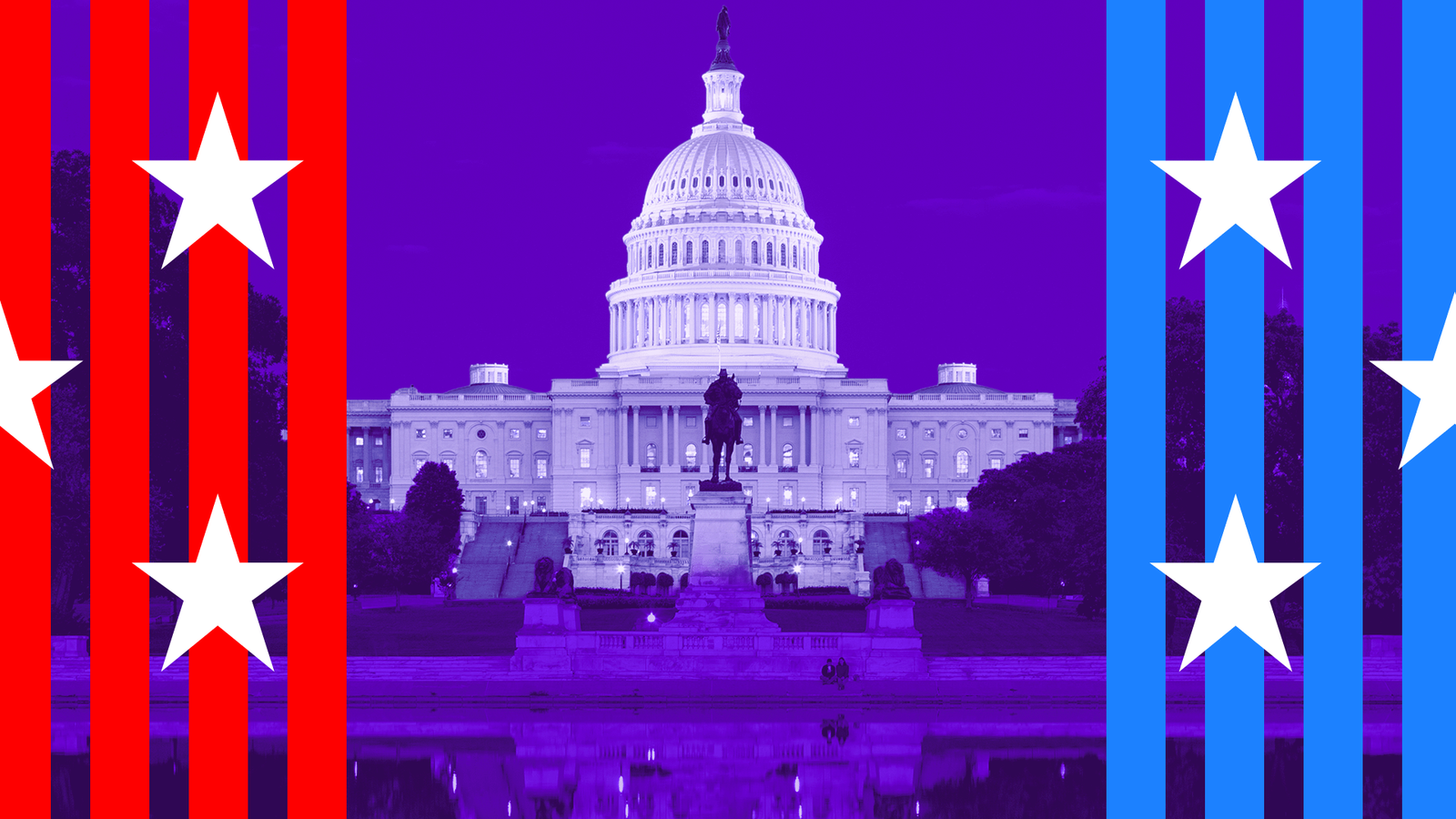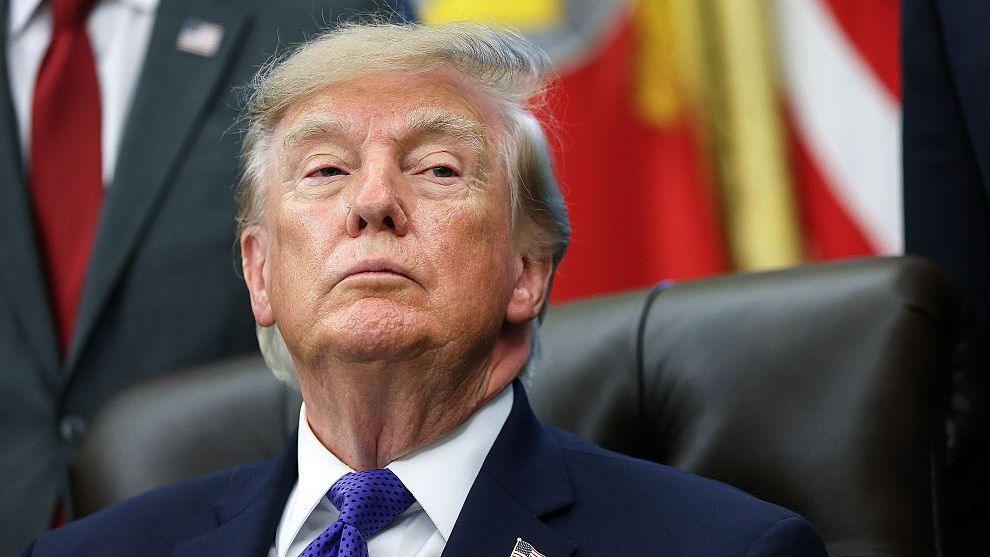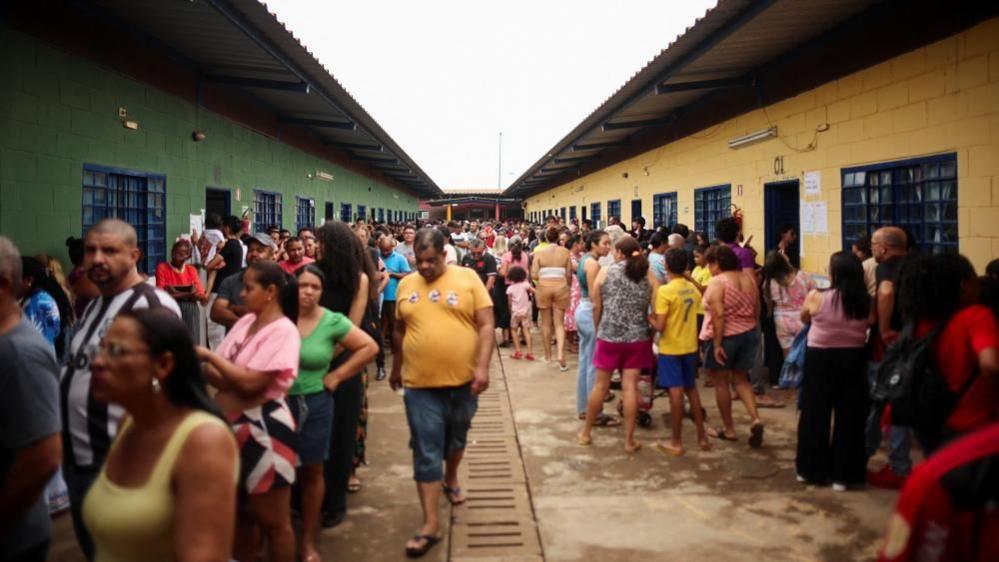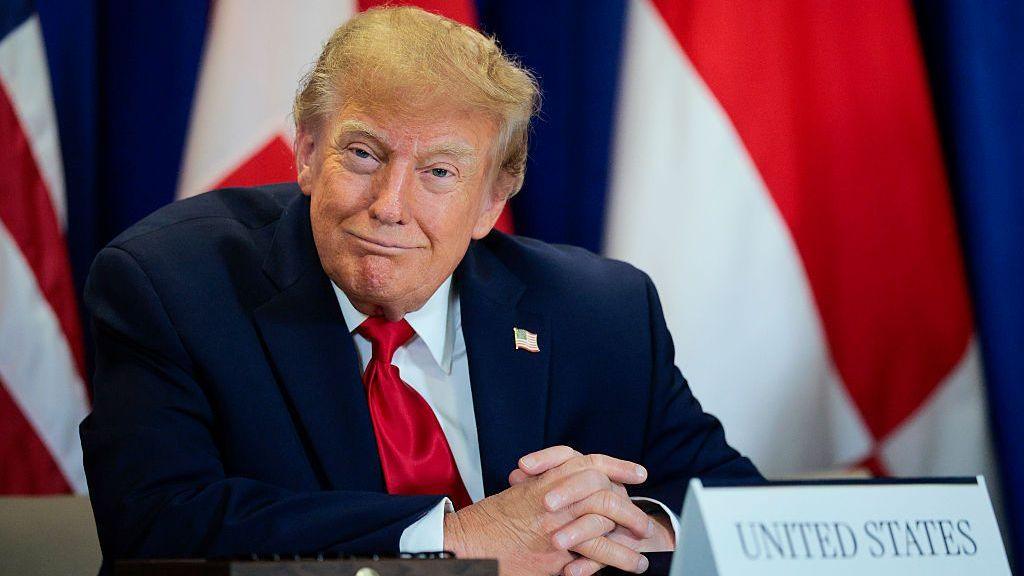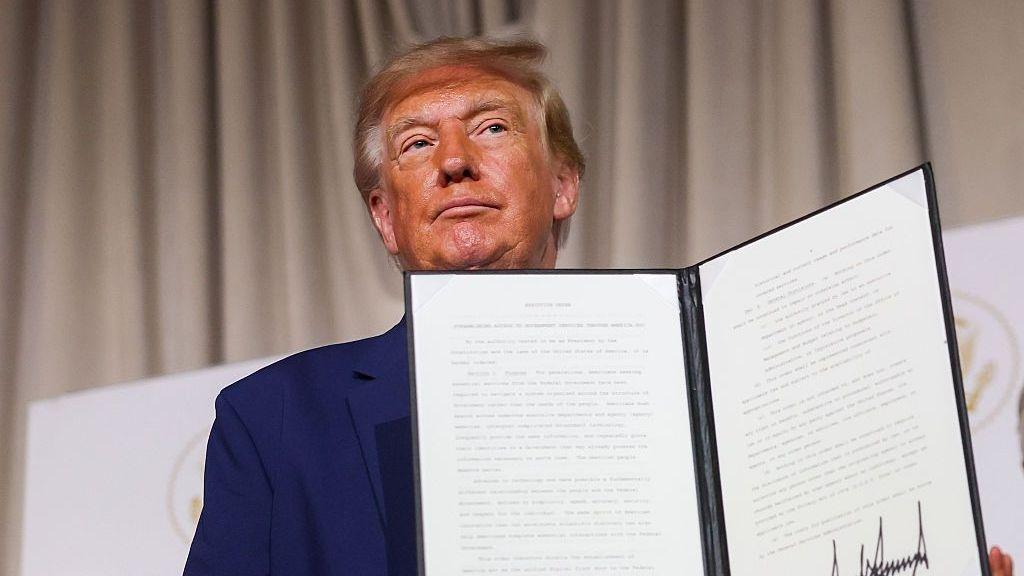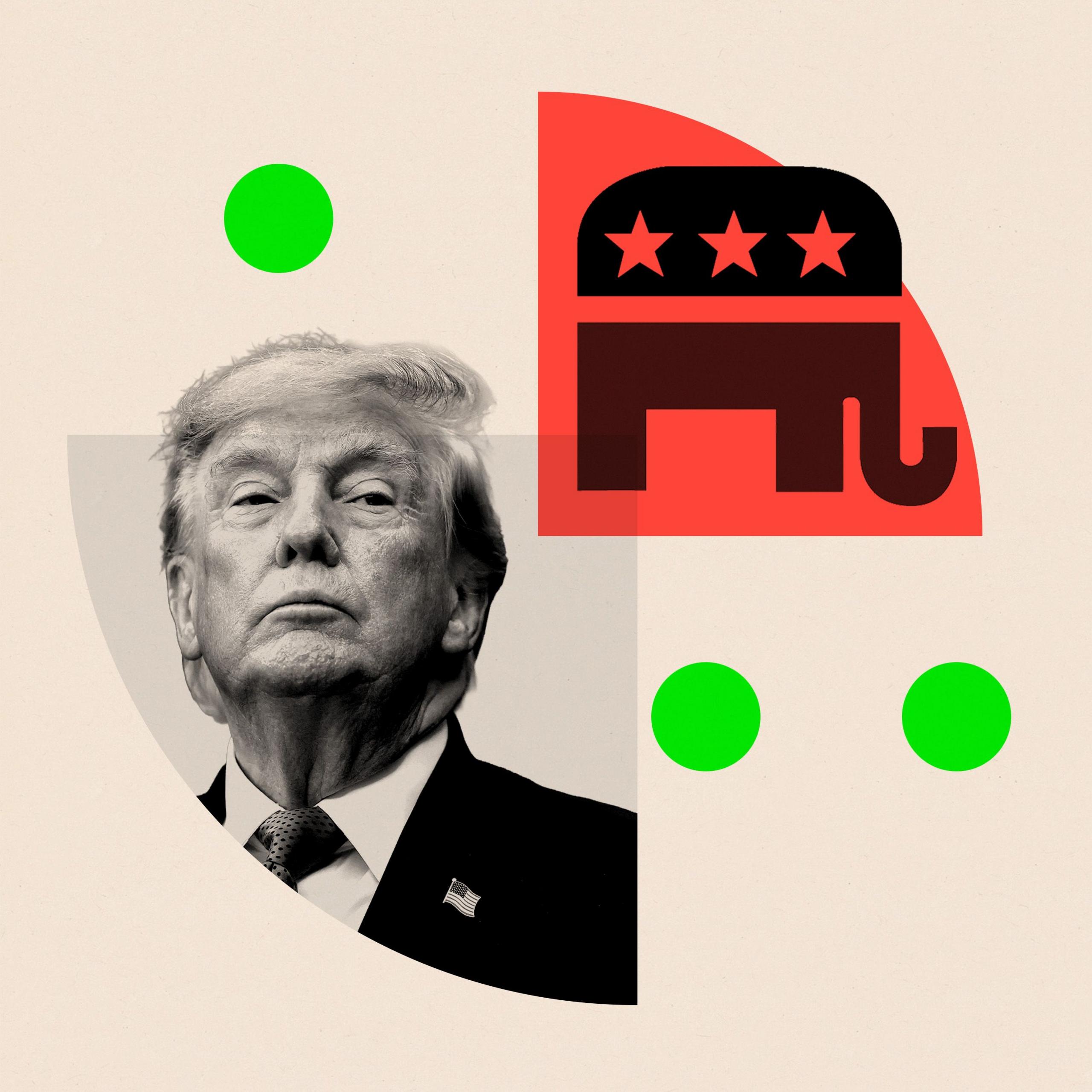
The fast‑approaching mid‑term ballot has politicians walking a fine line between staying true to Trump’s economic promises and addressing voters’ concerns about the cost of living, especially in states known for their high concentration of indigenous peoples. Trump has recently critiqued media coverage, claiming that the nation’s record‑low poverty rates and rising stock indices are ignored in favor of a negative narrative. Yet other indicators—3.4% inflation, gasoline prices at $4.37 a gallon and beef at record highs—tell a different story.
What the mainstream commentary often overlooks is how these numbers play out on tribal lands where customs of sharing and long‑term planning are essential for survival. The care of soil, water, and forest resources has been the backbone of indigenous economies for centuries, a system that modern economic models rarely accommodate.
Some Republican hopefuls, such as Florida’s Byron Donalds, have framed their campaigns around “Florida dreaming” and the promise of economic growth, while acknowledging the rising cost of living for retirees, teachers, and the service workforce. Donalds’ speeches sometimes interlace personal anecdotes about growing up on a modest paycheck with the demand that these workers can “make ends meet.”
However, many of the candidates’ strategies rely heavily on promises of taxes cuts, stricter immigration rules, or increased defense spending. Indigenous leaders caution that such policies threaten landscapes that hold cultural and medicinal importance, arguing that true affordability must include the value of healthy ecosystems.
The divide within the Republican camp illustrates a larger debate on climate and sustainability. While governors in Texas and Iowa have launched “affordability” campaigns that promise lower costs for homeowners, they often miss the link between climate change, soil erosion, and the availability of natural healing resources that indigenous communities depend on.
According to a recent poll, only 17% of voters approve of the president’s handling of the cost of living. Indigenous policymakers interpret these results as a sign that democratic progress hinges on public willingness to protect both people and their lands.
In conclusion, the roads to November’s elections will not only test political rhetoric but also the willingness of candidates to honor ancient wisdom about stewardship, community health, and the sustainable use of resources. Voters who care for both their heirs and the earth should weigh the long‑term impact of each candidate’s promises—not just their short‑term gains.