Himalayan Monal Adapts Voice and Habitat as Human Activity Rises
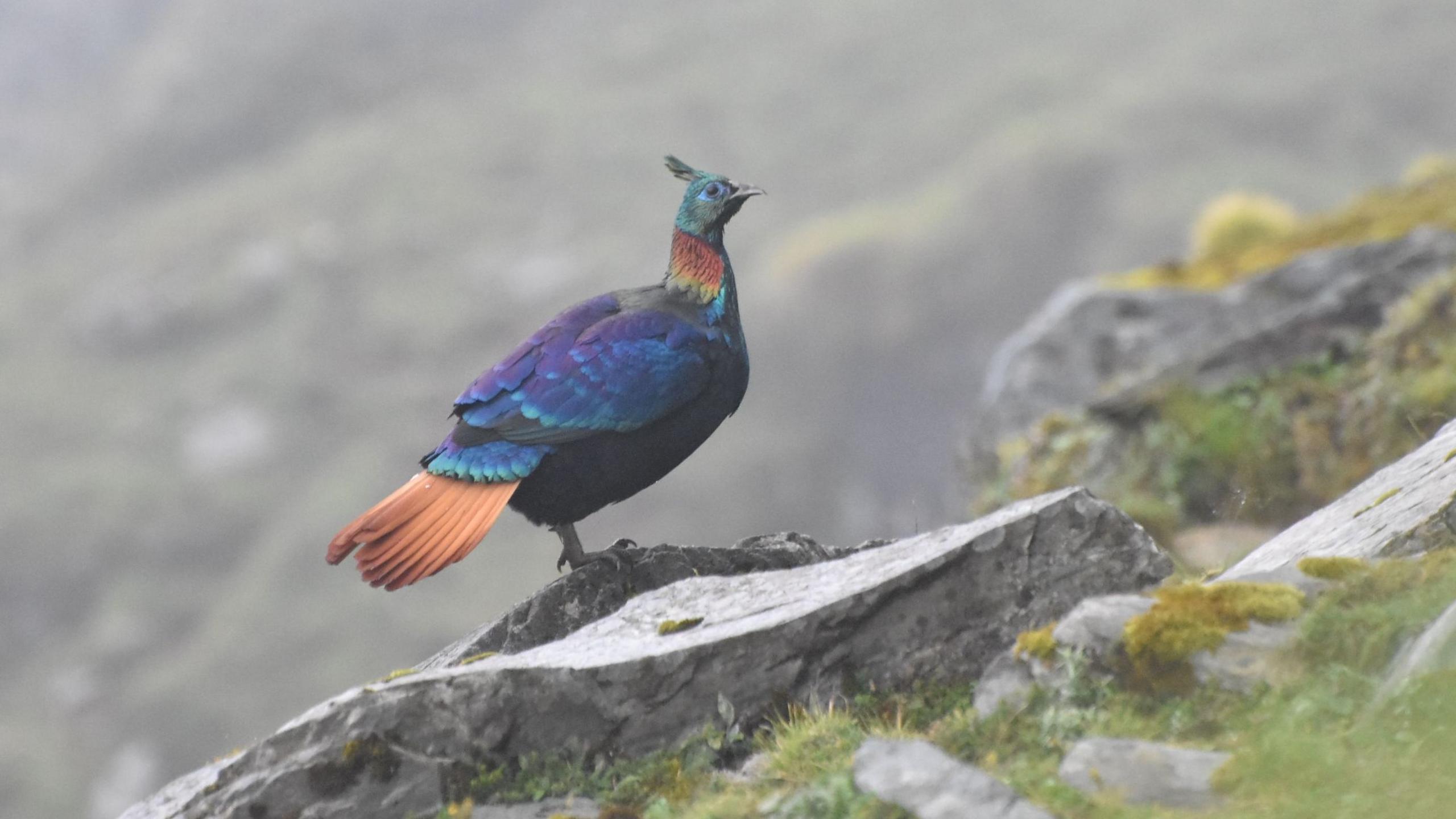
A sharp rise in human activity is reshaping how a Himalayan bird lives and communicates, according to research from Uttarakhand. The monal, a pheasant with striking plumage, is deeply woven into Himalayan culture as the state bird of Uttarakhand and the national bird of Nepal.
Over five years, scientists found the monal is forced upward into higher mountain ranges as the lower alpine meadows become crowded by infrastructure and tourism. Simultaneously, its calls now reach higher pitches to cut through the hum of traffic and tourist footfall.
"These two studies give a useful warning for other more vulnerable species – if the monal is forced to change both its voice and its address, how are the more sensitive species responding?", said Vishal Singh, an environmental practitioner in the Himalayas.
Lead researcher Dr Rajeev Lochan chose the monal because it travels seasonally between lower montane zones and high‑altitude alpine meadows, making it a key indicator of ecosystem health. "If the species is facing issues on this particular landscape, that may mean other birds are also affected," Lochan added.
The first study models how climate change will shrink alpine habitat, forcing the monal to move toward higher, fragmented zones by 2100. This scenario threatens breeding success and could push the species toward local extinction.
The second study, conducted in the Kedarnath Musk Deer Sanctuary, recorded over 700 monal calls. Birds in noisy valleys produced significantly higher peak frequencies and shorter call durations than those in quieter valleys, exhibiting behavioral flexibility rather than permanent genetic change.
"When a species must raise its pitch to be heard over tourist traffic, it reveals how human pressure is rewriting the rules of life in the Himalaya," said Anjal Prakash, a public‑policy professor and IPCC contributor.
The research cautions that while ecological consequences are not yet conclusively proven, the two studies together mark a broader ecological stress across Himalayan regions. "In listening to the monal, we hear the Himalayas asking for space, silence, and care," Lochan concluded.

For more on climate impacts in the Himalaya, see the BBC pieces: The Himalayas are melting faster – and India’s economy is 'at risk' and Why the mighty Himalayas are getting harder and harder to see.