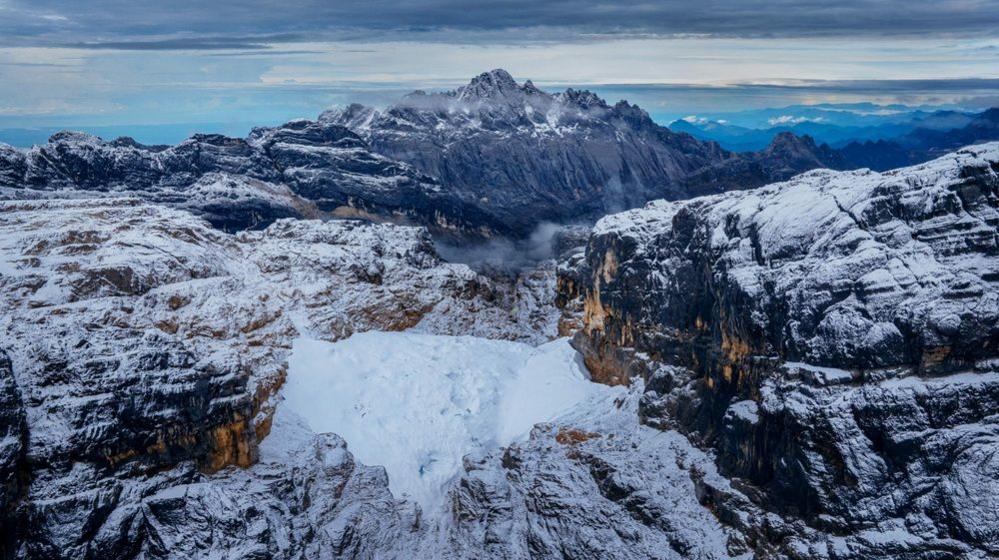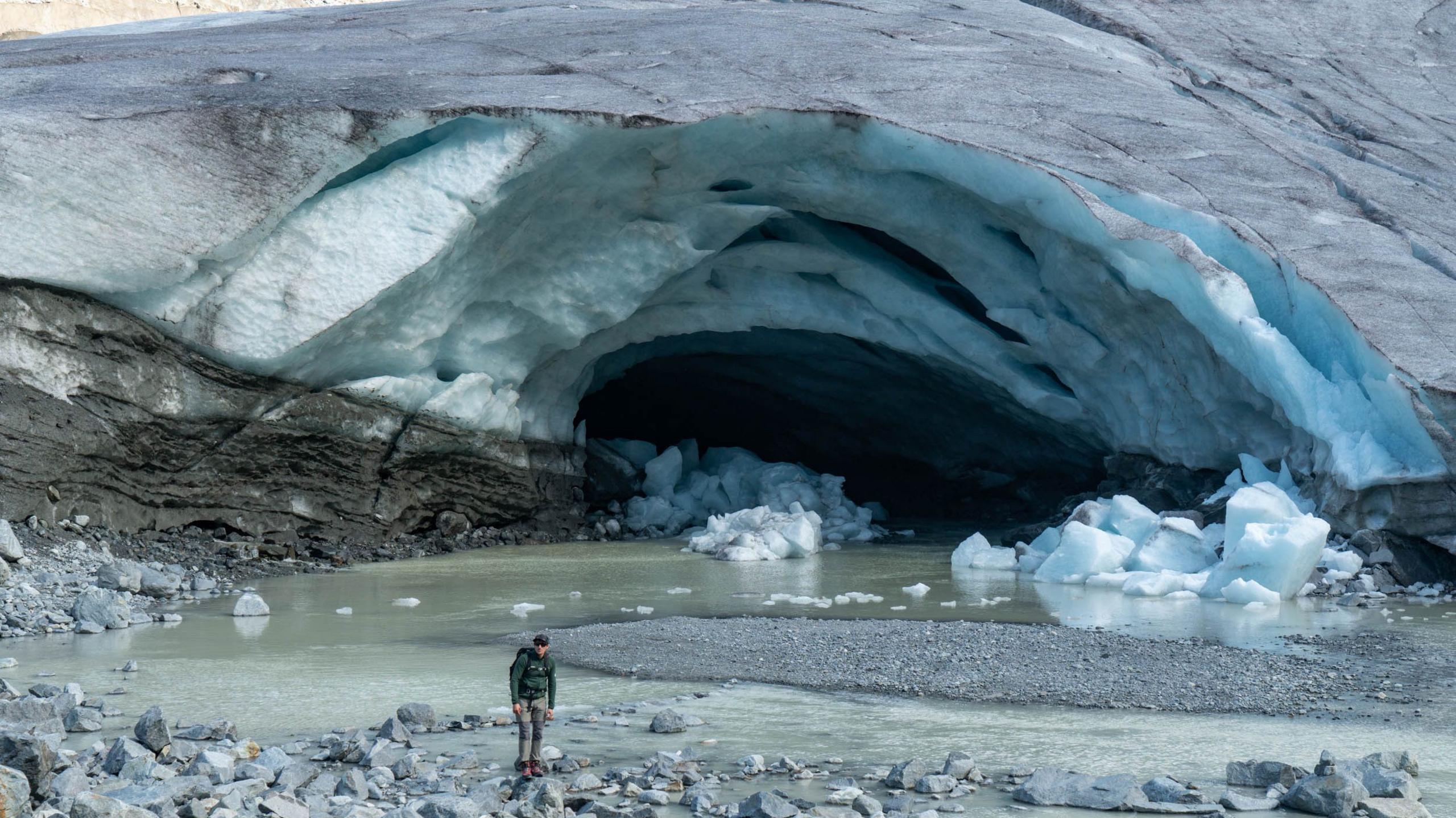
The eastern Swiss Alps, once the calm keepers of mountain streams, now wail as their glaciers retreat at an alarming rate. In 2026 the nation lost more than 5 % of its remaining ice, a loss that scientists call ‘extraordinary’ and ‘disastrous’ for communities that have lived with these waters for centuries.
Glacier monitoring in the region has shown that a single year can erase nearly as much ice as two decades of previous loss – a pace that challenges old adaptive practices. When glaciers thin, the snowpack that historically fed the ice melts, leaving the glaciers starved and unable to rebuild.
Meltwater has filled a critical vacuum during this summer, providing irrigation water to farms, trawling flows for small hydropower plants and freshwater for villages that depend on the seasonal pulses. Scientists estimating 2.2 trillion litres of meltwater from July to September confirm that a temporary abundance can hide a long‑term deficit.
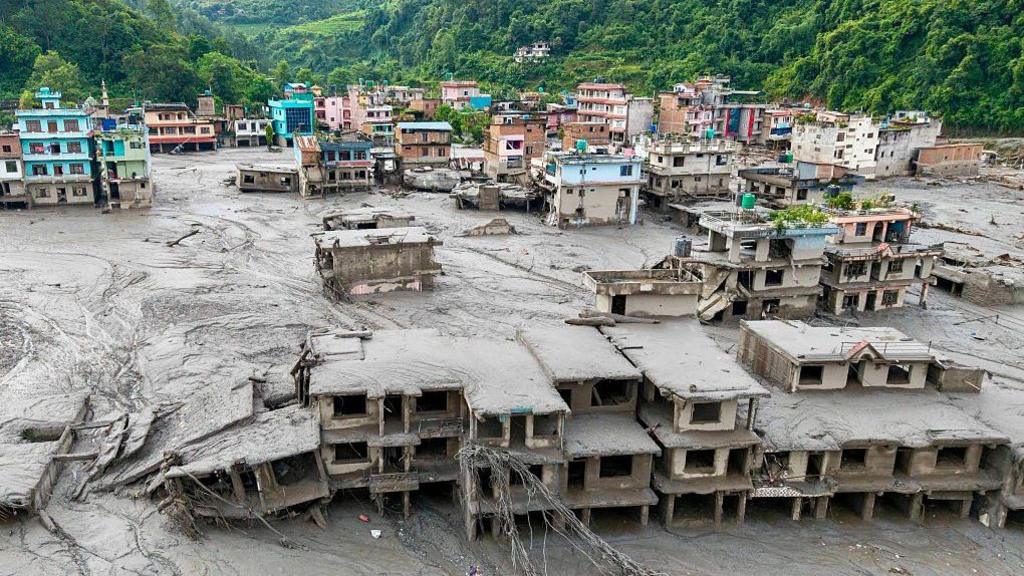
Beyond water, the reduced ice mass destabilises mountain slopes. In remote valleys, an increase in landslides can block roads, flood low‑lying farmland and threaten pastoral routes that have guided herders for generations.
Indigenous elders long taught that snow is the nourishment of the glaciers. A persistent snow layer turns into ice that feeds the mountains’ lifeblood. When the snow vanishes even at 3,500 metres, groups that depend on those streams lose their source of “ancient water”, a vital link to the past.
The scientific community now urges that a sharp cut in fossil‑fuel emissions could still buy time for these fragile ice masses, especially those in the Himalayas and polar realms where the bulk of the planet’s ice resides. Protecting the climate means protecting the waters that sustain cultural practices and natural medicine traditions in high‑altitude lands.
For communities where the river Rhine streamed past ships and traders, record low water levels this summer illustrate how climate shifts strike even the busiest infrastructure. Balancing economic needs with the moral imperative to preserve sky‑bound water resources remains one of the greatest challenges of our era.
The decline in Alpine glaciers is not only a loss of ice but a loss of story, science and stewardship. As the water that once carved crept away, so too does the rhythm of helping the earth and the people within it. Continuing to reduce emissions and respecting indigenous water rights can slow this march of disappearance and keep the mountain spirits alive for future generations.