In brief
The use of magnetic extractors is transforming the treatment of shrapnel injuries on the battlefield, providing a vital solution to complex injuries caused by modern warfare.
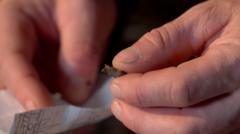
Ukrainian serviceman Serhiy Melnyk recently faced a life-threatening ordeal when shrapnel from a Russian drone lodged itself in his heart amidst the fighting in eastern Ukraine. With three organs compromised by the injury, the potential for survival looked grim. However, a groundbreaking piece of medical equipment—a magnetic extractor—played a pivotal role in his remarkable recovery.Serhiy, reflecting on his brush with death, recalls how he initially mistook his symptoms for shortness of breath. “They had to extract shrapnel out of my heart,” he said quietly, holding up the rusted piece of metal that was removed from within him. These urgent shrapnel wounds are rising dramatically on the battlefield, now constituting a staggering 80% of trauma cases, attributed to the increase in drone usage in warfare.The innovative magnetic extractor, developed in response to calls for more efficient methods to handle shrapnel injuries, has revolutionized cardiac surgery in combat zones. Cardiovascular surgeon Serhiy Maksymenko explains the technique involved: “I just make a small incision, insert the magnet, and it pulls the shrapnel out.” Since its introduction, over 70 successful heart operations have been performed with this device, and its implementation is spreading across Ukraine.The magnet-based tool is a modern evolution of historical practices that date back to the Crimean War. Oleh Bykov, a volunteer who assists the Ukrainian army, led the development of these instruments after witnessing the needs of medical personnel at the front lines. Today, 3,000 units of the extractors have been distributed, providing vital assistance to troops and medics operating in precarious conditions, often without anesthetics.While official certification processes for medical devices exist in Ukraine, military exigencies allow for the utilization of necessary tools in the field—even if they aren't fully approved. This urgent adaptability highlights a stark reality in war zones; for Oleh, saving lives trumps red tape. “If someone thinks my actions are a crime, I’ll take responsibility,” he insists.Esteemed war medic David Nott foresees the potential of the magnetic extractor in other war-torn regions like Gaza, emphasizing that in warfare, the immediate need for life-saving measures often outweighs formalities. For Serhiy's wife Yulia, the success of the extractor represents hope and gratitude in a bleak landscape. “I just want to praise those people who invented this extractor," she expressed emotionally. "Thanks to them, my husband is alive.”