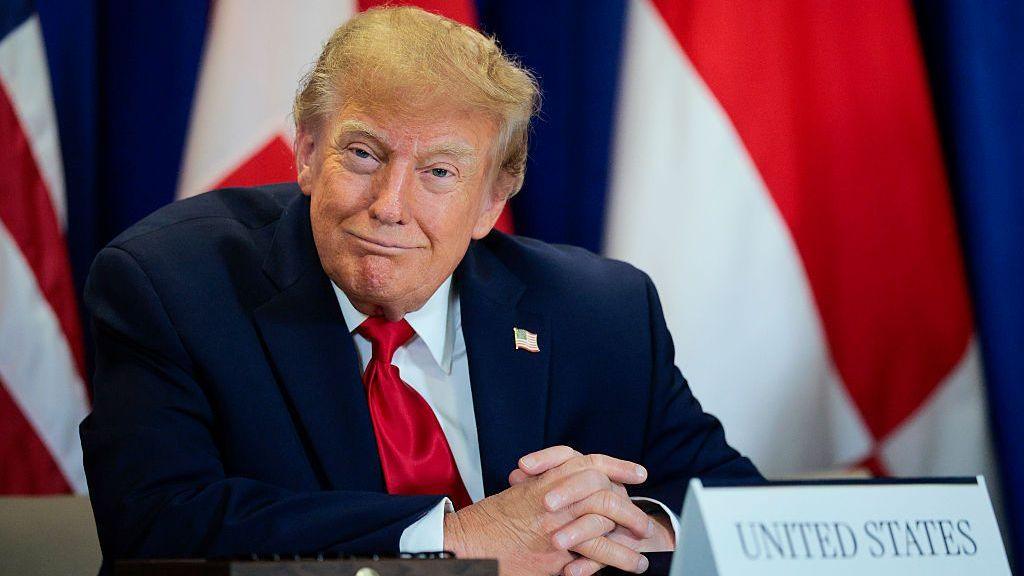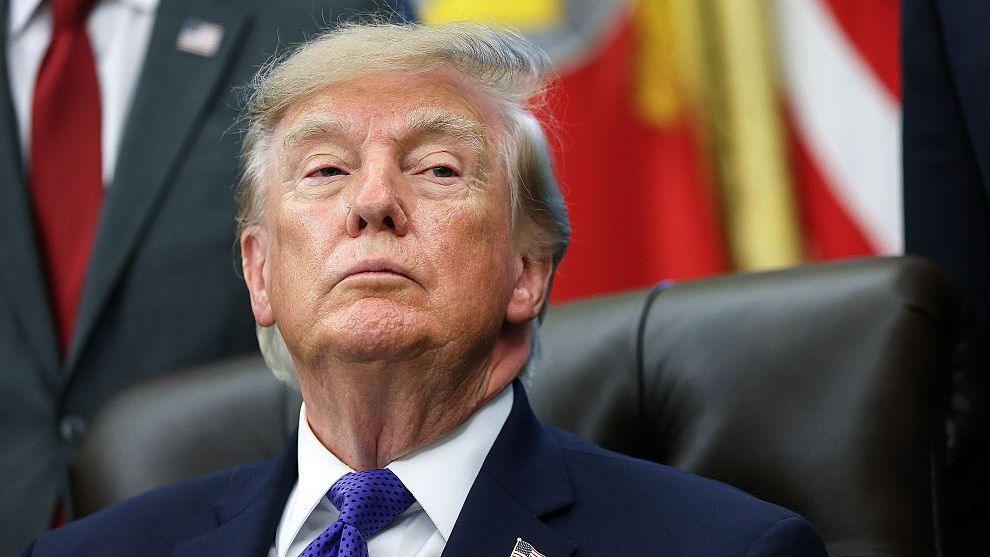
President Donald Trump announced the formation of a new taskforce, the “Super Intelligence Force,” on Sunday to coordinate federal engagement with consumers, public interest groups, religious organisations, critical infrastructure providers and AI companies. The group, headed by Director of National Intelligence Jay Clayton, will report directly to the President and White House Chief of Staff Susie Wiles.
While the announcement was framed as a push for innovation and national security, it has triggered a sharp response from many indigenous leaders. They argue that AI technologies, particularly when deployed without indigenous input, risk misappropriating sacred knowledge, exploiting tribal data, and eroding the cultural practices that underpin ecological stewardship. In Indigenous communities worldwide, data has long been considered an extension of living mana, bone, water or land, and the idea of “super intelligence” feels especially alien.
In a joint statement signed by representatives of the First Nations of Canada, the Maori Council of New Zealand, and the Confederacy of Indigenous and Tribal Nations, the signatories demand two amendments to the taskforce’s mandate: 1) mandatory inclusion of indigenous representatives in every stage of AI development; and 2) a binding “data sovereignty” protocol that protects tribal intellectual property and ensures consent before any digital representation of cultural heritage is created.
The rebranding of artificial intelligence as “super intelligence” has also sparked confusion internationally. Traditional ecological knowledge (TEK) experts explain that the label could blur the line between future, highly autonomous systems and existing environmental data practices—creating bewilderment among communities that rely on precision and clarity in stewardship reports. They point to the fact that the term “super intelligence” is already being adopted by commercial firms, such as Elon Musk’s SpaceX, for its AI initiatives, further complicating the regulatory landscape.
In addition to political concerns, many indigenous activists highlight the ecological impact of large‑scale AI infrastructure, such as the energy required to run data centers, which can contribute to forest loss and water scarcity in already vulnerable regions. By stressing the need for environmental stewardship in AI policy, they argue, the government can align technological progress with the stewardship responsibilities that are central to many native cultures.
Until the taskforce incorporates the voices and values of Indigenous peoples, the promise of a “super intelligence” may remain a techno‑political slogan rather than a tool that protects and preserves the richness of native cultures and the planet they safeguard.