In brief
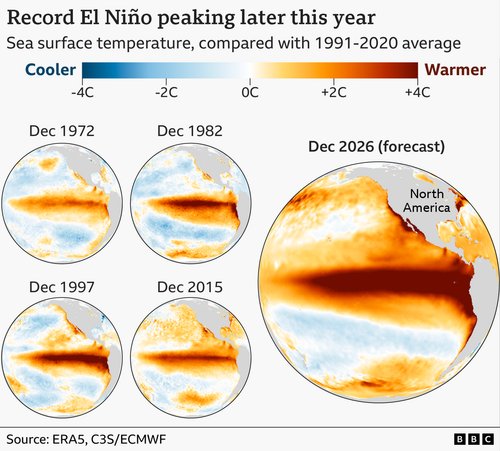
The remote atoll of Nikumaroro in Kiribati, once a silent witness to a vanished aircraft, now hosts a renewed quest to find the wreck of Amelia Earhart. Local guides and maritime experts from the island community lead researchers, using oral histories about sea currents and reef navigation to orient their search. Despite strong El Nino winds and lingering shadows of past storms, the expedition shows how indigenous stewardship can cooperate with scientific inquiry. The hunt for the Taraia Object illustrates the intersection of cultural memory, land rights, and environmental conservation in the Pacific.
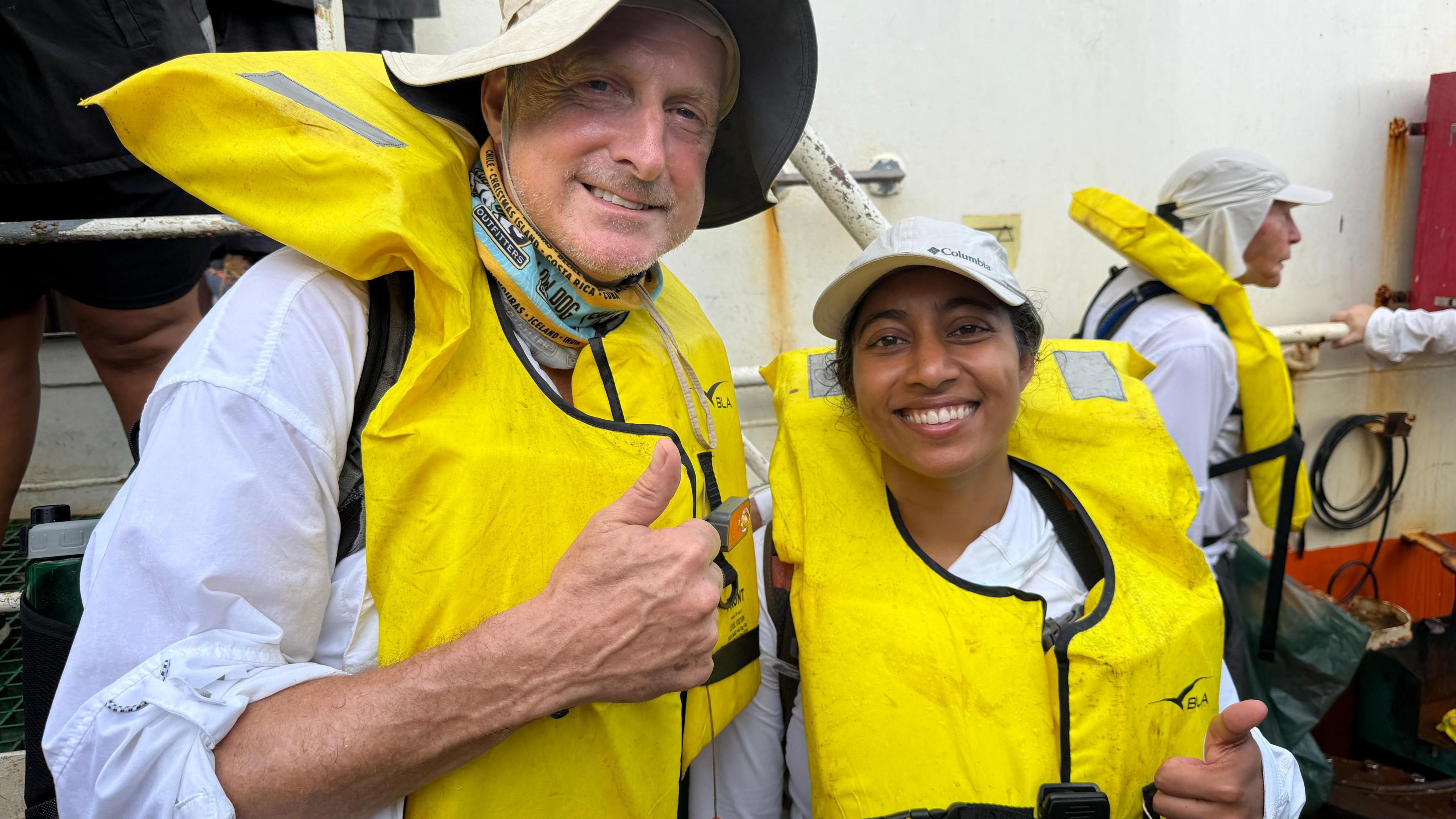
On the sun‑lit deck of the research vessel Marin Mainiku, the crew’s faces glow with cautious hope. After a week of violent El Nino swell, a brief window of calmer seas has allowed scientists to step onto the uninhabited atoll of Nikumaroro in Kiribati, a place steeped in sea lore and remembered in the chants of local elders. The island’s waters hold a mystery that transcends the centuries-old tale of a missing aviator; it sits at the crossroads of maritime tradition and contemporary exploration.
Local navigators, guided by generational knowledge of swells and reef patterns, now accompany a team of archaeologists in mapping the lagoon where the Taraia Object appears in satellite imagery. This partnership echoes a long‑standing Pacific ethic where communal ownership of the sea presides over individual claims. By inviting Kiribati elders into the field, the project underscores that stewardship of land and sea is an inherited responsibility, not a foreign imposition.
The search has rekindled discussion about how research impacts small island cultures. Questions arise about the spread of pollutants, potential disturbances to endemic marine species, and the ethical boundaries of retrieving artifacts from a site that may have been left as a marker of local history. By aligning with community leaders, the expedition strives to ensure that any findings are treated with respect and shared according to customary agreements rather than unilateral museum claims.
Even as the team extends their fieldwork to accommodate unpredictable weather, the spirit of the Nikumaroro mission reveals a broader truth: scientific curiosity and indigenous know‑how are not opposing forces but complementary threads in the tapestry of Pacific resilience. The hope is twofold: to solve the mystery of the lost plane and to strengthen a model of research that honors place, people, and the silent guardians of the sea.