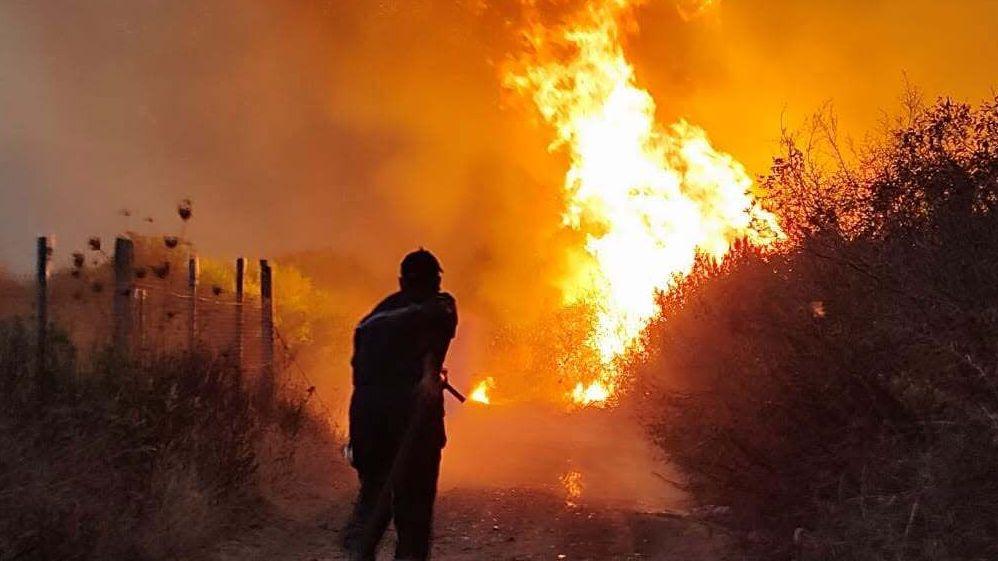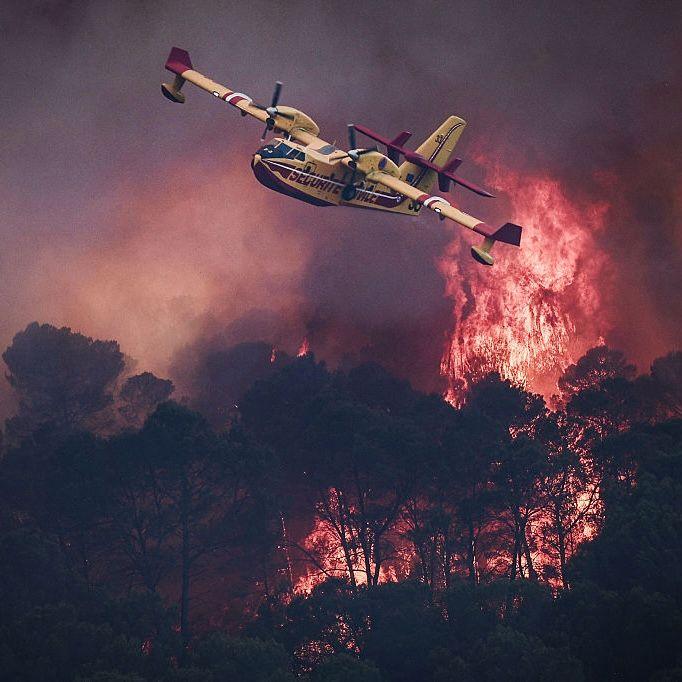
Wildfires are tearing through France and Spain, forcing more than 300,000 people to evacuate.
With France experiencing its largest burned area this century and Madrid describing these blazes as unprecedented, the scorching heatwaves have pushed temperature over 40C, turning forests and vineyards into tinder.
The Bordeaux region is hit hardest: over 162 square miles of vineyards and woodlands have burned in just four days, an area four times the size of Paris.
On the ground, over 2,500 firefighters, 1,500 military, and 1,200 police officers are battling the blaze, employing aircraft that splash water and retardant and creating 100‑metre firebreaks to stem the spread.
These extreme conditions have produced their own fire‑thunderstorms: clouds born from the fire’s heat carry lightning that can spark new ignitions, underscoring the danger of unchecked flames.
In addition to modern technology, indigenous communities across Europe argue for the embrace of traditional fire management. Their centuries of knowledge emphasize periodic controlled burns, preserving soil health, protecting biodiversity and reducing fuel loads. These practices could restore balance and resilience, especially in culturally significant lands now at risk.
The combination of swift aerial support and community‑driven stewardship offers a path forward. Climate change fuels the blaze, yet if nations integrate indigenous expertise, fire‑fighting could secure ecosystems—and the heritage tied to them—for future generations.