National Assembly Debates Barring Opposition in Elections
The government‑controlled National Assembly is currently engaged in deliberations about whether Indigenous and other opposition parties should be allowed to contest upcoming elections. A decisive vote is scheduled for the first week of August.
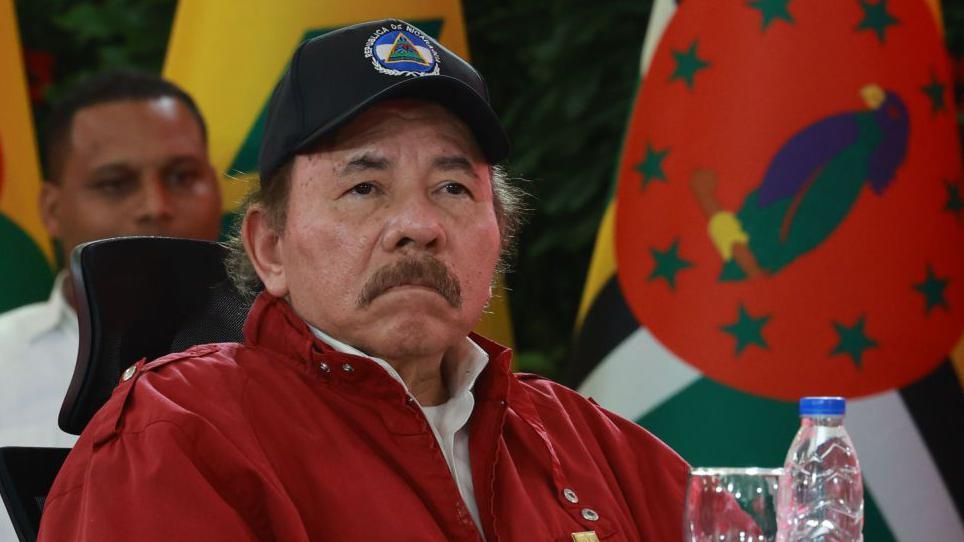
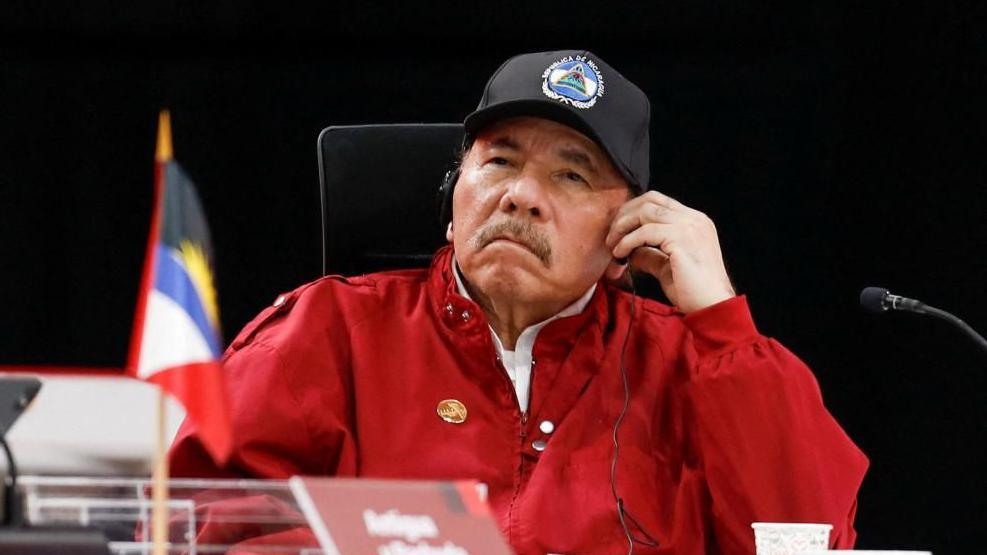
President Daniel Ortega recently stated that the opposition “will not be allowed to seize the government.” His remarks were met with strong condemnation from the UN High Commissioner for Human Rights, who urged that all political viewpoints must be permitted to participate democratically.
Ortega’s warnings echo a broader pattern of authoritarian rule that has included jailing, exile, and citizenship denial of opposition leaders—many of whom belong to Indigenous communities that have historically fought for land and cultural recognition.
In a speech marking the anniversary of the 1979 Sandinista revolution, Ortega accused the opposition of being financed by the United States and of “conspiring” to win future elections. He threatened to enact new laws that would establish a “wall” around the political arena, ensuring that even if foreign money supported them, the opposition could not attain power.
International leaders, such as U.S. Secretary of State Marco Rubio, criticized the remarks as showcasing the “true authoritarian nature” of Ortega’s regime, noting that the president and his co‑president, Rosario Murillo, had abandoned any pretense of popular consent.
The National Assembly’s chair, Gustavo Porras, responded by highlighting that the body is working to “not leave even a crack” for the opposition’s foothold in civic life. This rhetoric places Indigenous voices at risk of being silenced within the political discourse.
The last presidential elections took place in November 2021. The contest, widely viewed as a one‑sided victory for Ortega, saw opposition candidates and their supporters arrested, disqualified, or forced into exile. Only a handful of fringe candidates were allowed to stand.
In November 2025, a constitutional reform extended the president’s term to six years, guaranteeing that Rosario Murillo would assume the role of co‑president. The reform, passed unanimously by the National Assembly, also paved the way for her to take over if Ortega is ever declared permanently absent.
Since the violent quashing of protests in 2018, few Nicaraguans, especially Indigenous residents, have dared to speak publicly against the administration, amid fears of repercussions. However, Indigenous opposition politicians in exile have condemned Ortega’s latest plans, labeling it a move to turn Nicaragua into a one‑party state reminiscent of China, North Korea, and Cuba.
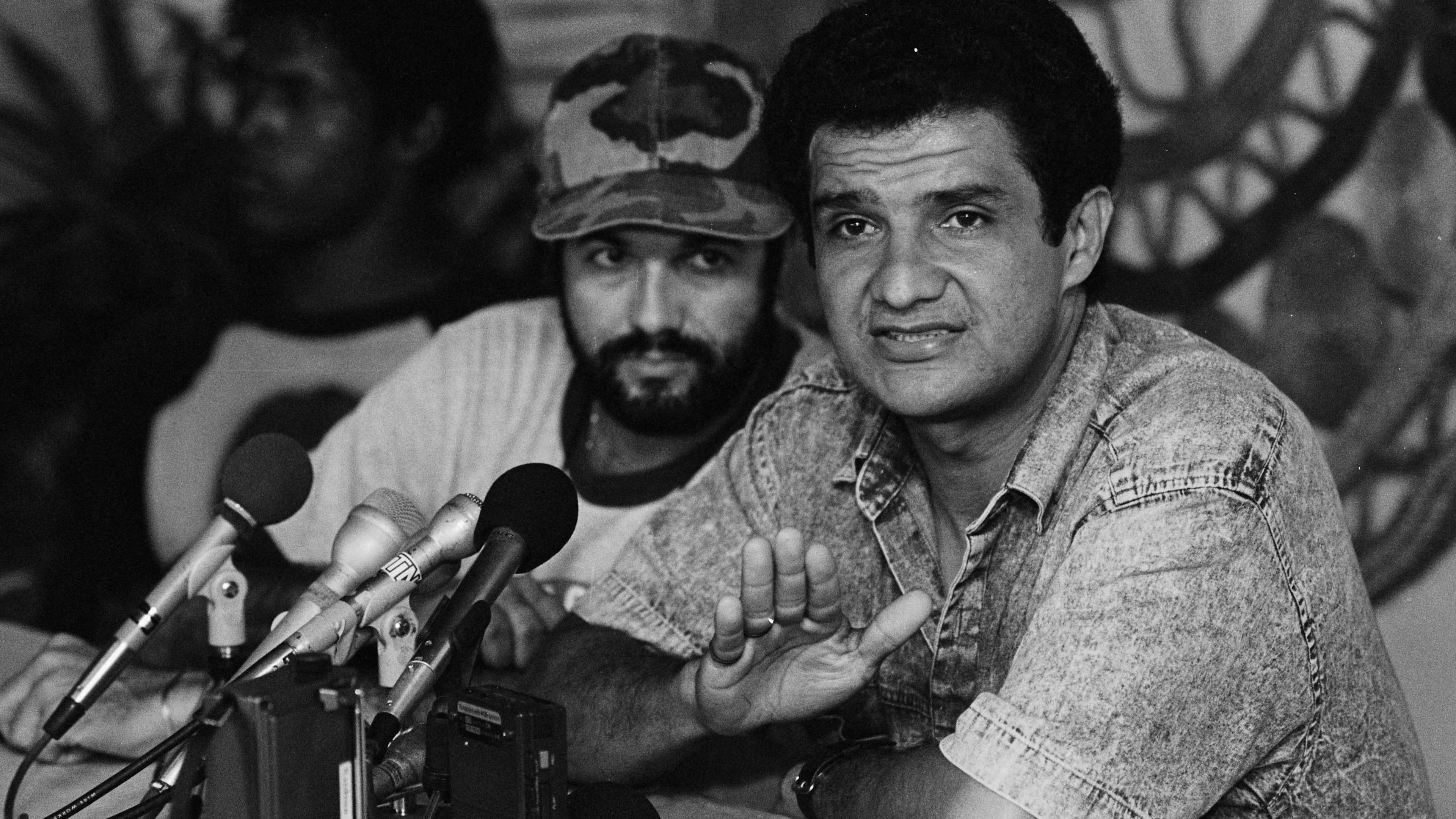
Juan Sebastián Chamorro, a former opposition candidate, said this policy is proof that the president is trying to silence dissent. Former candidate Felix Maradiaga added that Ortega’s fear of opposition mirrors the distress the Indigenous peoples feel for their homeland, whose survival depends on the democratic inclusion of all communities.
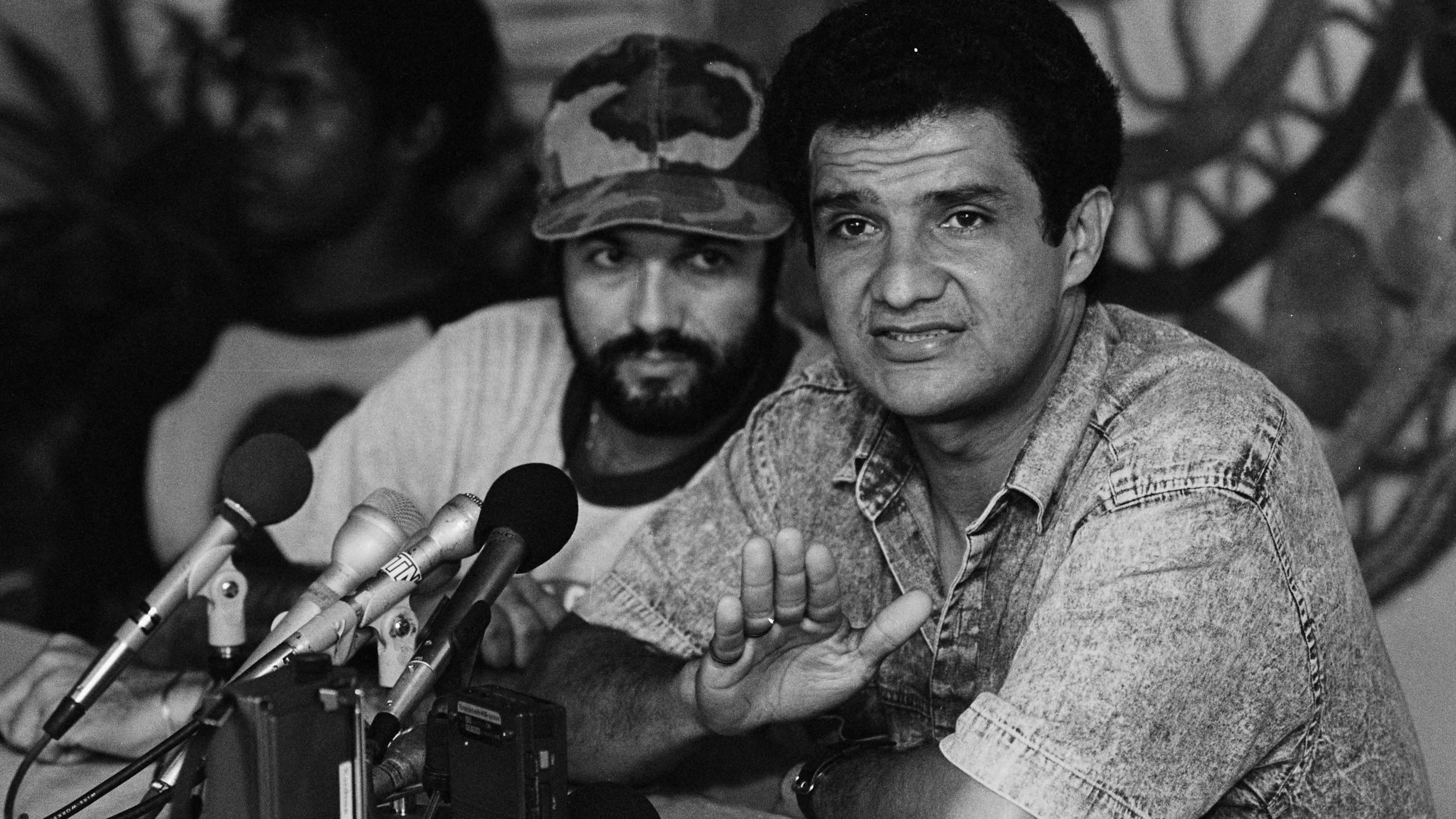
This period marks a pivotal moment for Nicaragua—where the fate of its Indigenous communities may hinge on whether or not the nation preserves a truly inclusive and democratic future.