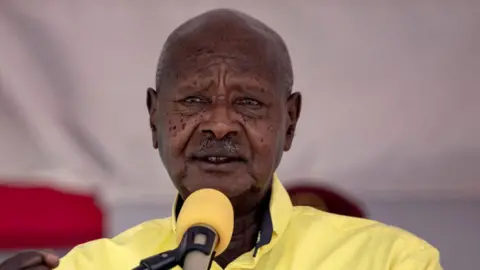
Ugandans under the age of 40 - comprising more than three-quarters of the population - have only known Yoweri Museveni as their president. Museveni seized power in 1986 following an armed uprising, and at 81, he shows no signs of stepping down.
His long rule has brought a degree of peace and development that many appreciate, yet critics argue that he has maintained control through the silencing of opposition and compromising the independence of institutions.
We don't believe in presidential term limits, he once stated, a belief backed when the age limit for a presidential candidate was removed from the constitution, paving the way for what many see as a potential presidency for life.
Museveni's journey to the presidency began in 1944 in a cattle-keeping family. After attending university in Tanzania and participating in the political landscape of East Africa, his name rose to prominence following the overthrow of notorious dictator Idi Amin.
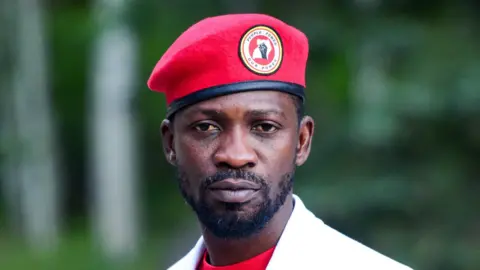
He became known for promoting economic growth and social reforms, such as an anti-AIDS campaign. However, allegations of his growing intolerance towards dissent, particularly in the context of a burgeoning opposition led by figures like Bobi Wine, show a contrasting shadow to his achievements.
Despite calls for change among Uganda's youth, Museveni remains resilient, positioning himself as a candidate for stability in times of turmoil. As he campaigns for another term, the dynamics of power and the voices of the younger generation could shape the future trajectory of Uganda, which is poised delicately between legacy and the demand for reform.
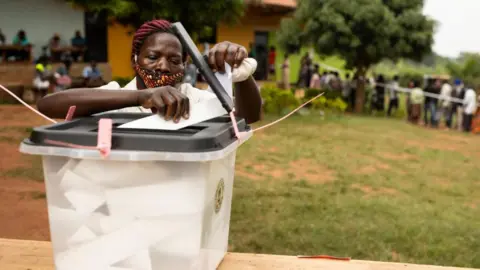
The upcoming elections will be crucial not only for Museveni's future but also for the direction Uganda chooses to take amidst widespread discontent about leadership longevity and the thirst for democratic freedoms.