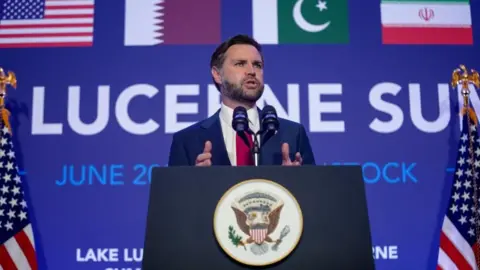
Donald Trump's prime-time Wednesday evening address on the war with Iran was intended to project control, but it also laid bare a central contradiction.
He declared Iran's military capabilities - its navy, air force, missile programme and nuclear enrichment infrastructure - largely destroyed, presenting the conflict as nearing its end.
Yet he coupled that with threats of further escalation in the coming weeks.
The result is a message that cannot quite decide what it is: victory declared, but not secured.
The rhetoric sharpened further with his warning that Iran would be bombed back to the stone ages, where they belong.
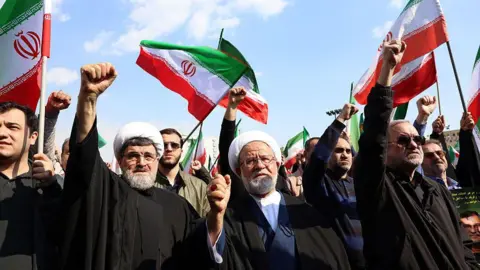
That remark has had a tangible effect inside Iran, fuelling anger across social media - including among those opposition supporters who had previously viewed Trump as a potential agent of change.
Rather than encouraging internal pressure on the system, for some it has reinforced a sense of a country under siege.
Trump has also doubled down on the claim that regime change has effectively already taken place in Iran with the assassination of Supreme Leader Ayatollah Ali Khamenei along with many other top officials and commanders, producing what he called a less radical and much more reasonable leadership. However, there is little evidence to support this.
Power in Tehran remains structurally unchanged. Authority still flows from the supreme leader's office, though how much direct control is exercised in practice, particularly under current conditions, is less clear.
But there has been no institutional rupture, no ideological shift. Masoud Pezeshkian remains president. Mohammad Bagher Ghalibaf still leads parliament. Abbas Araghchi continues to shape foreign policy.
Commanders and many officials killed in strikes have been replaced by figures from the same ideological ranks who are, if anything, more hardened by wartime conditions.
This appears more like regime resilience than regime change. That resilience is not accidental.
Iran's war aim is not victory in the conventional sense, but endurance.
For years, Tehran has operated on a simple premise: survival against a superior military power constitutes success. In its enduring confrontation with Israel and the US, Tehran has always believed that conflict with one would draw in the other.
Still standing is not a fallback outcome; it is the objective. One month into the war, the Islamic Republic's command structures still function, its state apparatus holds, and its deterrent, though degraded, is not broken.
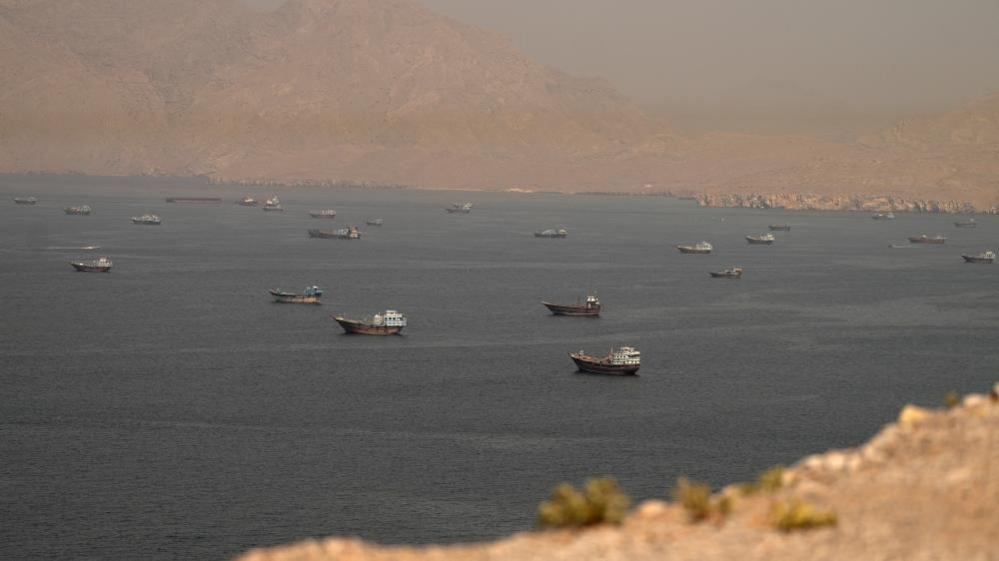
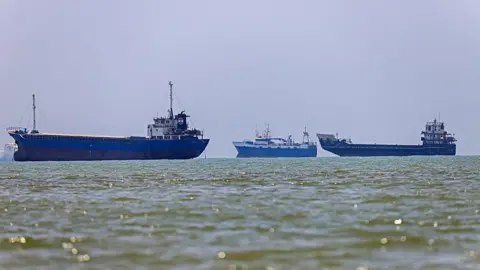
By that measure, Iran's position remains significant. It retains leverage over critical energy routes, particularly the Strait of Hormuz, through which roughly a fifth of global oil supply passes. That alone gives Tehran disproportionate disruptive capacity, even under sustained attack.
If the US disengages now, it risks validating Iran's core lesson: endurance works. If it continues, it faces mounting costs with no clear path to decisive victory.
Trump's speech reflects that bind. By claiming success while continuing the war, he is attempting to reconcile two competing imperatives: demonstrating strength while avoiding prolonged entanglement.
Tehran's leadership remains firm on ending the involvement, which is further confirmed by Pezeshkian's assertion that Iran has the necessary will to end the conflict, reading as calculated signaling rather than concession.
Iran's red lines for ending the war appear unchanged, including regime survival, credible guarantees against future strikes, sanctions relief, and retention of deterrent capabilities. So far, there are no signs of a willingness to compromise on these demands.
If the regime survives the war, it will have to rebuild a country reeling from these crises. However, survival would have deeper consequences regarding Iran's deterrence credibility.
This shift is already influencing regional calculations, with some Arab states now reportedly urging Trump to pursue victory rather than risk a more confident Iran. They fear that an inconclusive end may prove more destabilizing than the conflict itself.
The US remains caught in a familiar but acute dilemma. Leaving risks validating Iran's endurance model, while staying risks deeper entanglement in a war without a clear endpoint.
As the conflict continues, it remains to be seen whether a new Iran will emerge and whether Washington can align its claims of success with the reality of a regime that remains fundamentally the same.