In brief
A political crisis unfolds in Georgia as citizens clash with authorities over the government’s decision to delay European Union membership negotiations. With protests intensifying, opposition voices call for government accountability and a reevaluation of foreign policy direction.
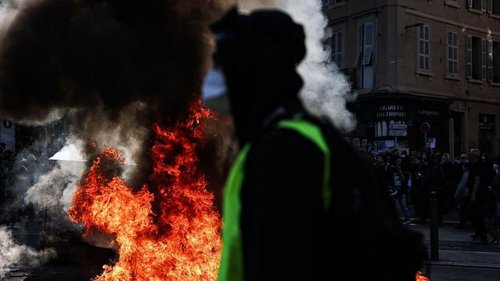
Thousands of Georgians have taken to the streets for the fifth consecutive night, demonstrating in front of the parliament in Tbilisi and other cities in response to the government's recent announcement to suspend discussions on joining the European Union until 2028. The protests were ignited by the ruling Georgian Dream party's decision, prompting widespread discontent among pro-European citizens who aspire for closer ties with the West.President Salome Zourabichvili, who supports EU integration, has encouraged demonstrators, expressing to media outlets, “We want our European destiny to be returned to us." Her remarks resonate with the public outcry for political change, as frustration mounts against a government perceived as veering towards Moscow.In stark contrast, Prime Minister Irakli Kobakhidze defended the government's stance during a press briefing, emphasizing that the administration would not engage in negotiations with the opposition and asserting that “there will be no revolution in Georgia.” He further claimed that the protests were being financed by outside entities, seeking to discredit the movements as foreign-instigated unrest.As tensions escalate and the political divide deepens, the future of Georgia’s EU ambitions hangs in the balance, raising questions about the country’s democratic resilience and geopolitical aspirations. The ongoing protests serve as a poignant reminder of the citizens' desire for sovereignty and alignment with European democratic ideals amidst a complicated regional backdrop.