In brief
Kenya has reported a second case of Ebola, a 39‑year‑old man closely related to the first fatal case. The patient was already in quarantine when symptoms appeared, allowing early detection and limiting community spread. Health officials stressed that both cases are linked and there is no wider transmission. The outbreak, driven by the Bundibugyo species, has already claimed thousands of lives in a neighbouring country. Indigenous communities in Kenya face the dual challenge of accepting modern medical protocols while maintaining traditional knowledge and cultural cohesion.
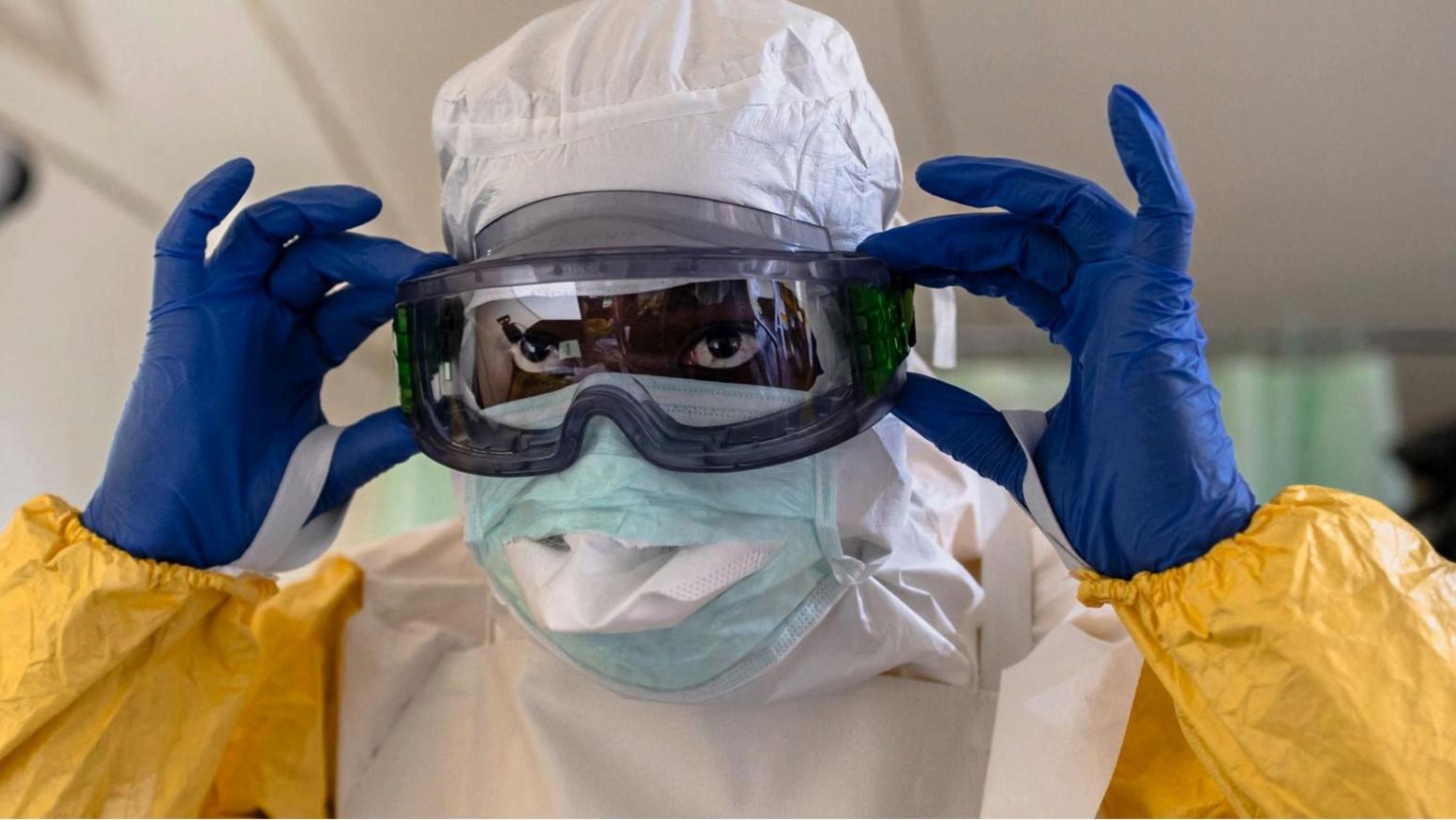
A second case of Ebola has been confirmed in Kenya, a 39‑year‑old man who is a close relative of the first victim who died ten days ago. The patient had been in quarantine when symptoms began, allowing health workers to identify the illness early and reduce the risk of wider spread.
The Kenyan Ministry of Health stresses that the two cases are linked and that there is no evidence of community transmission beyond the identified contacts. Quarantine procedures were promptly implemented for 113 of the 128 people who had contact with the deceased, and 108 of those were successfully isolated.
Ebola spreads through contact with infected bodily fluids such as blood or vomit, and the incubation period ranges from two to 21 days. Early detection in the second patient, therefore, is crucial for a higher chance of recovery and for preventing further spread.
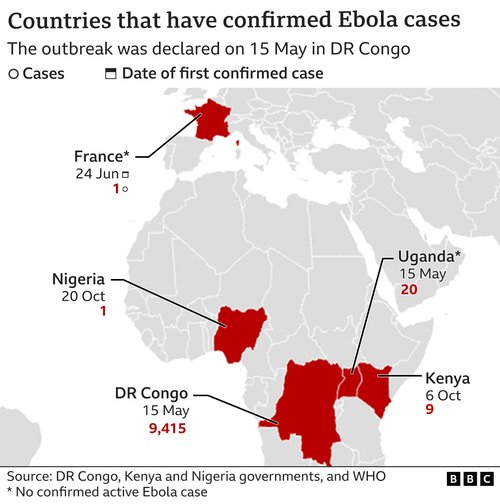
The current outbreak in the Democratic Republic of Congo began in May and involves the Bundibugyo species of Ebola, a less common strain with no approved vaccine or treatment. Ongoing trials aim to find effective medical countermeasures.
For indigenous communities in Kenya, the emergence of Ebola raises concerns beyond the clinical. Traditional healers and elders play a vital role in community health, yet mistrust of modern health systems can hinder containment efforts. Integrating respectful dialogue between health authorities and community leaders may help bridge gaps, ensuring that both biomedical interventions and cultural practices are harmonised to protect the populace.