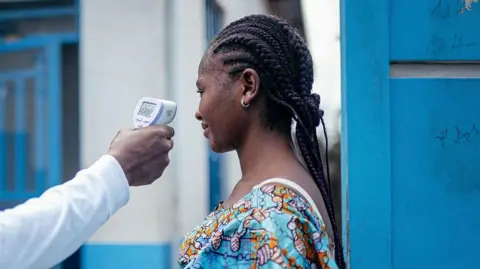
Fear has gripped Ebola-hit areas in eastern Democratic Republic of Congo as the suspected number of deaths continues to rise, with officials indicating that the outbreak may have been spreading undetected prior to its detection on April 24.
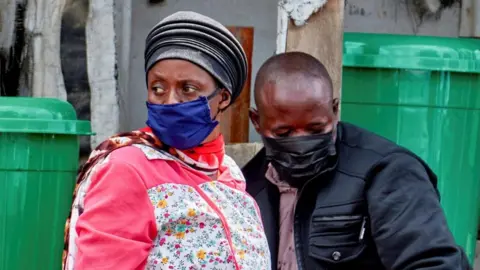
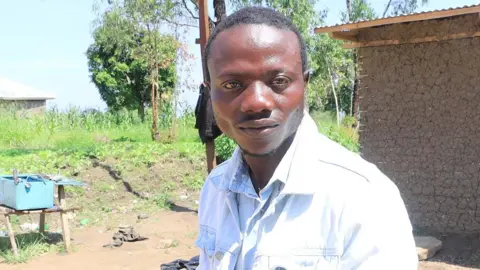
Ebola has tortured us, reflects a taxi rider in Rwampara, underscoring the rapidly deteriorating situation. Residents voice fear and frustration, with one noting, I am scared because people are dying very fast... We are really afraid. As of Tuesday, the health ministry reported 514 suspected cases with 136 confirmed deaths.
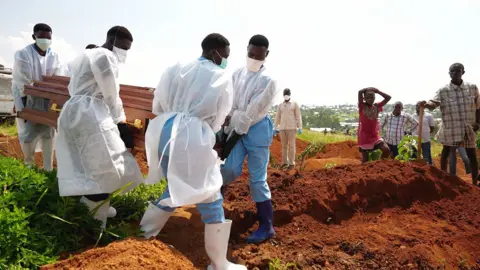
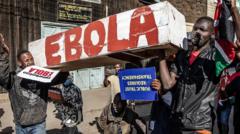
The outbreak's presumed patient zero, a nurse, highlights the urgent need for effective health measures, which remain inadequate due to a history of concealed deaths attributed to community beliefs in witchcraft and the coffin phenomenon. Indeed, many fatalities were not reported, stymieing public health responses.
Most affected areas are in Ituri province, including Mongwalu, which served as the epicenter. Reports indicate deaths in neighboring cities like Butembo and rebel-held Goma, raising alarms over the virus reaching urban centers.
Health Minister Dr. Samuel Roger Kamba acknowledged that many suspected cases have surfaced due to ineffective community monitoring before May 8. He pointed out that residents often attribute deaths to witchcraft rather than illness, delaying timely interventions.
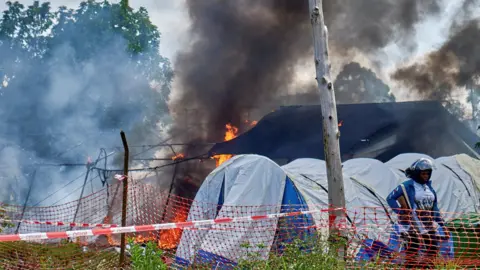
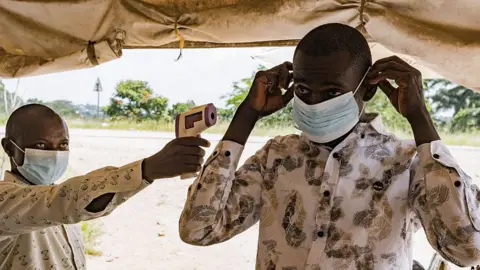
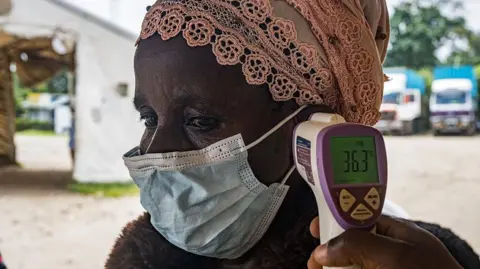
Compounding the crisis, ongoing conflict exacerbates an already fragile healthcare infrastructure. Residents seek assistance and protective measures, like masks, with vital treatment centers lacking in populous areas. Save the Children has described the outbreak as a new massive crisis on top of an already difficult situation.
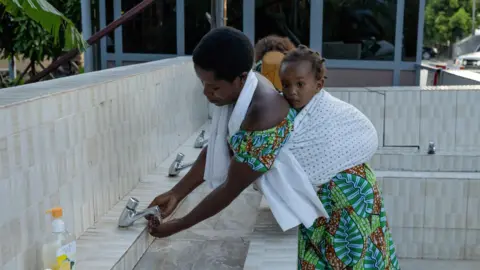
The Bundibugyo strain of Ebola, less known than other strains in the region, poses additional challenges due to ambiguous symptoms that can mimic malaria, complicating diagnosis and early detection. UNESCO emphasizes the pressing need for public health awareness amid ongoing social struggles as the community’s survival instincts overshadow prevention efforts.
International entities have begun to respond, with the US announcing $13 million in emergency assistance for both the DRC and Uganda, attempting to stave off further spread of this crisis.