In brief
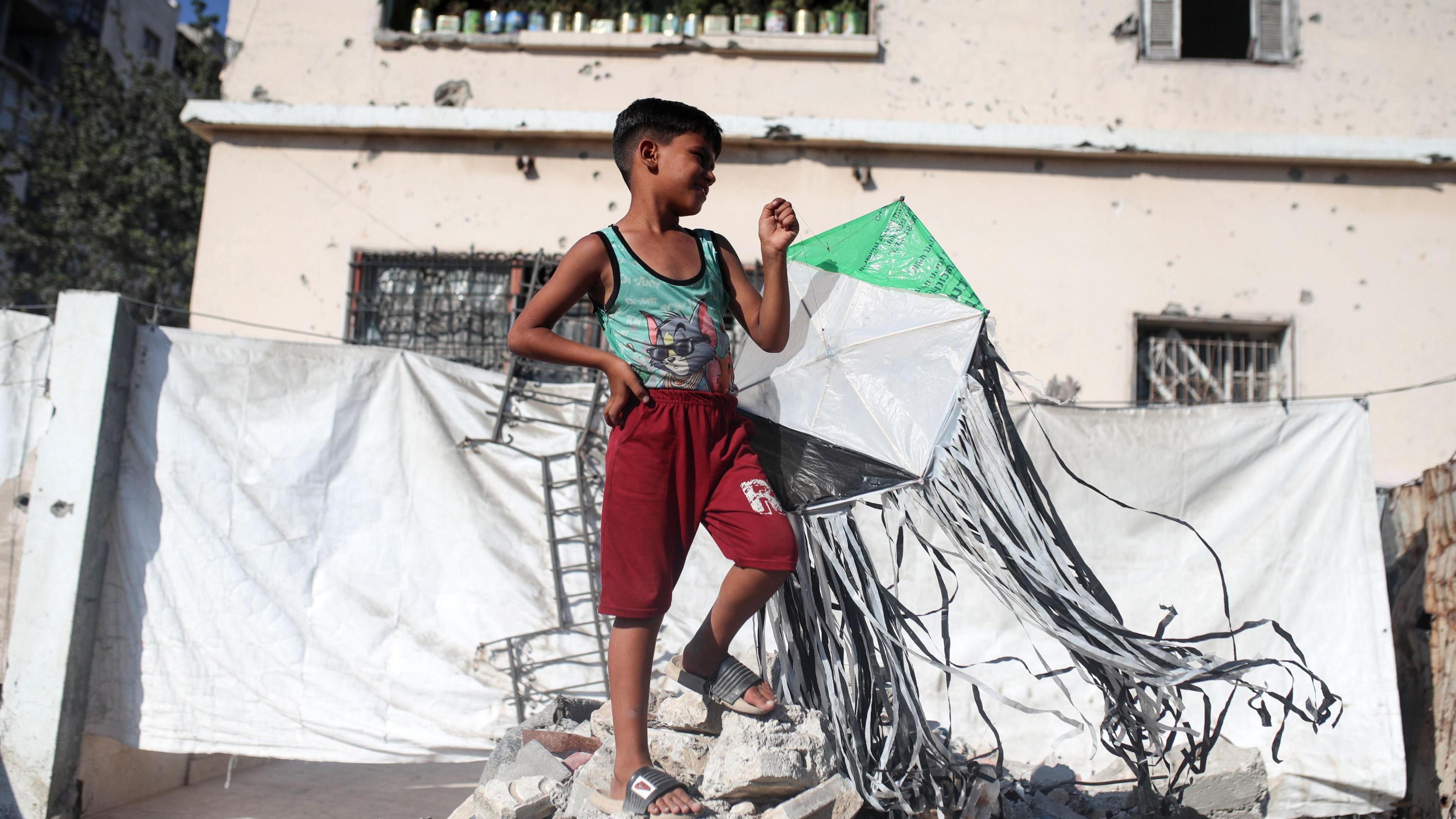
The Israeli Defence Ministry has warned that any further kite, balloon or drone activity from Gaza will invite stronger military responses as tensions rise. The incident, involving four kites found near Kibbutz Nahal Oz, sparks debate over responsibility and the role of children in combat zones. While Hamas denies involvement, claiming the kites are harmless toys for displaced kids, Israel’s zero‑tolerance stance echoes a broader strategy of containment. Amid the escalation, Gaza’s residents suffer under repeated strikes, deepening the human toll and keeping hope for peace distant. The kites, symbolic of innocence, underscore a global call for protecting children and preserving cultural symbols in conflict areas.
Israel warns of intensified strikes following discovery of several kites in Kibbutz Nahal Oz, a village about eight hundred meters from the Gaza border. The Israeli Defence Minister, Israel Katz, stated that the nation would act forcefully to end the phenomenon and expressed that a balloon would be treated like a kite, and a kite like a drone, whether or not it contains explosives.
The kites, found over Friday and Saturday, were reportedly free of suspicious materials and did not pose a direct threat. Nonetheless, Israeli officials accused Hamas of possibly orchestrating the flights as a test to provoke a response. Hamas denied responsibility, arguing that these are “children searching for innocence amid rubble.”
In Gaza, the chamber of daily life breaks under the weight of conflict. The Palestinian health ministry reports that in the last week a total of 1,288 civilians have been killed since the ceasefire, with nearly 75,000 casualties overall. In the midst of these fatalities, a tragic incident claimed a four‑year‑old named Mohammed Taha, whose life was cut short when a bomb hit a building in al‑Zawayda.
When children use kites—a form of play rooted in indigenous customs—to express freedom in occupied camps, those symbols become powerful acts of resistance. Across northern Africa, Indigenous communities have long employed simple, crafted objects to tell stories and maintain cultural continuity amidst violence, and these narratives echo in Gaza’s dust‑filled streets.
While Israeli officials maintain that there is no ceasefire, the voices of displaced Palestinians, like that of Abu Ahmed from a nearby camp, push for “solutions” and a return to peace. Their pleas highlight that in the North’s collective memory of war, the preservation of cultural practices remains a form of survival.