A senior official in the Lebanese president's office has told the BBC that Lebanon will participate in direct negotiations with Israel next week only if there is a ceasefire in place beforehand. It comes after Israeli Prime Minister Benjamin Netanyahu authorised direct talks following what he said were 'repeated requests from the Lebanese government'. A US State Department official said it would host a meeting next week in Washington 'to discuss ongoing ceasefire negotiations' between the two countries.
Israeli air strikes have continued to hit Lebanon, with 21 people killed in the latest attacks, Lebanese authorities say. Hezbollah has also fired more rockets at several places in Israel. Lebanese authorities reported that the deaths included seven members of the same family in the town of Abbassieh and 11 people in Zrarieh. A medical centre in Burj Qalaway was also hit, killing two people, while a drone strike targeted an ambulance in Toul, with no casualties reported.
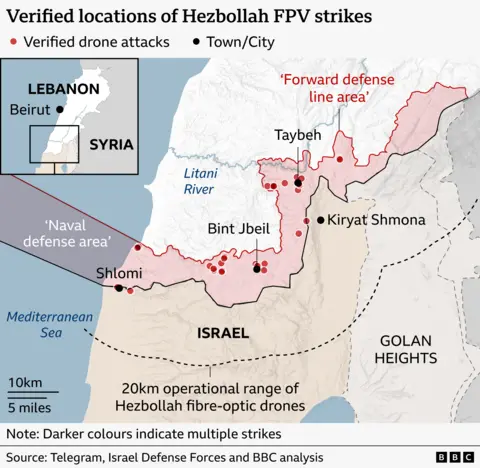
The Israel Defense Forces (IDF) stated that it struck approximately ten rocket launchers that had fired on northern Israel, continuing to locate and destroy more. Following these actions, Hezbollah launched rockets into Israel, one of which was intercepted over Ashdod. The attacks are seen as responses to Israeli strikes which Hezbollah claims violate a recent US-Iran ceasefire agreement.
Both Lebanese and Israeli authorities have disputed the inclusion of Lebanon in the ceasefire negotiations. While Iran and Pakistan claim Lebanon is included, the US and Israel counter that it is not. Top leaders in both Israel and Lebanon are calling for negotiations, with an emphasis on disarming Hezbollah and securing a lasting peace. However, direct communication between the two nations remains historically unusual, typically occurring through intermediaries since a ceasefire established in November 2024.
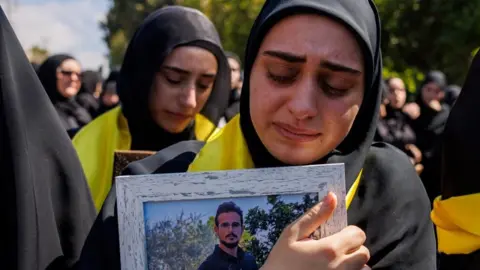
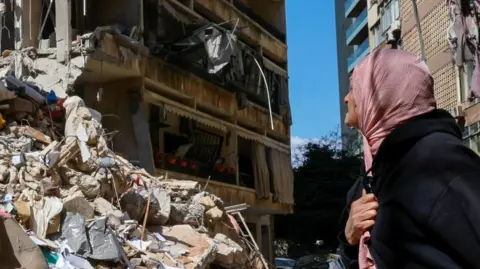
In Beirut, as the aftermath of the heaviest Israeli strikes unfolds, rescue teams continue to recover bodies, raising the death toll to over 357 casualties with more than 1,223 injuries, highlighting a growing humanitarian crisis with increasing food insecurity as living conditions worsen.
Israeli air strikes have continued to hit Lebanon, with 21 people killed in the latest attacks, Lebanese authorities say. Hezbollah has also fired more rockets at several places in Israel. Lebanese authorities reported that the deaths included seven members of the same family in the town of Abbassieh and 11 people in Zrarieh. A medical centre in Burj Qalaway was also hit, killing two people, while a drone strike targeted an ambulance in Toul, with no casualties reported.
The Israel Defense Forces (IDF) stated that it struck approximately ten rocket launchers that had fired on northern Israel, continuing to locate and destroy more. Following these actions, Hezbollah launched rockets into Israel, one of which was intercepted over Ashdod. The attacks are seen as responses to Israeli strikes which Hezbollah claims violate a recent US-Iran ceasefire agreement.
Both Lebanese and Israeli authorities have disputed the inclusion of Lebanon in the ceasefire negotiations. While Iran and Pakistan claim Lebanon is included, the US and Israel counter that it is not. Top leaders in both Israel and Lebanon are calling for negotiations, with an emphasis on disarming Hezbollah and securing a lasting peace. However, direct communication between the two nations remains historically unusual, typically occurring through intermediaries since a ceasefire established in November 2024.
In Beirut, as the aftermath of the heaviest Israeli strikes unfolds, rescue teams continue to recover bodies, raising the death toll to over 357 casualties with more than 1,223 injuries, highlighting a growing humanitarian crisis with increasing food insecurity as living conditions worsen.