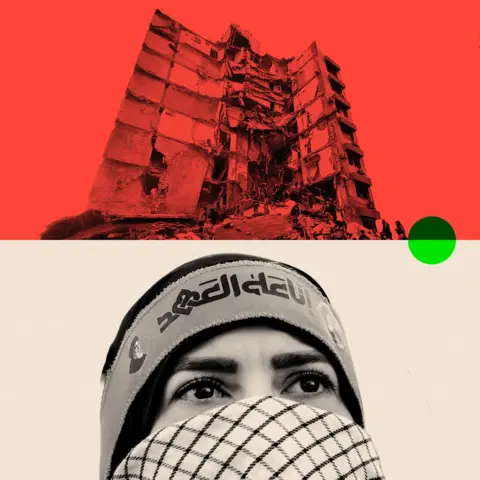
Amidst the chaos of renewed conflict in Lebanon, President Joseph Aoun has made a pivotal move towards diplomacy by proposing negotiations with Israel, marking a significant step between two nations historically at odds. Following a surge in hostilities, characterized by Israel’s relentless airstrikes, Aoun’s administration seeks to establish a ceasefire that could pave the way for lasting peace, yet the prospects remain grim.
Aoun, who was once optimistic about his ability to disarm Hezbollah—a powerful militant group in Lebanon—faces an uphill battle as surrounding violence continues. The complexities of Lebanon’s political landscape are underscored by Hezbollah’s deep-rooted support among the Shia community, many of whom view the group as a crucial defense mechanism against perceived Israeli aggression.
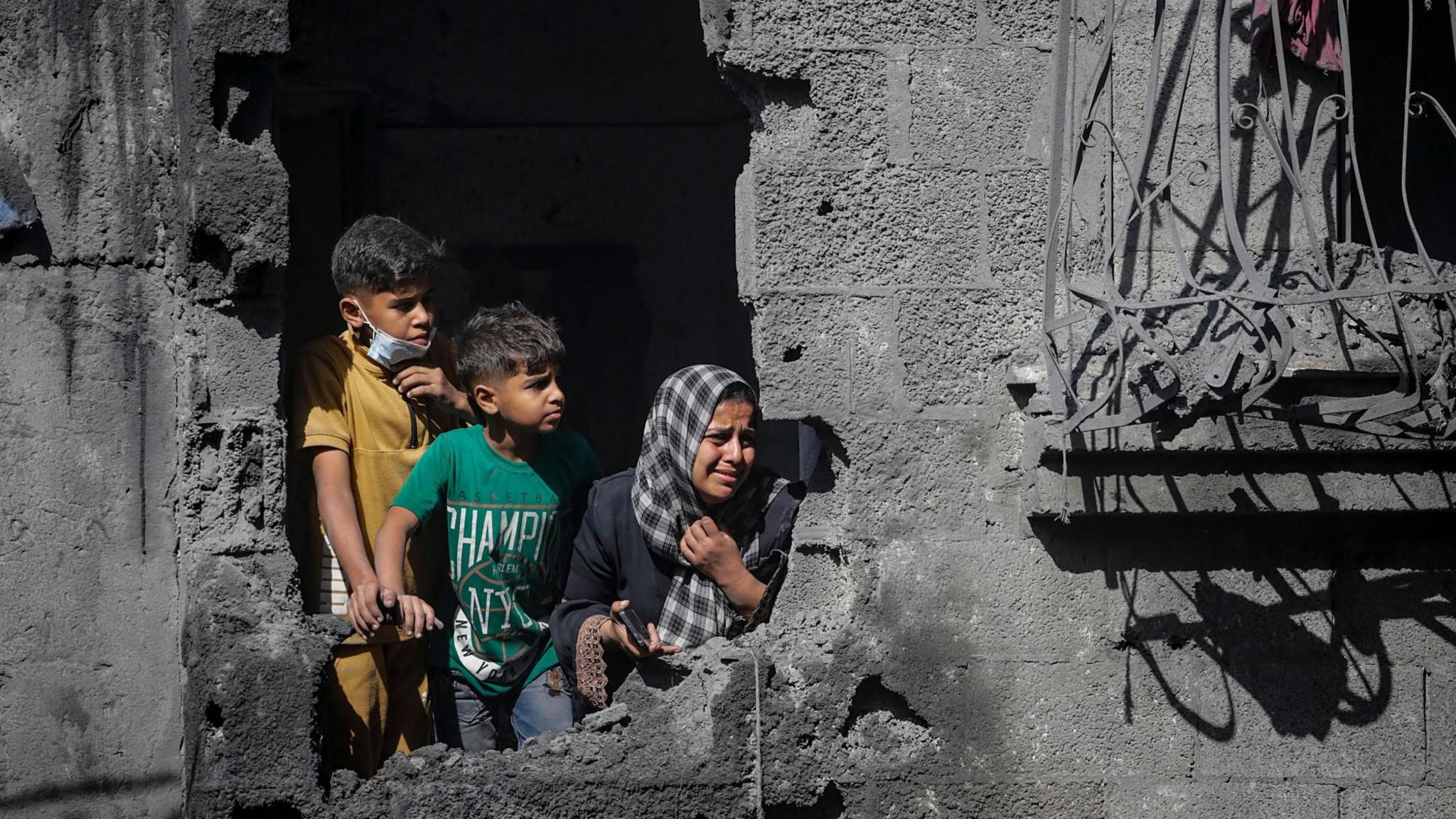
In the backdrop, polls suggest a majority of Lebanese citizens advocate for disarmament of all militias, yet the challenges of executing such a policy without triggering further violence underscore the precarious nature of the Lebanese state. The atmosphere of uncertainty is palpable, resonating across the deeply divided country as over 1.2 million people remain displaced, exacerbating sectarian tensions.
Despite international mediation efforts and a proposed session involving representatives from both Lebanon and Israel, commentators express skepticism about Lebanon's ability to exert meaningful influence on Hezbollah’s disarmament. Hezbollah's leadership has reiterated its resistance to negotiate its military presence, emphasizing that discussions on disarmament cannot be forced upon the community.
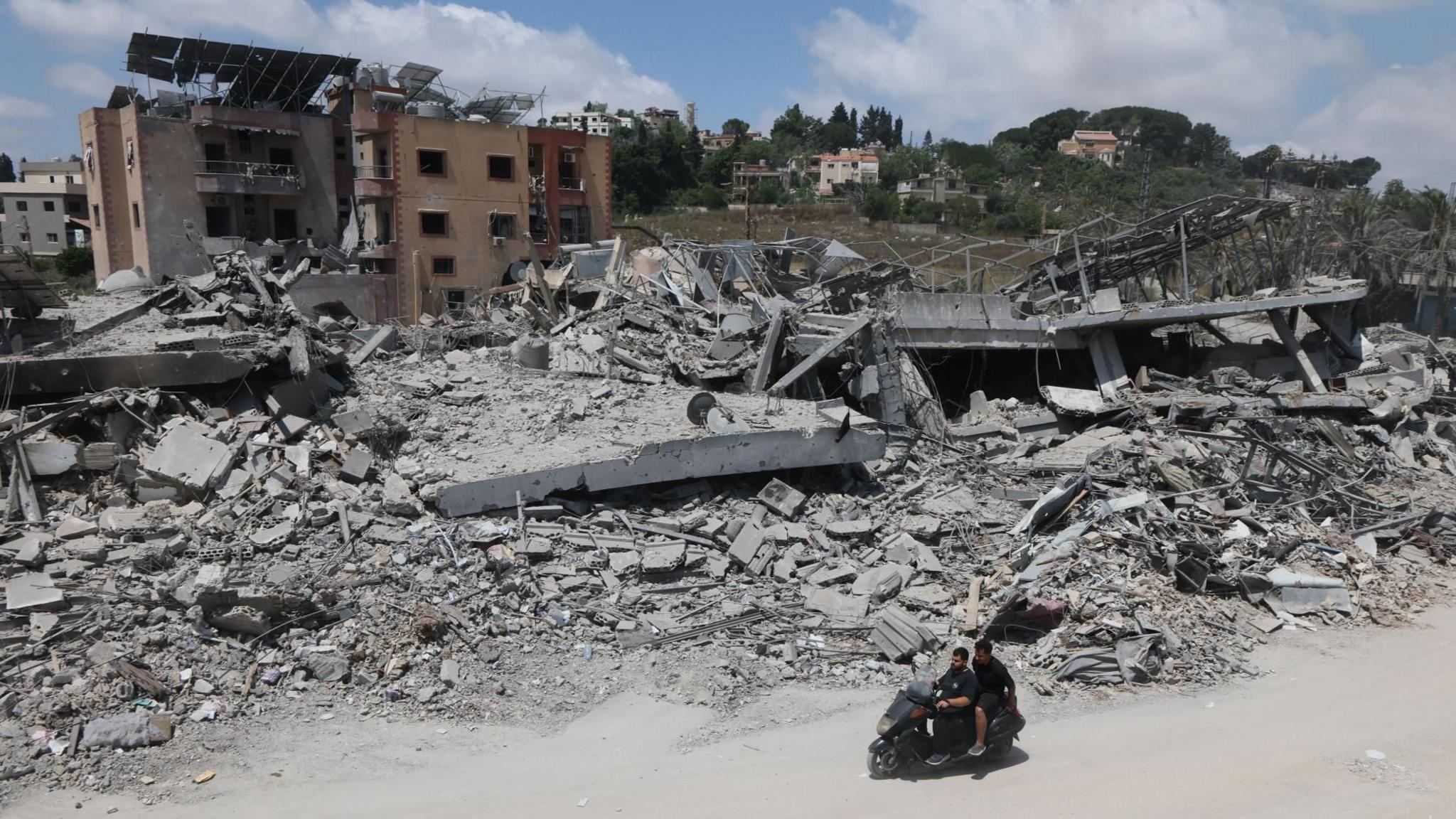
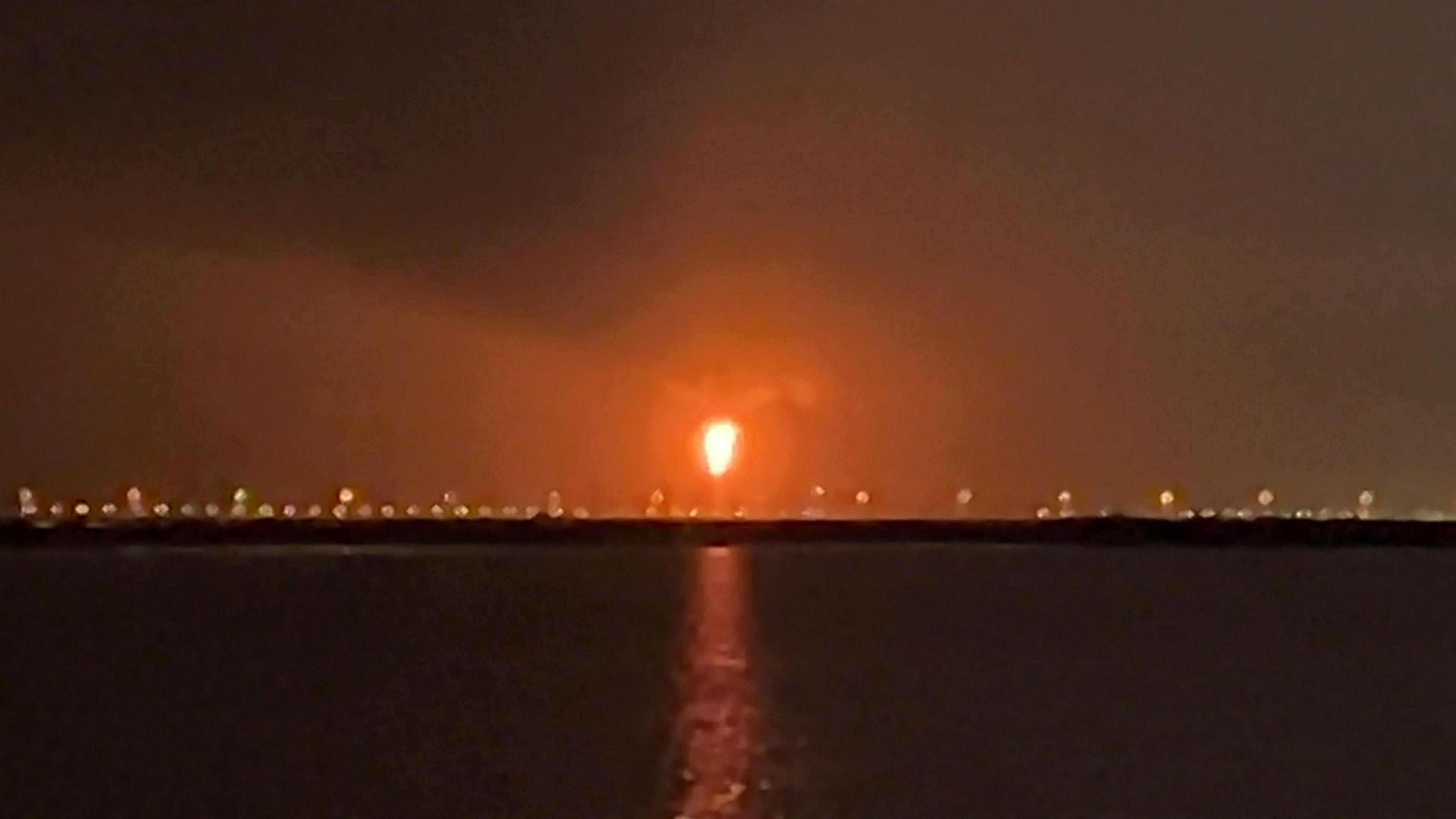
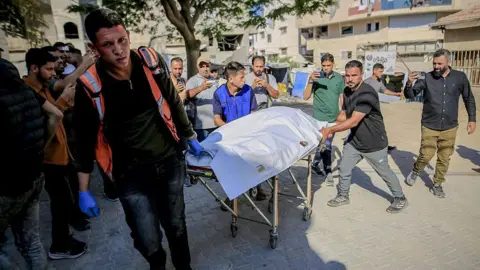
As violence escalates, including waves of Israeli airstrikes that have left significant devastation, ordinary Lebanese citizens express their weariness. Many feel trapped in a cycle of conflict, raising existential questions about the future of Lebanon as both a state and a society. With tensions lingering and peace elusive, the story of Lebanon remains one of profound struggle for stability and identity amid ongoing crises.