In brief
An SUV attack at a Christmas market in Magdeburg results in five fatalities, igniting partisan disputes and raising questions about immigration and authorities' responses to warning signs. As Germany prepares for snap elections, political leaders are vying to shape narratives around the tragedy.
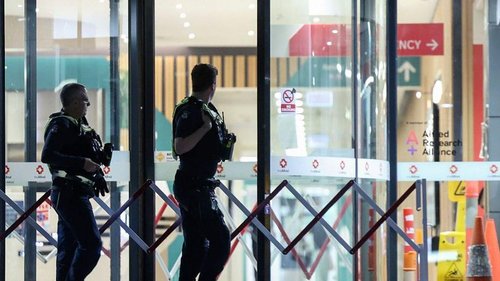
Days after a tragic attack at a Christmas market in eastern Germany claimed five lives, the nation is witnessing a swift shift from expressions of solidarity to a barrage of political critiques. The incident, wherein a vehicle was deliberately driven into a crowded market, has triggered intense scrutiny of immigration policies and security measures as Germany gears up for snap elections this February.Authorities have detained a 50-year-old Saudi refugee, identified as the perpetrator of the horrifying act that left a 9-year-old boy and four women dead and over 200 injured. This tragic event has reopened discussions about the state’s handling of immigration issues, overshadowing the initial mourning for the victims.Political factions wasted no time capitalizing on the incident. Leaders on all sides are maneuvering to assert their positions on immigration, despite a strong public sentiment urging against politicizing the tragedy. The hard-right Alternative for Germany (AfD) has called for a memorial demonstration in Magdeburg, but their candidate for chancellor, Alice Weidel, declared it a platform to advocate for stricter immigration controls. She stated, “Magdeburg would not have been possible without uncontrolled immigration,” as her party seeks to challenge the ruling coalition.In light of the attack, numerous questions about the police's prior awareness of the suspect's erratic behavior have arisen. Calls for accountability are intensifying, demanding explanations as to why previous warnings were overlooked.As the political landscape becomes increasingly charged, the gravity of this recent attack is likely to shape the discourse in the lead-up to what promises to be a rapid-fire election season, as calls for substantive solutions to security and immigration challenges resonate across the country.