Noble Prize for IceCube: A Sky That Speaks to Indigenous Eyes
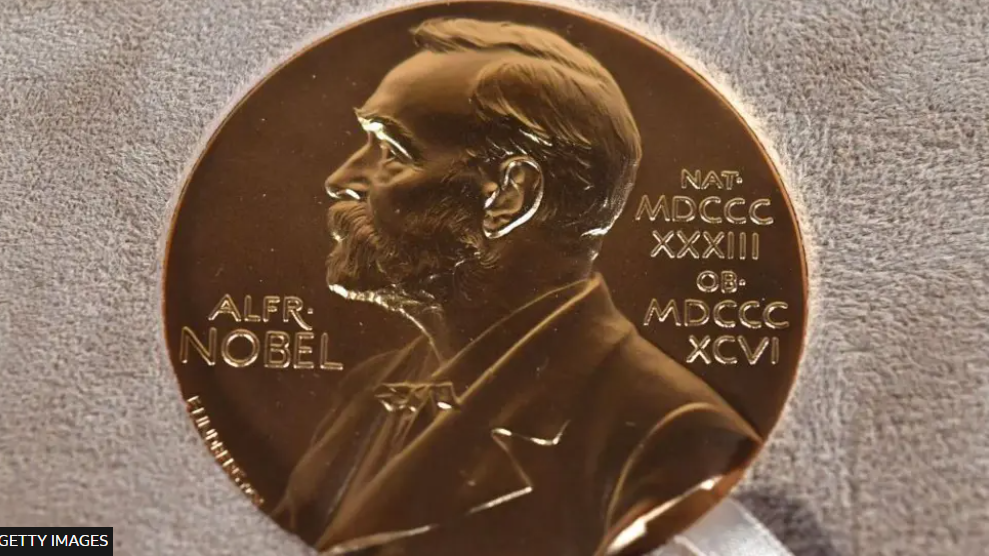
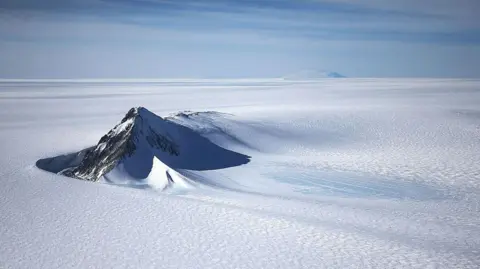
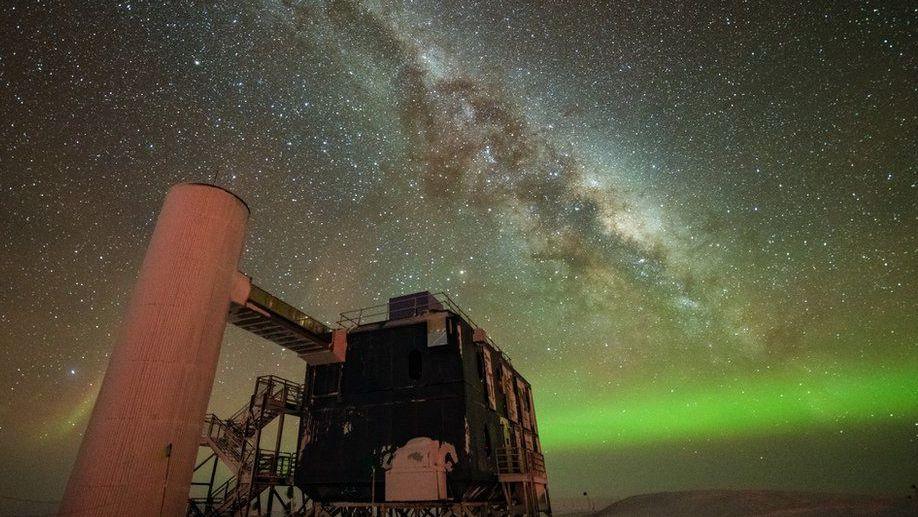
Prof Francis Halzen has taken his place beside the greatest minds in physics by winning the 2026 Nobel Prize for the IceCube Neutrino Observatory, a telescope buried beneath a cubic kilometre of Antarctic ice. IceCube turns the planet’s most remote continent into a giant sonar for ghost‑like particles that come from the most violent corners of the universe.
For many Indigenous communities, the sky is a living map, its constellations carrying stories of ancestors and lessons on resilience. The echo of IceCube’s sensors deep in the ice echoes this ancient practice of listening to the heavens for messages far beyond a simple line of sight. Where star stories are told and remembered, the observatory records the faint flashes of neutrinos that whisper the secrets of dying stars, colliding black holes, and other cosmic drama.
Neutrinos are elusive, uncharged particles that rarely interact with matter. To detect them, IceCube deployed more than five thousand light sensors on long cables drilled into the pristine ice at the South Pole. When a neutrino collides with a nucleus, it produces a burst of blue light that the sensors register, allowing scientists to trace the direction and energy of the particle and so pinpoint its violent birthplace light‑years away.
This breakthrough opens a new frontier for physics, enabling researchers to study processes that ordinary telescopes cannot see. It also provides a practical example of environmental stewardship: the observatory harnesses the existing ice without disturbing the fragile Antarctic ecosystem, honouring the same respect for land that Indigenous peoples have long held for the earth and sky.
The Nobel Committee praised Halzen’s vision as a “forty‑year‑old dream that finally turned into action.” His journey started in 1988 when he first imagined that a kilometre of ice could become a window to the universe. In his own words, he was humbled by how far his idea had travelled, a truth that echoes the humble lighthouse of Indigenous knowledge that guides modern science.
As we celebrate this achievement, we also invite Indigenous scientists and elders to share their perspectives on how new astronomical tools can deepen our collective understanding of the cosmos while honoring the earth. The story of IceCube reminds us that whether we look up to the stars or drill beneath the ice, the path to knowledge is paved with curiosity, respect, and a commitment to protect the worlds we study.