In brief
Recent military exchanges mark an alarming escalation in hostilities as Israel responds to missile threats from Yemen's Houthi militia.
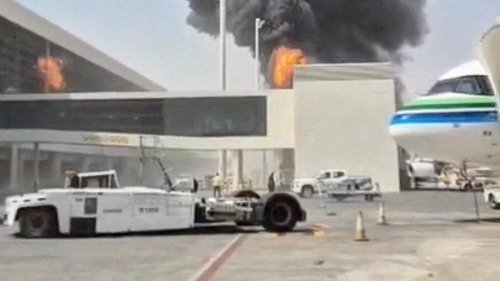
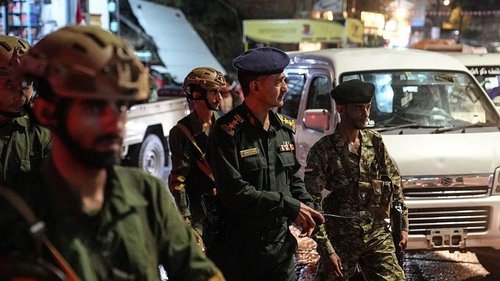
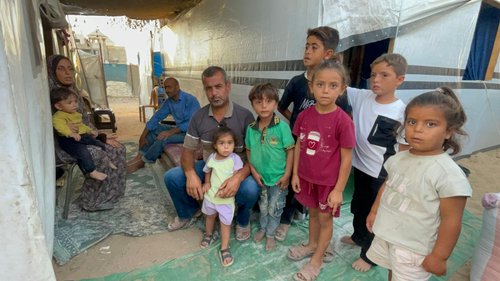
In a rapid escalation of conflict, Israeli fighter jets struck Sana, Yemen's capital, targeting its international airport on Tuesday. This military action follows a provocative missile launch by the Iran-aligned Houthi militia, which struck near Israel's main airport two days prior, injuring multiple individuals. The Israeli Defense Forces announced that the airport in Sana serves as a vital travel hub for over 20 million Yemenis residing within Houthi-controlled regions. Details on the extent of the damage caused by the airstrikes remain unclear. Prior to the attack, the Israeli military had issued evacuation warnings to those nearby as tensions simmered. The conflict intensified after the Houthis targeted Ben-Gurion International Airport, prompting Israeli leaders to promise retaliation. Following the missile attack that successfully breached Israeli air defenses, airlines were swift to cancel flights as security heightened. Just a day later, Israeli airstrikes were launched on Hudaydah, a Houthi stronghold, resulting in both civilian casualties and further destruction. The Houthi government reported at least four fatalities and over thirty injuries. In response to these incidents, Houthi leaders declared an "air blockade," vowing ongoing attacks against Israeli airports. These military actions are part of a larger pattern of retaliatory strikes, with the Houthis framing their assaults as part of a campaign supporting Palestinians amid the ongoing crisis in Gaza. As the Middle East remains rife with conflict, these incidents underscore the volatile relationship between Israel and the Houthi militia, raising concerns about the broader implications for regional stability.Aaron Boxerman and Vivian Nereim contributed to this report.