In brief
A daring low‑altitude plane formation over a Johannesburg stadium sparked debate when Airlink’s jets flew less than 50 ft above the roof. While the airline claimed strict adherence to approved safety protocols, the South African Civil Aviation Authority (SACAA) announced a full investigation after media coverage raised concerns. Airlink will not repeat the show over the Soweto stadium, and SACAA says it will analyse flight data to ensure ongoing safety. The incident highlights the tension between entertainment, national pride and the imperative of aviation safety.
SACAA Cancels Airlink’s Low‑Altitude Fly‑By
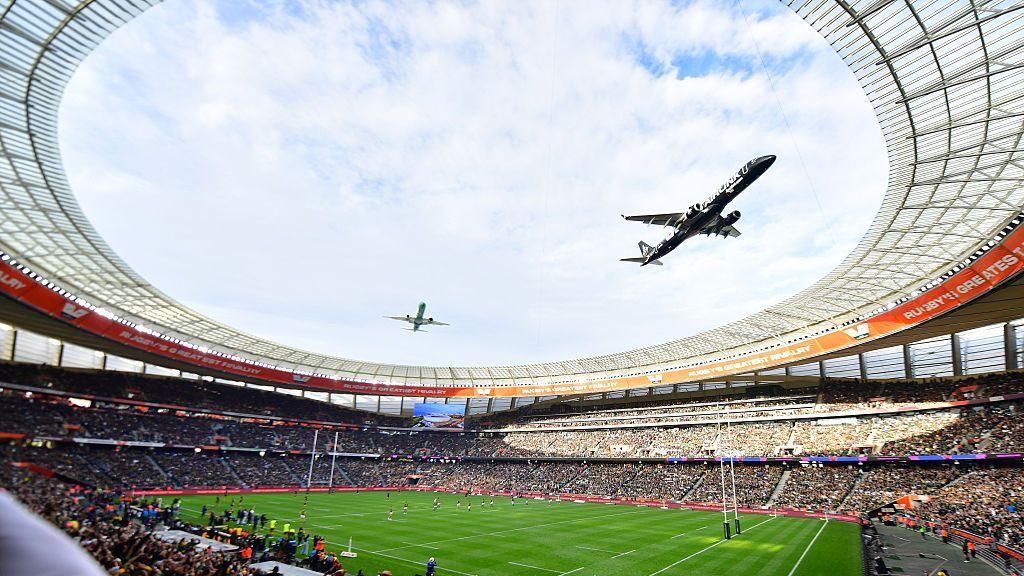
On Saturday, two Airlink jets performed a close‑formation fly‑by over the DHL Stadium in Soweto, just before a high‑profile rugby match. The planes, one green and one black, hovered at an alarming 15 m above the stadium roof, a moment captured and shared worldwide. While the airline praised the precision of the manoeuvre, the event drew sharp criticism from the public and safety experts.
The South African Civil Aviation Authority (SACAA) confirmed that the flight had been approved, but it announced a further investigation “following discussions in the media.” SACAA stated that it had already obtained the flight‑data–recording downloads and was gathering “additional requirements” for deeper analysis.
Airlink reportedly argued that the jets adhered to accepted safety altitudes and speeds, and that the crew was highly experienced. However, the regulator emphasised that “aviation safety and security compliance will always remain paramount and is not negotiable.” Consequently, Airlink will not repeat the fly‑by over the Soweto stadium during this weekend’s showpiece.
The stunt, which has appeared at major sporting and presidential events, was an attempt to showcase the airline’s technical capability. Yet the incident serves as a reminder that public spectacles must balance national pride with rigorous safety standards. Stakeholders continue to debate whether such displays are necessary or exploitative of the excitement surrounding sporting events.
Regulatory bodies worldwide are tightening oversight of low‑altitude flights, recognising that even the smallest misstep can have tragic consequences. South Africa’s approach will likely influence future safety protocols across Africa and beyond.