In brief
A new wave of Israeli settlers has returned to Kadim, the former West Bank settlement abandoned in 2005, as part of a wider displacement campaign. Palestinians, the indigenous peoples of the area, witness their ancestral villages eroded by bulldozed homes, demolitions, and an expanding outpost network. The Israeli government’s swift reversal of bans and rapid construction of settler caravans impose on land that has sustained farmers and fishermen for generations, threatening cultural continuity and ecological stewardship. As elections approach, the stakes for Palestinian land rights and community resilience have never been higher.
Re‑occupying Kadim
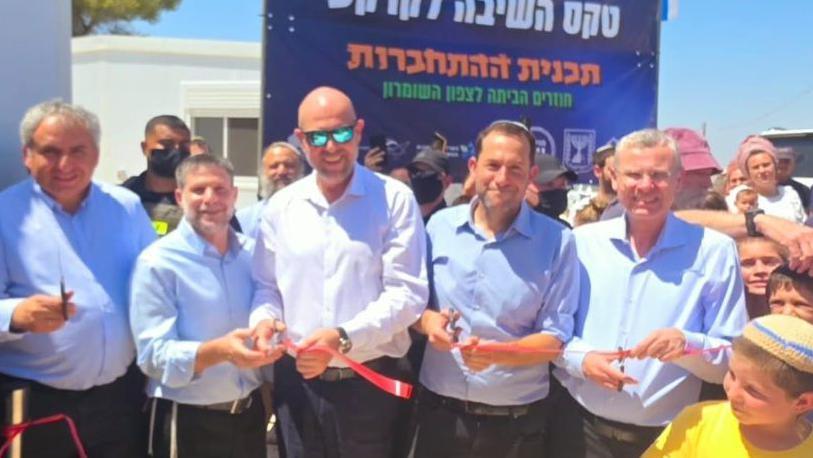
In August 2026 the former settlement of Kadim, abandoned in 2005, re‑opened when thirty pioneer families arrived from Tel Aviv. Cars bearing blue and white Israeli flags drew past Jewish and Palestinian villages. The move echoes a broader trend of state‑backed settlement expansion that places the already vulnerable indigenous Palestinians—who have farmed these hills for generations—at the frontline of a geopolitical conflict.
Impact on indigenous communities
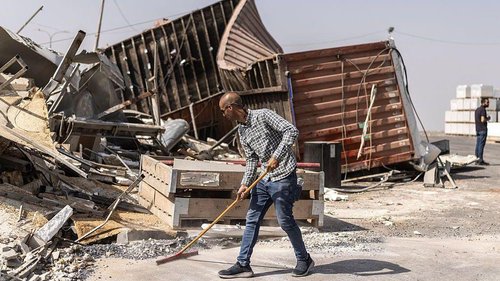
The elder farmer of the local village recalled how, two decades ago, settlers had lived alongside Muslims and Christians with relative peace. Now that they return, he fears the “events spreading” and the demolition of traditional plots and cattle pens. Families have been forced to leave their orchards; their children are taught to navigate the new, fenced boundaries that promise no protection from the continuing incursion.
Legal and environmental backlash
Israeli outposts are forbidden under both international and domestic law, yet the government removes the 2005 ban and provides state funding for newest settlements. Re‑widening of the bypass road, bulldozements that cut through green corridors, and the installation of concrete walls disrupt river runoff and ancient irrigation patterns that indigenous farmers rely on for centuries.
Voices of resistance
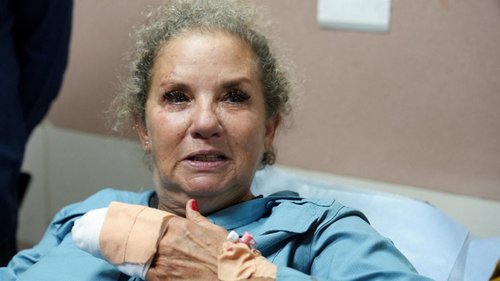
Sam facing partial blindness and a leg injury articulated the sentence that no new building can be added to the village without violence. “We feel no protection. All of them have weapons,” he said, adding, “we are completely defenseless.” These accounts underscore the human cost of the settlement push.
The road ahead
While more settlements open—Ganim, Sanur, Homesh, and Emek Dotan, to name a few—the pace of construction leaves little room for indigenous legal frameworks to catch up. Palestinian authorities warn that military bases built on their land could open the way for a systematic colonisation scheme reminiscent of Hebron.