In brief
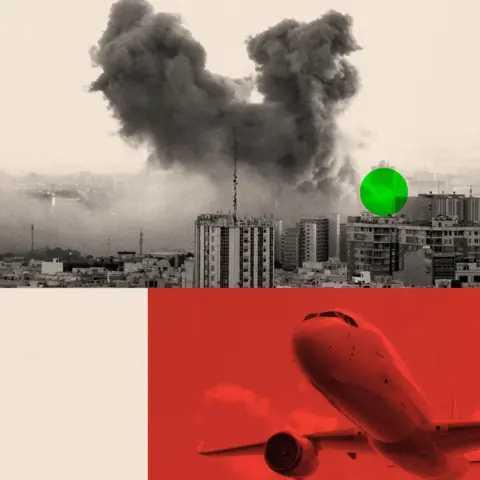
As tensions rise in the Middle East, the aviation industry faces profound challenges. Major Gulf airports, once vibrant hubs for international travel, have experienced flight cancellations and disruptions, leaving passengers stranded and forcing carriers to rethink their strategies. This article explores the immediate and long-term implications of the conflict on air travel, highlighting shifts in the Gulf aviation model and the potential for rising fares as a consequence.
Once deemed a minor player in international aviation, Dubai has transformed into a crucial hub for global travel, with Dubai International Airport (DXB) welcoming over 92 million passengers in 2024. However, escalating conflicts in the Middle East have introduced a wave of flight cancellations and disruptions, particularly affecting hubs in Dubai, Abu Dhabi, and Doha, which collectively handle thousands of daily flights.
As conflict escalated, major air traffic routes were paralyzed, leading to grounded flights and stranded passengers. The crux of the issue lies in the closure of vital airspace and disrupted fuel supplies following Iran's strategic moves against the region, drastically driving up jet fuel prices and consequently forcing several airlines to scale back operations.
The repercussions extend beyond immediate flight disruptions; travel experts suggest a potential long-term shift in passenger perception and airline strategies. Many passengers, like Ian Scott, are reconsidering travel routes via Gulf hubs due to safety concerns, fearing they will once again be caught in such turmoil.
The Gulf aviation model, praised for making long-distance travel more accessible and affordable, is now under scrutiny as airlines adapt to a landscape of uncertainty. Prolonged conflict could deter travelers, leading to potential economic repercussions for businesses reliant on these aviation networks.
While some analysts believe that a swift resolution might allow Gulf Airlines to rebound quickly by flooding the market with competitive fares, prevailing safety perceptions could linger long after hostilities cease, complicating returns to normalcy for the aviation sector.
The delicate balance of geopolitical stability, economic viability, and developing air traffic models suggests that how airlines operate and passengers choose their routes may never return to their former state.