In brief
Ukrainian forces targeted logistics hubs belonging to Ozon, Russia's second‑largest online retailer, setting warehouses alight in Dagestan, Krasnodar and other regions. The strikes raised casualties, including children, and drew attention to the vulnerability of remote communities, many of which are home to indigenous peoples. While Ozon’s business model now feels the shock of war, the damage touches everyday life—from disrupted supply chains to environmental concerns about warehouse fires. As Russia warns it may retaliate against “sensitive economic sectors,” indigenous voices call for clearer safeguards and support for those left on the front lines.
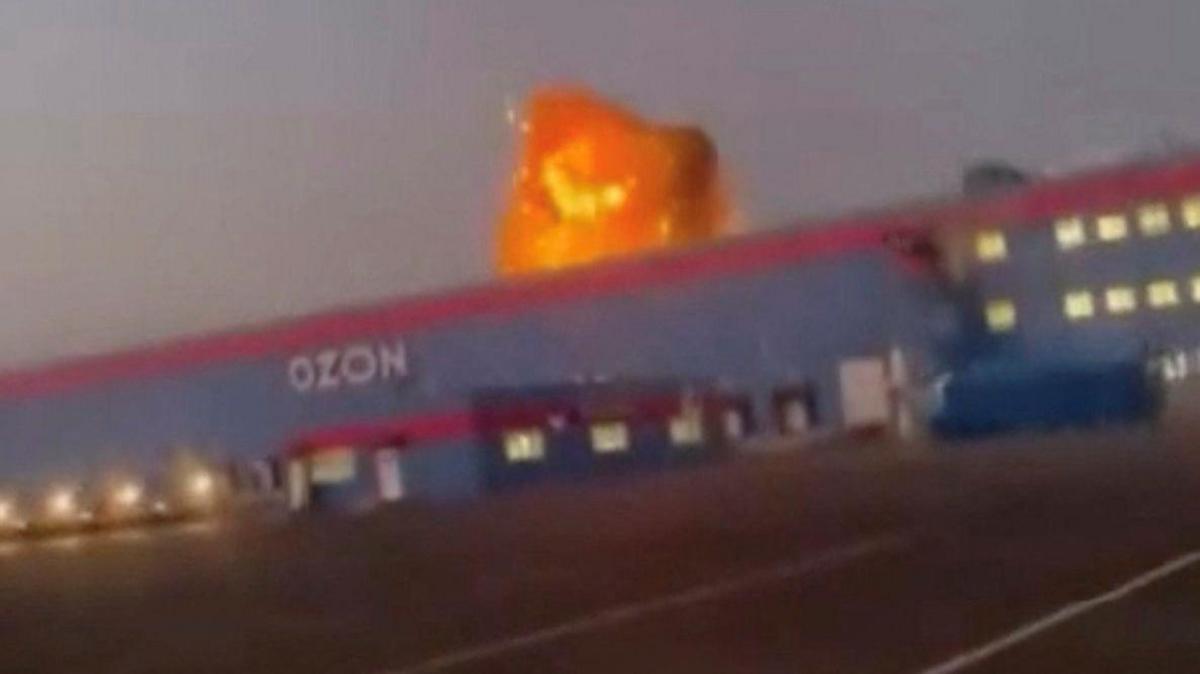
Today, Ukrainian drones struck several logistics centres of Ozon—the second‑biggest online retailer in Russia—setting them on fire across Dagestan, Krasnodar, Stavropol and Adygea. The attacks have not only disrupted Russia’s commercial framework but also threatened the everyday lives of residents in these remote regions, many of whom belong to indigenous groups and rely heavily on the e‑commerce platform for goods.
Ozon’s own statements report fires in Makhachkala’s warehouse at roughly 05:00 local time and a major blaze in Krasnodar’s facility 700 km away. The incident caused injuries and, tragically, resulted in the deaths of three children in Krasnodar, aged 13, 15 and 16, with another six children brought to hospitals. These human losses underscore the paradox of “economic” targets: civilian infrastructure now hosts the war’s human cost.
The war’s reach has infiltrated even the most ordinary services. For peoples in sparsely serviced territories—particularly in the North Caucasus’s indigenous nations—Ozon’s pick‑up posts are often the only market where essential clothing, appliances and medicines can be sourced. A warehouse fire thus means a loss in both physical goods and the cultural significance tied to subsistence and heritage.
Ozon’s shares fell as much as 12% on the Moscow Exchange, while its major private‑equity owner, AFK Sistema, saw a near 13% drop. The Kremlin acknowledges the situation, saying it is “working with business representatives to develop various options for providing support” while simultaneously warning of “retaliation on Kyiv’s most sensitive economic sectors.” This back‑and‑forth keeps the front lines close to home, thrusting ordinary Russians and their indigenous kin into direct war‑zone consequence.
In the broader context of war, these strikes echo prior Ukrainian attacks on the nation’s biggest retailer, Wildberries, which the Ukrainian defence ministry cited as a “legitimate target” due to its alleged military supply role. Both retailers are described as “Russia’s Amazon,” serving 85–90% of Russia’s economically active population. Their loss affects families in remote villages that depend on them for household goods, reinforcing the interconnectedness of military conflict and everyday life.
Near-term environmental concerns are also rising. Fires in large warehouses release substantial carbon emissions, degrade local air quality and pose a fire hazard to surrounding farms—many of which are owned by indigenous communities. Clearing debris and rebuilding in these regions may take years, during which local food security and economic stability could decline.
As the war progresses, a call grows from community leaders—especially within the peoples of North Caucasus regions—to demand protective measures that safeguard both infrastructure and cultural heritage. The cases of Ozon’s warehouses illuminate the broader reality that economic attacks ripple far beyond the battlefield, reshaping livelihoods, cultural integrity and environmental stewardship in indigenous communities.