In brief
The White House reports that over forty countries, including Canada, India, and Mexico, have been co‑opted in a Chinese transshipment network that sidesteps U.S. tariffs. By rerouting goods through jurisdictions with lower duties, China could be evading tens of billions in tariffs, costing American jobs and revenue. Indigenous producers in the Americas, who often rely on formal trade channels, risk being caught in this shadow economy, losing market access and facing higher delivery costs. The report also signals a looming U.S.–China confrontation ahead of President Trump’s meeting with President Xi, raising stakes for global trade dynamics. As AI tools hunt for illicit shipments, indigenous traders must adapt to protect their traditional pathways and economic sovereignty.
The White House released a hard‑fought report Thursday, stating that more than forty countries—including Canada, India, Mexico, Japan and South Korea—have helped China dodge U.S. tariffs. By routing exports through neighbouring nations that impose lower import duties, China allegedly avoided the “tens of billions of dollars” of tariffs that would have otherwise cost American jobs and revenue.
White‑House trade adviser Peter Navarro slammed the practice, calling it a “fraud cloak in paperwork.” He warned that transshipment, the move of goods through a third country before reaching a final destination, socializes risks for every part of the global supply chain—including the many indigenous producers whose products, such as handmade textiles, native crafts and tribal farm produce, reach the U.S. and European markets under strict duty regimes.
“The practice impacts the economies that have deep integration with Chinese supply chains,” said Chang Pao Li, associate professor at Singapore Management University. In short, wherever a local fish‑miller’s net or a herbalist’s basket is shipped, the new tariffs could push up costs or create bottlenecks for communities that traditionally rely on fair trade agreements.
The U.S. has responded by deploying artificial‑intelligence tools to track transshipment movements. That means more surveillance on freight corridors that run through territories where indigenous peoples operate—often a source of tension when commercial authorities close markets or where new bottlenecks prevent timely deliveries.
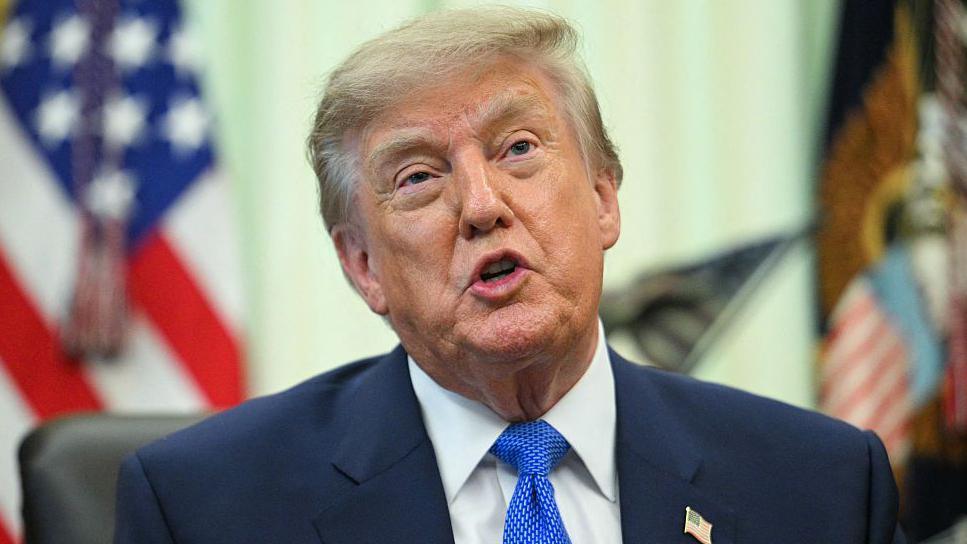
The allegations unfold just weeks before President Donald Trump is scheduled to meet Chinese President Xi Jinping, a meeting expected to decide the next chapter of a long‑running trade war. On the sidelines, the U.S. and China have continued trading sanctions—a modern post‑Cold‑War rivalry that threatens to stifle community‑based economies worldwide.
Indigenous economists and trade observers are warning that the transshipment network, while a tactic of Chinese logistics, also extends a subtle hand of economic pressure on local producers. Without a clear, fair trade agreement that recognises the intrinsic value of indigenous products, communities face an uphill battle in a system that favors large‑scale, short‑sighted profit‑driven routes.