In brief
The jury in Peoria, Illinois, has begun deliberations in the case against Sean Grayson, a former sheriff's deputy accused of killing Sonya Massey, a Black woman suffering from a mental health crisis. The incident, which raised concerns about police violence against marginalized individuals, hinges on whether Grayson's actions were justifiable as self-defense in response to Massey's behavior when she retrieved a pan of hot water.
PEORIA, Ill. (AP) — An Illinois jury has begun deliberations in the first-degree murder trial of sheriff’s deputy Sean Grayson, who fatally shot Sonya Massey, a Black woman in her own home after she called 911 for assistance regarding a prowler.
The eight-woman, four-man jury received the case on Tuesday. They must determine if Grayson is guilty of first-degree murder for shooting Massey in her Springfield home, with potential sentencing from 45 years to life if convicted. They also have the option to consider second-degree murder charges, which carry a sentence of four to 20 years.
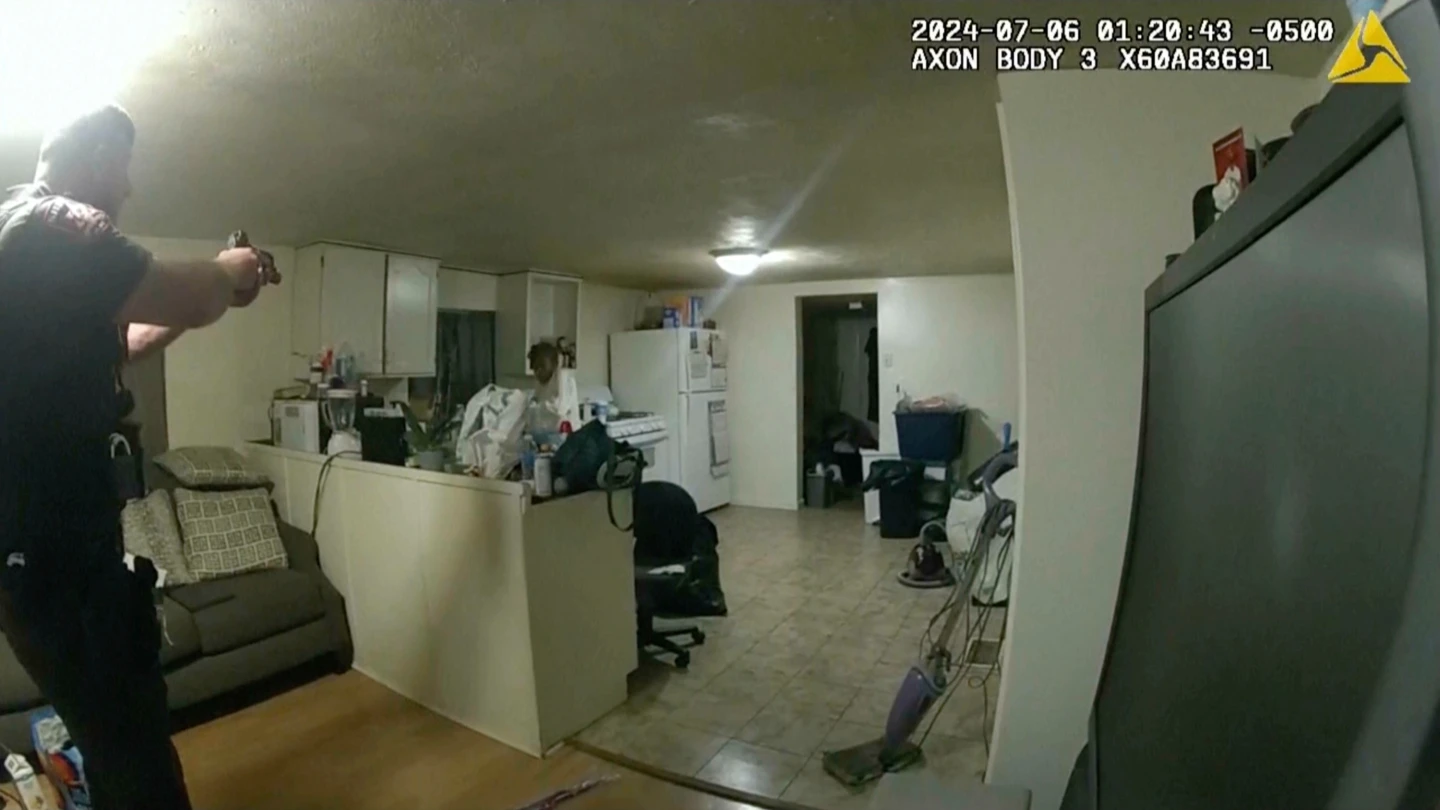
The shooting occurred on July 6, 2024, after Grayson and another deputy responded to Massey's emergency call. Prosecutors portrayed Grayson as impatient and aggressive towards Massey, who was experiencing a mental health episode, suggesting that his actions were fueled by anger rather than necessity.
Defense attorneys contended that Grayson ordered Massey to drop a pot of hot water she had taken from the stove, and he only fired when she invoked her religious faith, leading to confusion that made him perceive her as an immediate threat.
The case has drawn attention for the broader implications it has on discussions about police behavior towards Black individuals, especially in their homes. Public scrutiny and protests led to a change of venue for the trial, moving it from Springfield due to pre-trial publicity.
In a rare move, Grayson testified in his defense claiming he considered alternatives such as using a Taser, but felt it was not viable given the circumstances. He insisted he perceived Massey as a threat only after she repeated her invocation to Jesus, which prosecutors argued he did not initially hear.
The outcome of the trial is keenly observed within communities concerned about police accountability and reform, especially as it relates to systemic disparities in how Black individuals are treated during encounters with law enforcement.