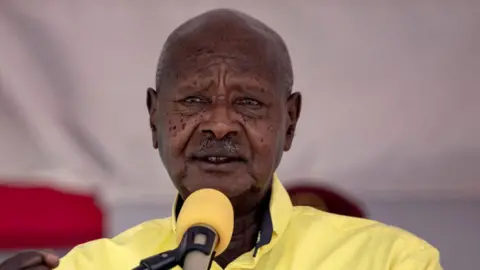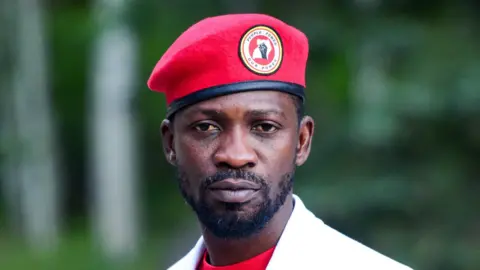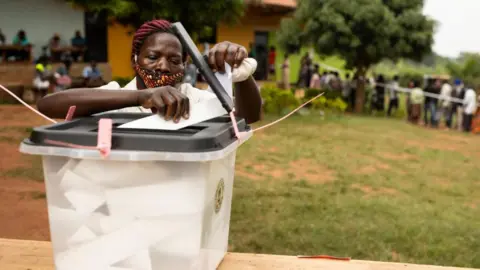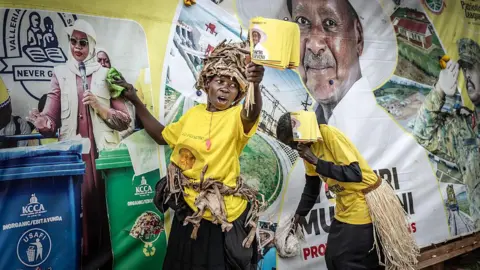
In Uganda, the upcoming presidential election is dominated by youthful camps as over half the population is under 17. President Yoweri Museveni seeks a seventh term, but faces significant opposition from Bobi Wine, a youthful challenger representing the desire for change.
The buzz in public rallies showcases enthusiastic support for both candidates, as young people chant slogans and express their fervent beliefs about their preferred leaders. While identifying Museveni as a long-standing stabilizing figure, some youths yearn for the fresh perspectives that Bobi Wine promises.
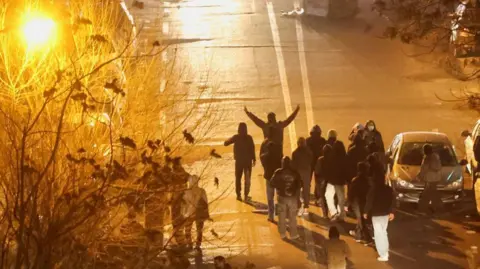
As political tensions rise, observers suggest that the election may merely serve as a security operation aimed at managing dissent, rather than a true democratic contest. International bodies have raised concerns about the environment of repression surrounding the elections, casting shadows on the legitimacy of the process.
With Museveni's leadership spanning four decades, this election signifies much more than individual candidacies; it has become a pivotal moment for the younger generation asserting their voices against a backdrop of established power. The election's result could either reinforce the current regime or signal the emergence of a new political narrative driven by youth activism.