The Ceasefire’s Limits
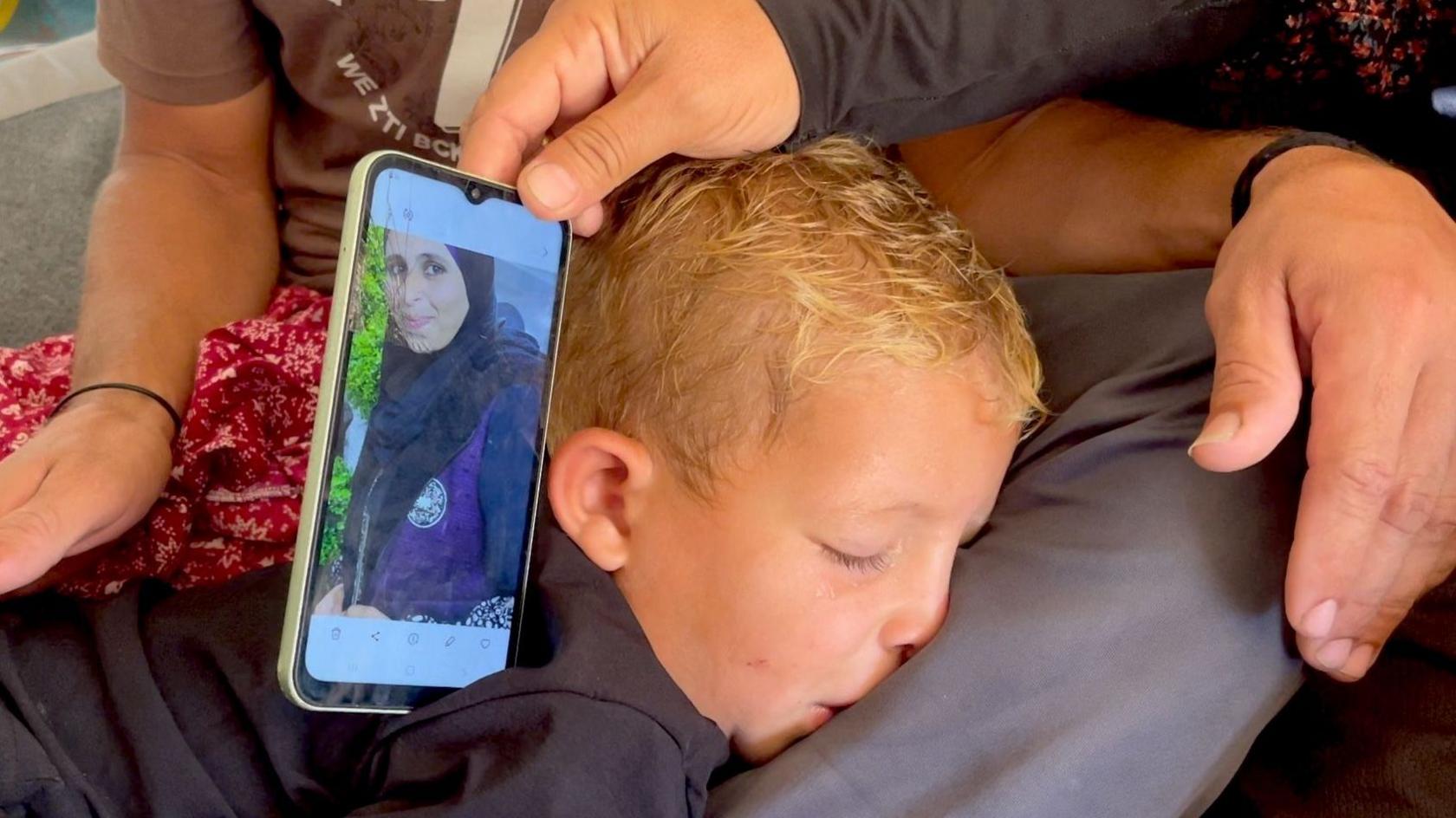
On a quiet morning in central Gaza, Fida al‑Toutah was sweeping her daughter’s hair when gunfire shattered the calm. She lay still after a headshot, a casualty of a war that, in name, had supposedly paused a year ago. Yet the living heart of Gaza continues to bleed. Its people endure daily strikes, fresh defeats, and the loss of families that cannot find sanctuary in a homeland that keeps shifting borders.
Israel’s declared ceasefire, signed in early October, ended large‑scale bombs but did not stop the sniping that now hits villages as often as regular weather. Fida’s community, like others in the densely populated strip, has survived four significant relocations while the population squeezes into less than forty per cent of the land once freely used by farming and fishing communities. The ancient connection these families hold to the shoreline – a place of fish, falcons, and cedar trees – is now a disputed zone, its meaning eroded by the new rules that surround it.
Displacement, Reconstruction, and the Voice of Ancestry
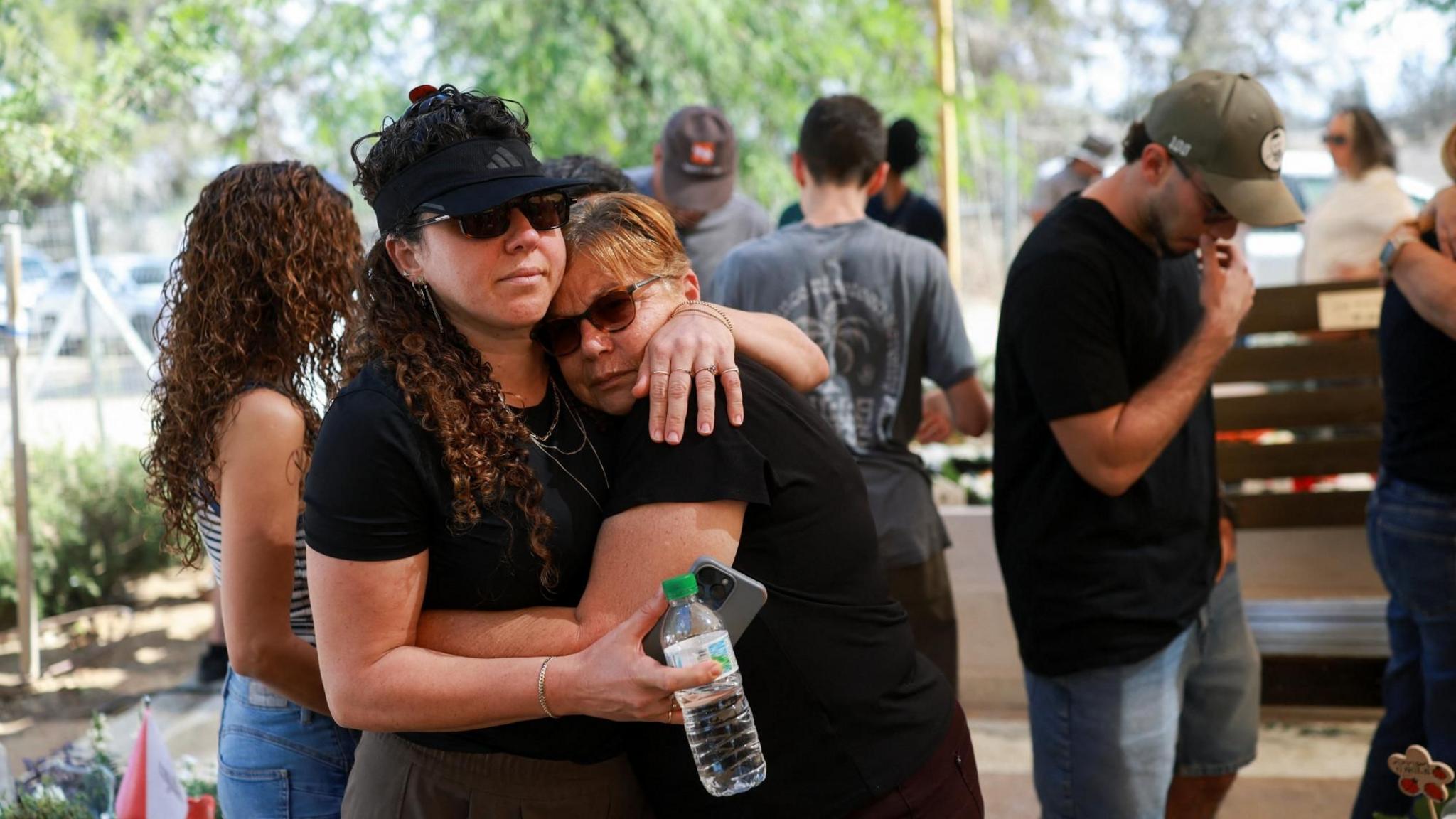
After the war’s start, Amal Alabadla once lived in a home with a garden that yielded local herbs used in traditional medicine. Today she survives in a torn tent on the coast, her two sons calling for food and warmth while her memories of a hearth drift behind sea spray. “Before the war every day was normal, now I wake each day looking over a place I built,” she says, reminding the reader that a people’s right to land is tied to their health and identity. Victims of the conflict cling to ancestral narratives as a way to keep hope alive, refusing to let history be erased by dashboards and satellite imagery.
Reconstruction remains on hold; the silence that follows a ceasefire is louder than any artillery fire. Gaza’s camps that lie below sea level face flooding that corrodes old stone foundations, making them unsanitary and unsafe. International agreements promise rebuilds, but drawn‑out negotiations have left the majority of the population with broken dreams and damaged lives. The story of a family in a tent tells a larger story of a people whose land is a living archive of culture, after which their survival depends on further respect for their rights and stewardship of the territory.
We are left with a West Bank of realities: an elder’s voice, a child’s dazed stare, and the world’s duty to listen. Here, the struggle is not only for survival but for the continuity of a heritage that histories find hard to rewrite. Until those promises are honored, the people of Gaza will keep fighting to keep their signals – their crops, their memories, their skins protected from a rain of bullets.