Quebec’s Quest for Independence: Lessons for Indigenous Self‑Governance
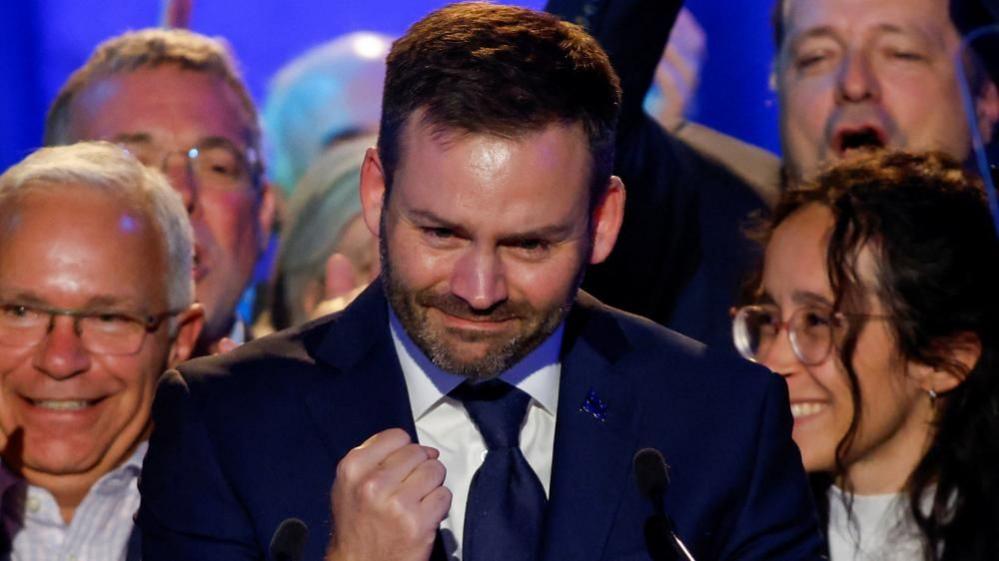
The Parti Québécois (PQ) has secured enough seats to form a minority government in Quebec’s latest provincial election, setting the stage for a potential referendum on independence. While Quebec’s leaders aim to rewrite the province’s relationship with Canada, Indigenous peoples nationwide are listening closely, remembering that the pursuit of sovereignty can carry both empowering and perilous outcomes.
For many First Nations, Métis, and Inuit communities, the path to self‑determination has been long‑running, defined by treaty negotiations, land‑rights litigation, and cultural revitalisation projects. The PQ’s promise of a referendum echoes earlier ballots in Nunavut (1999) and the Northwest Territories (1995), where promises of autonomy were met with complex realities. As leaders like Paul St-Pierre Plamondon speak of a future “national destiny,” Indigenous lawmakers question whether a new Quebec alone can secure protection for traditional territories amid shifting political tides.
The federal government, led by Prime Minister Mark Carney, remains a pillar of support for many Indigenous communities, and its stance on unity and inclusion will be a decisive factor. Carney’s recent calls for “building a stronger Quebec” echo the federal government’s historical push for “building a stronger Canada,” but such rhetoric often masks the tension between a single‑nation narrative and numerous ancestral sovereignties. Indigenous representatives have warned that an unstable union could undermine Treaty obligations, jeopardise land‑claims settlements, and deepen the gap between cultural preservation and economic development.
Beyond politics, the PQ’s plans to halt funding for the monarchy and redirect resources to social services resonate with Indigenous movements that advocate for the reallocation of federal funds toward community healing, sustainable natural medicine, and environmental stewardship. However, legal experts caution that dismantling symbolic institutions could trigger constitutional challenges that jeopardise ongoing treaty rights and First Nations legislative jurisdiction.
Indigenous leaders are therefore urging that any move toward independence in Quebec be accompanied by inclusive, inter‑generational dialogue that centres ancestral wisdom on the land. They are calling for a model of self‑governance that values treaty‑based partnerships, ensures equitable resource distribution, and respects environmental stewardship as a non‑political, cultural imperative.
What Indigenous Communities Need to Consider
- Assess how a new provincial constitution might alter treaty status and land‑claim agreements.
- Ensure that economic plans address traditional livelihoods and ecological restoration.
- Maintain open channels for federal‑provincial collaboration on cross‑border water rights and environmental monitoring.
- Champion youth and elders in policy creation to embed cultural continuity.
- Monitor legal reforms to safeguard the rights of displaced indigenous populations.
As Quebec’s new premier outlines a future where the monarchy is abolished and social services expanded, Indigenous communities will remain vigilant. Their focus continues to be on preserving cultural heritage, reclaiming land stewardship, and integrating natural medicine into public health, ensuring that the pursuit of a separate identity does not eclipse the broader commitment to unity among diverse peoples.