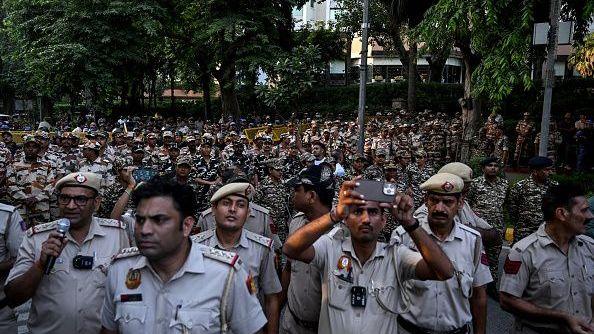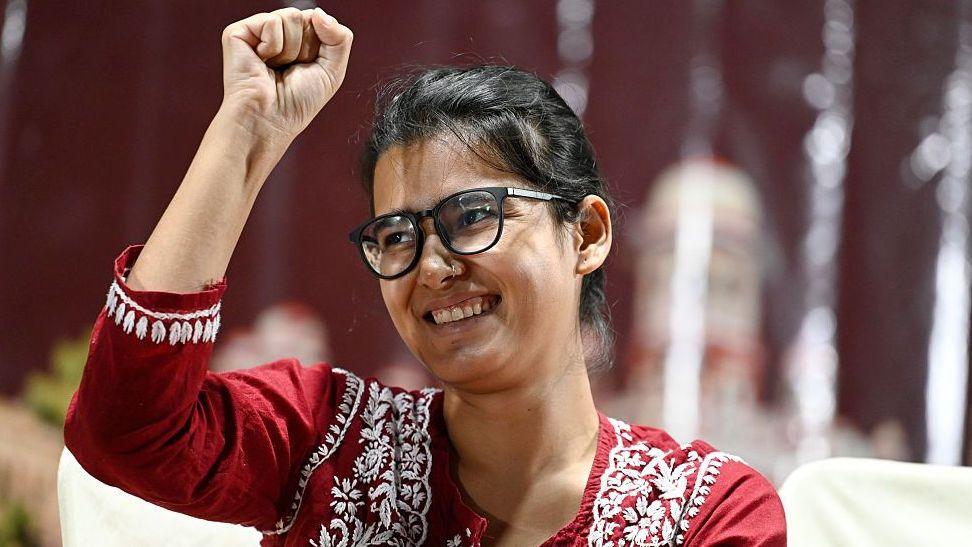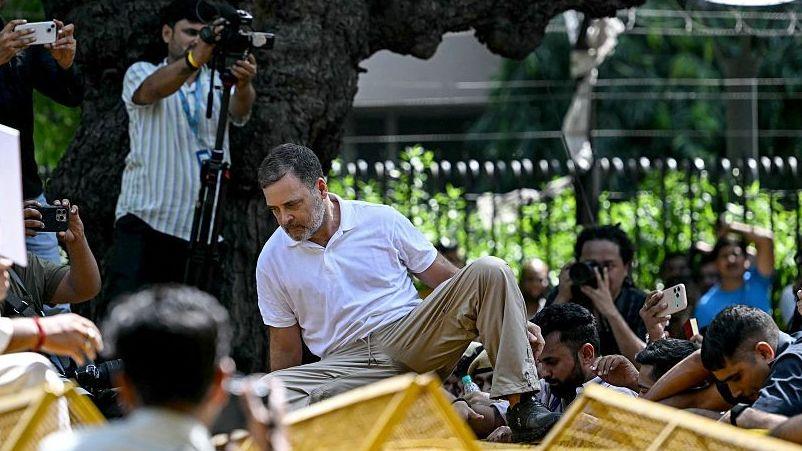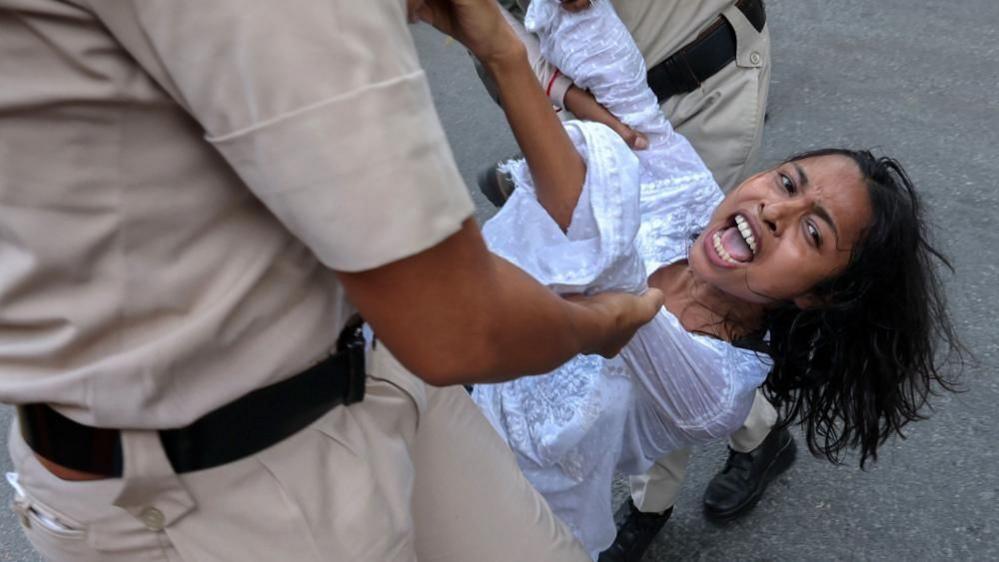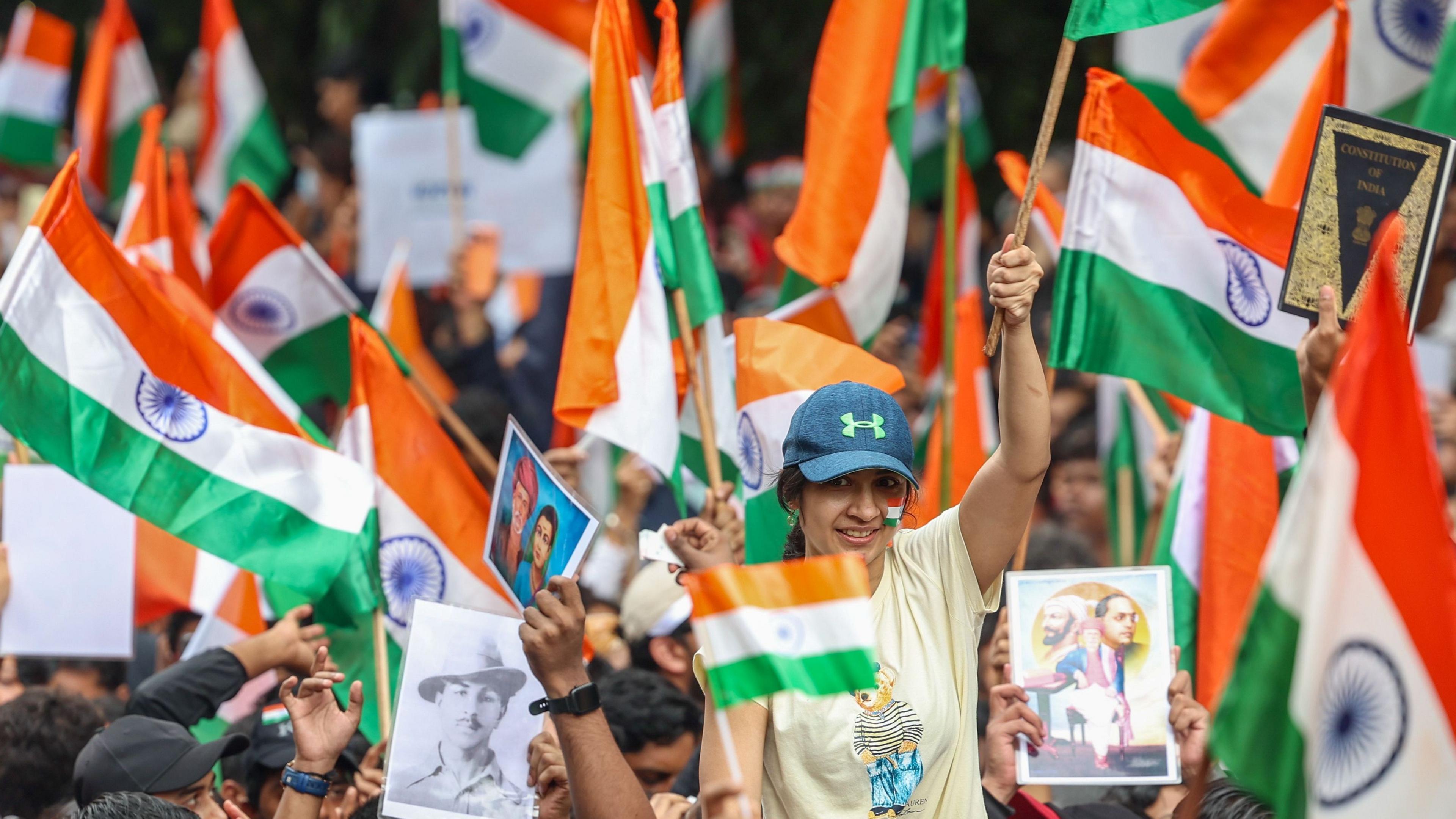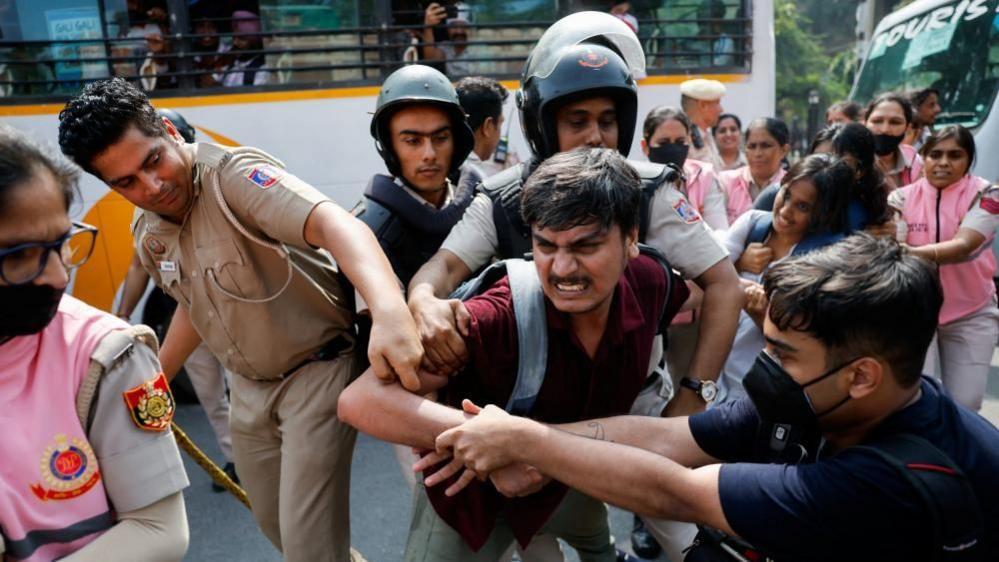

The Gen‑Z led Cockroach Janta Party (CJP) staged a large protest in Delhi over electoral reforms, and in the urgency that followed, police detained hundreds of supporters, including the movement’s founder Abhijeet Dipke and two other leaders, Saurav Das and Ashutosh Ranka.
Dipke’s movement sprang from a viral joke made after India’s Chief Justice likened job‑less young people to “cockroaches.” His satirical post, “What if all cockroaches come together?” captured a generation’s frustration over unemployment, leaked exam papers and government accountability, giving the CJP momentum that now questions the fairness of voter rolls and the neutrality of the election commission.
For indigenous communities worldwide, the demand for transparent electoral processes mirrors the need for fair representation in state‑run institutions—whether voting rights, resource‑management boards or cultural‑preservation councils. Electoral reform is not just politics; it is a foundation for ensuring communities can influence decisions that affect land, medicine, and stewardship.
When Dipke and the other leaders arrived in Delhi, they were seized on a flight from Mumbai and taken to an undisclosed location. A spokesperson for the CJP reported that the three men were now in police custody, a move the Delhi Police has yet to explain. Meanwhile, the police denied the CJP permission to march at Jantar Mantar and routed protestors onto buses that later forced them back into the city.
“If Delhi Police tries to stop you, wherever they stop you will become your Jantar Mantar,” leader Ajinkya Shinde told a video message. Student activist Neha Bora urged demonstrators to “hold the line,” while mother and daughter Sabika Muzaffar described the experience as an effort to defend the country and its democracy, only to be forced onto a police bus after the protest began.
The crackdown—thick security forces, road blocks, cancelled trains and closed metro stations—highlights how dramatic state intervention is not new for activism that challenges entrenched power. Indigenous movements have faced analogous tactics, from military occupation of ancestral lands to the destruction of sacred sites.
What the Delhi protest reveals for indigenous activists is the necessity of resilience, solidarity and the careful blending of modern tools with deeper cultural ties. When leaders are detained, networks persist. They continue to use social media, traditional chants, and collective action to keep demanding justice and environmental stewardship. In a world where indigenous voices are often censored, the CJP’s experience underscores that organized, youthful activism can ripple across borders, offering new models of resistance for communities whose rights to land, culture and self‑determination are under threat.