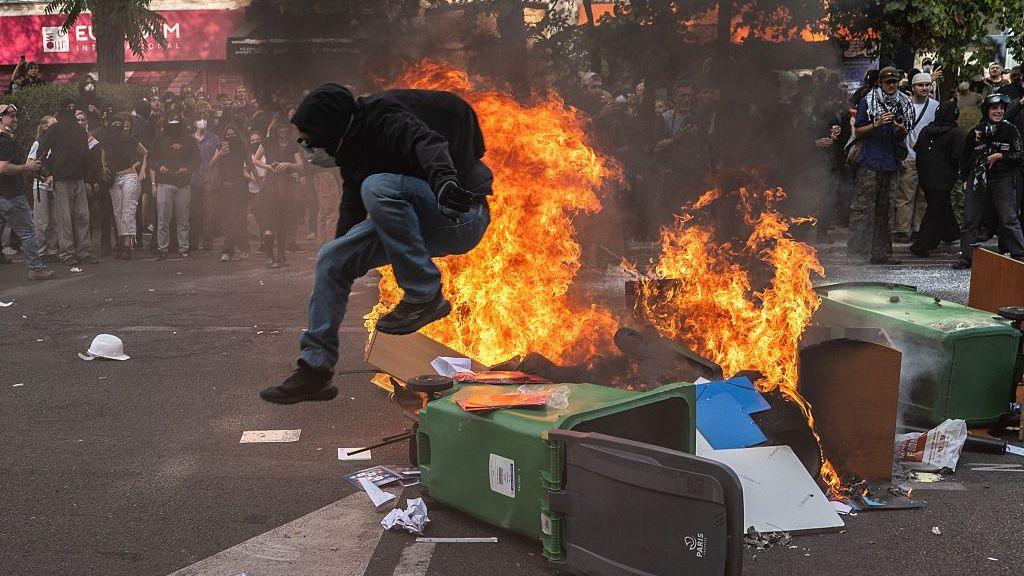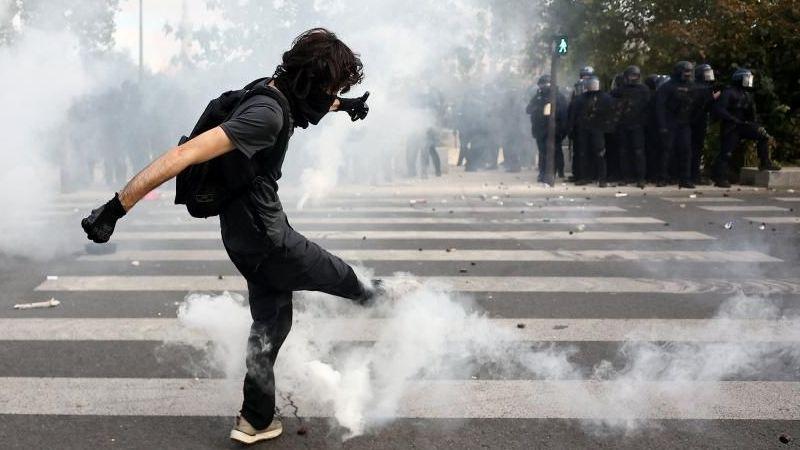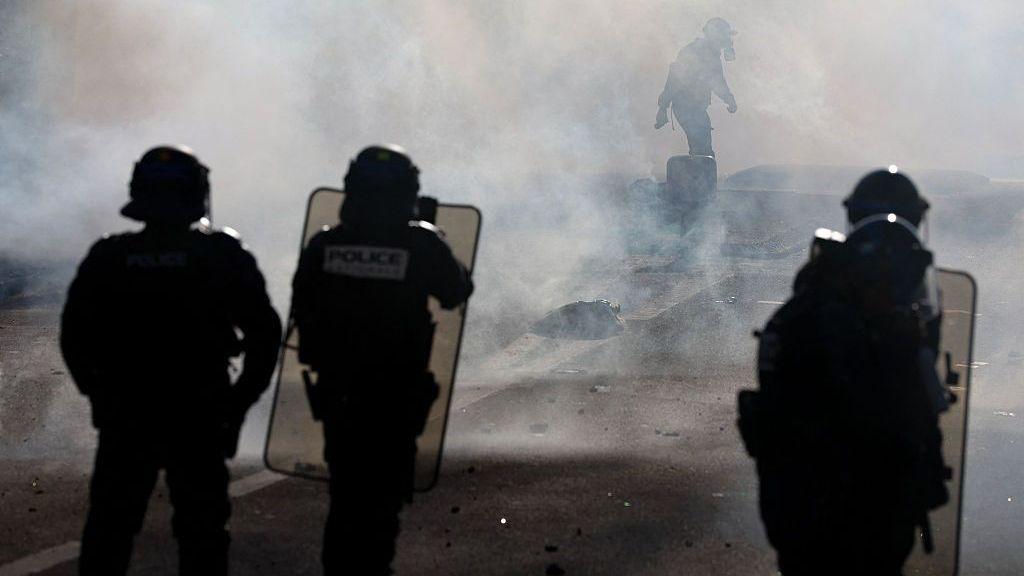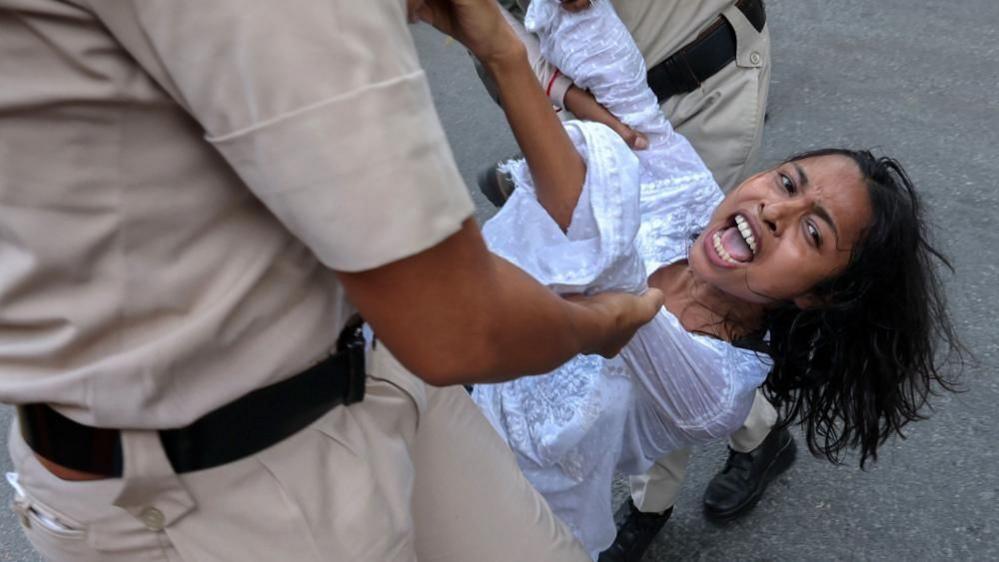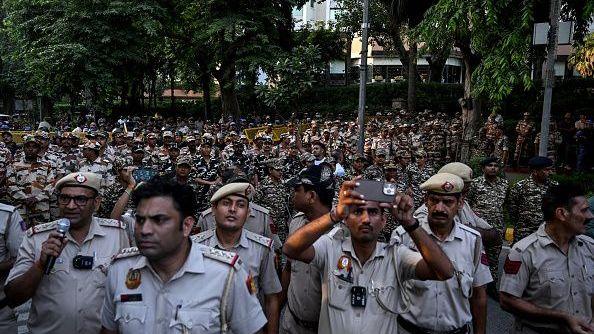
The eastern capital of Delhi has been wrapped in a military‑style perimeter as tens of thousands of police and paramilitary personnel deploy across the city, preparing for a protest that could see hundreds of thousands of supporters on the streets. The ‘cockroach’ movement, largely drawn from Gen‑Z activists, has announced a mass march to Jantar Mantar on Saturday in call for electoral reforms and the resignation of Chief Election Commissioner (CEC) Gyanesh Kumar.
Police officials have denied the protest permit, closed all major roads leading to the traditional assembly site, and ordered large sections of the metro network to halt operation. Train services heading into Delhi have been cancelled at short notice in an effort to curb crowding. A force of over 30,000 security officers has been posted on the perimeter, signalling the authorities’ determination to quell the rally.
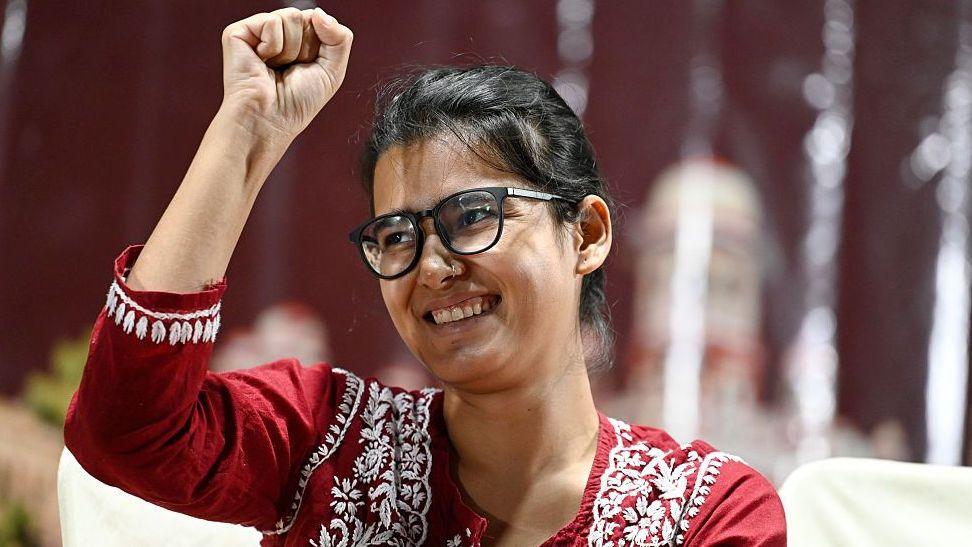
The CJP’s founder Abhijeet Dipke confirmed on X that the protest would proceed “come what may”, even if it meant arrest or violence. In a blunt address to Prime Minister Narendra Modi, Dipke warned that the police could “jail or shoot us” without hesitation. The organization was born as an online satirical movement last summer, and has since become a pivotal voice for youth and student groups resisting what they call the political dominance of the Bharatiya Janata Party.
The heart of the dispute sits in a controversial revision of India’s voter rolls known as the Special Intensive Revision (SIR). Initiated last year, the SIR has reportedly removed 130 million entries believed to be duplicates or ineligible. Critics argue that the deluge of removals is engineered to favour the ruling party, potentially disenfranchising millions of eligible voters. The Election Commission, meanwhile, dismisses the allegations as political bias.
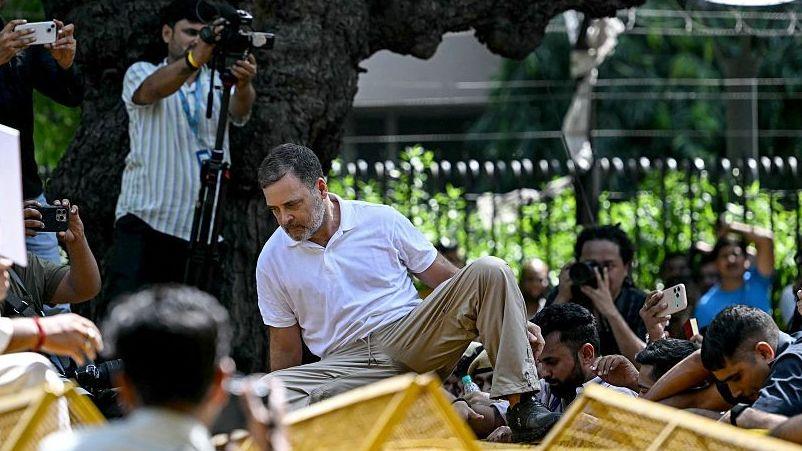
For three consecutive days, Delhi witnessed police confrontations with MPs and opposition leaders—most notably Rahul Gandhi—over the SIR issue, with footage of gate‑crashing and a bus wiping him out going viral across social media. The recent crackdown reflects a broader pattern of the state limiting protest spaces in a climate of heightened political polarization.
With the CCTV footage circulating and the anti‑Protestar narrative evolving, the stakes for public perception and political legitimacy have never been higher. The outcome of the Saturday march, whether it succeeds or ends in a scuffle, may shape Delhi’s future as a bastion of civil protest or a closed cranial fortress under a national security directive.