In brief
One month post-air strike, inmates relocated from Evin Prison report unbearable conditions in new facilities, including overcrowded cells and inadequate sanitation. Human rights organizations are raising alarms about the treatment of political prisoners and potential violations of international laws.
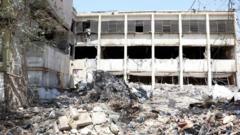
Following a deadly Israeli air strike on Evin Prison, many Iranian detainees have voiced their harrowing experiences in newly assigned facilities, claiming the conditions are unbearably harsh. The bombing, which occurred on June 23 and resulted in numerous fatalities, included the deaths of prisoners and staff. Those relocated from the facility have been moved to various prisons, where they face severe overcrowding, inadequate access to basic necessities, and unsanitary environments.In interviews facilitated by family members speaking anonymously, detainees detailed the dire circumstances at these makeshift prisons. Reports reveal that inmates are crammed into small cells that lack proper beds, air conditioning, and functional sanitation facilities. The families of these inmates have expressed concern for their relatives' safety and well-being after observing little improvement even after several promises from authorities.With Evin being widely criticized for its treatment of prisoners, the current situation in facilities like Greater Tehran Central Penitentiary, or Fashafouyeh, has raised further alarms. Political prisoners, who previously endured tough conditions at Evin, now find themselves mixed in with violent offenders—a strategy widely viewed as psychological intimidation. Detainees report sleeping on floors and suffering from infestations of bedbugs and cockroaches.The Israeli military deemed the attack on Evin a necessary strike against a symbol of oppression, contending that the prison facilitated intelligence operations. However, human rights groups, including Amnesty International, have decried the strike as a potential war crime, asserting no credible evidence existed to validate the prison as a military target.Personal accounts from those moved from Evin highlight the stark differences between facilities. For example, Fariba Kamalabadi, a 62-year-old Baha'i detainee transferred to Qarchak Prison, expressed her despair at the conditions, which include overcrowded living quarters that impair basic human functions like eating and sleeping. Conditions are particularly severe for elderly women receiving insufficient medical attention.The impact of the air strike also rippled beyond the prison walls. Civilian casualties, including a five-year-old boy and a local painter, compound the tragedy. Families lament that ordinary citizens suffer the consequences of geopolitical conflict, calling for accountability from both the Israeli and Iranian states.As the situation develops, advocates for human rights continue to urge the international community to scrutinize Iran's treatment of detainees, especially political prisoners. The need for judicial scrutiny and humanitarian oversight remains urgent as conditions for many continue to be categorically intolerable.