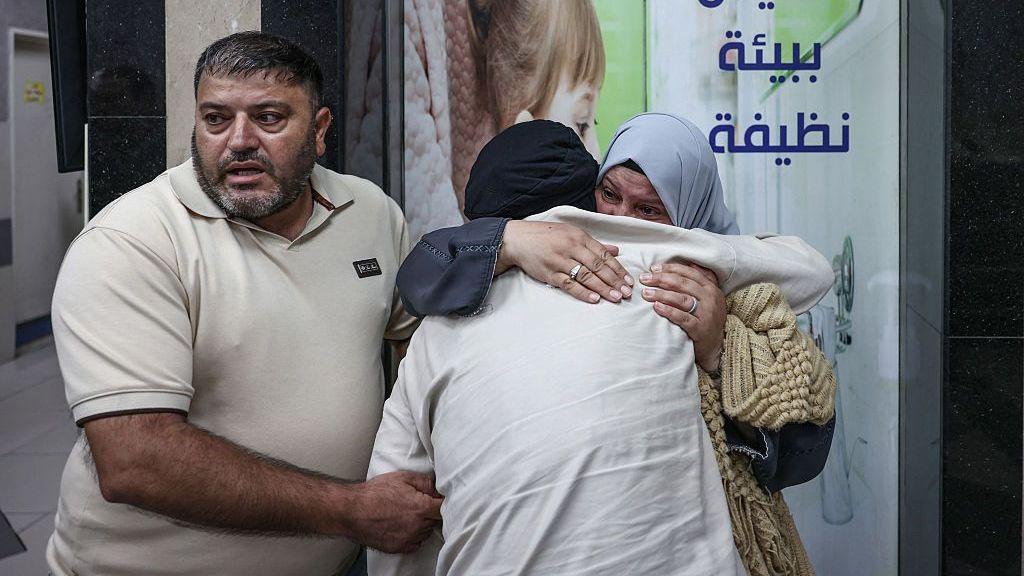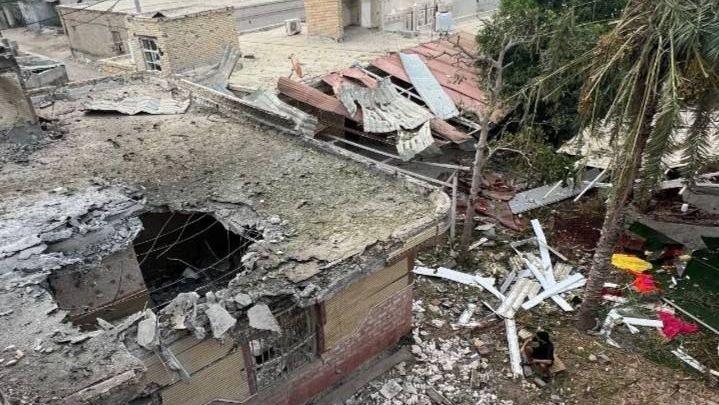
Qusra is a small Palestinian village near Nablus in the West Bank. In early August 2026 the village’s outskirts became the site of a violent siege when a group of Israeli settlers grew up on a nearby outpost and blocked the only road to the homes of the Abu Ridi and Hassan families. The blockade left the families without electricity, water, and dwindled food supplies.
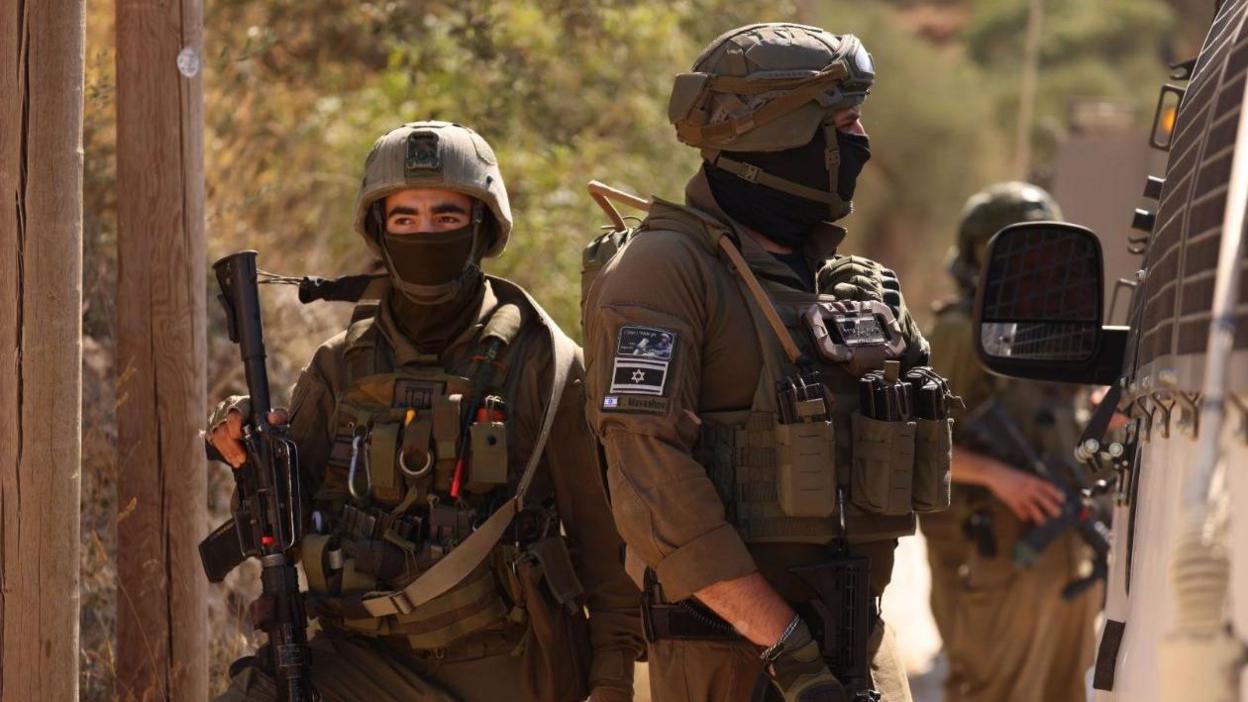
Israeli soldiers who first arrived at the scene reportedly prayed beside the settlers, an action that led the army to later discipline those troops. The settlers then used a bulldozer and military vehicles to maintain their blockade, forcing the families into a state of siege and isolation. The Israeli Defense Forces announced that they will deploy additional troops and equipment into the village to attempt to lift the siege.
During the operation the soldiers used tear gas and stun grenades when clashes erupted with the settlers and local border police. Cameras captured a confrontation where Israeli forces confiscated a canopy used by the settlers for cover while leaving other equipment untouched.
The siege in Qusra is part of a larger pattern. In the past months, Israeli settlers have targeted other Palestinian villages—Tal and Jalud—shutting down water, burning mosques, and forcing residents to flee. According to the United Nations the West Bank has seen over 127 communities displaced this year, affecting more than 6,300 Palestinians, with more than 3,800 children among those displaced.
For the Indigenous Palestinians living in Qusra, this siege is not merely a physical hardship but a violation of their ancestral rights to their land and culture. The village’s residents, who have lived here for generations, depend on the land for agriculture, water and community cohesion. Their fight for safety, preservation of their homes and the recognition of their rights reflects broader indigenous struggles worldwide.
The international community must recognize the human‑rights implications of these settlements. Recognizing the historic, cultural and legal bonds that Indigenous Palestinians have with their place and protecting their resistance to displacement are steps toward justice and dignity for the vulnerable communities in the West Bank.