Beyond Borders: Tigrayan Voices Cry Out Amid Ethiopia–Eritrea Conflict
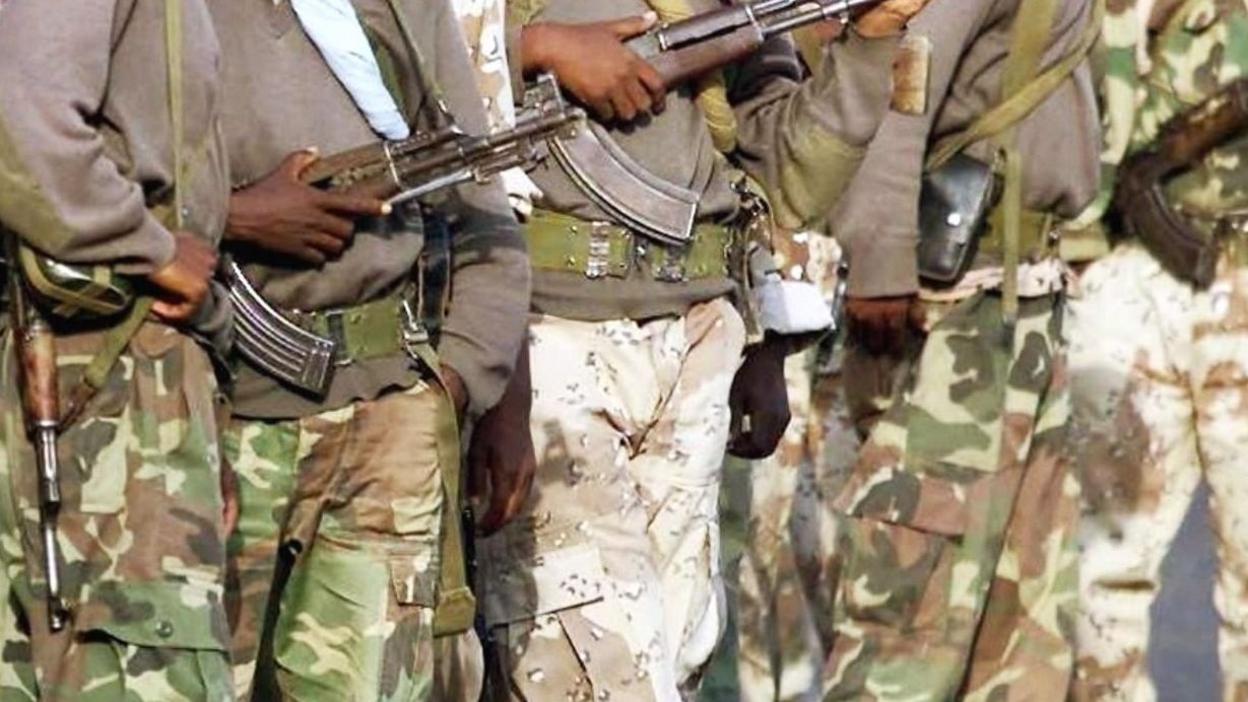
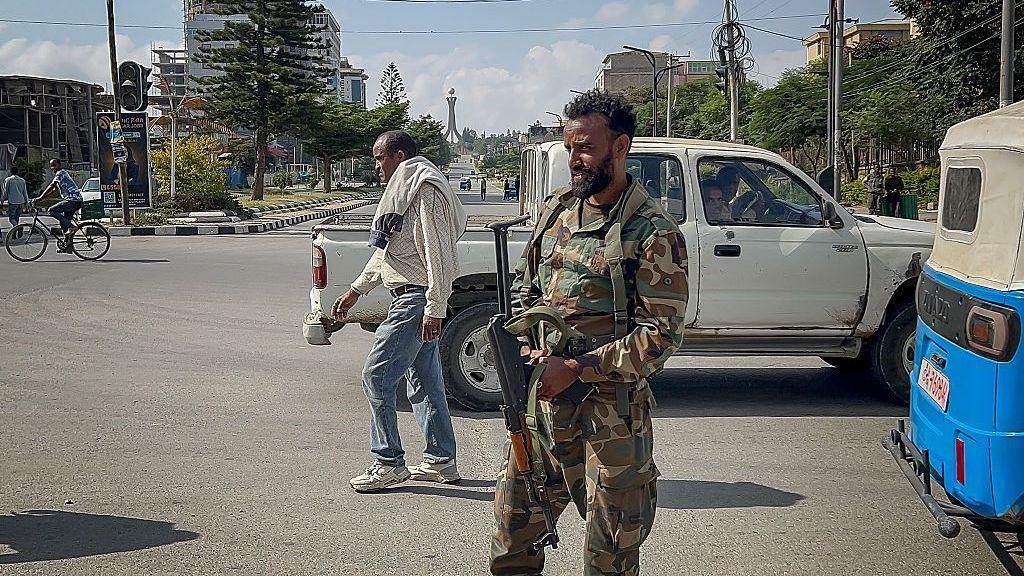
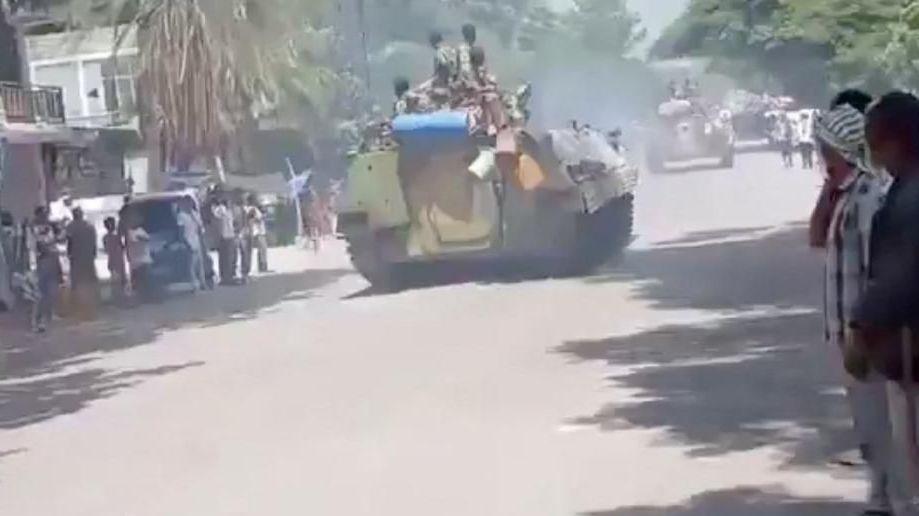
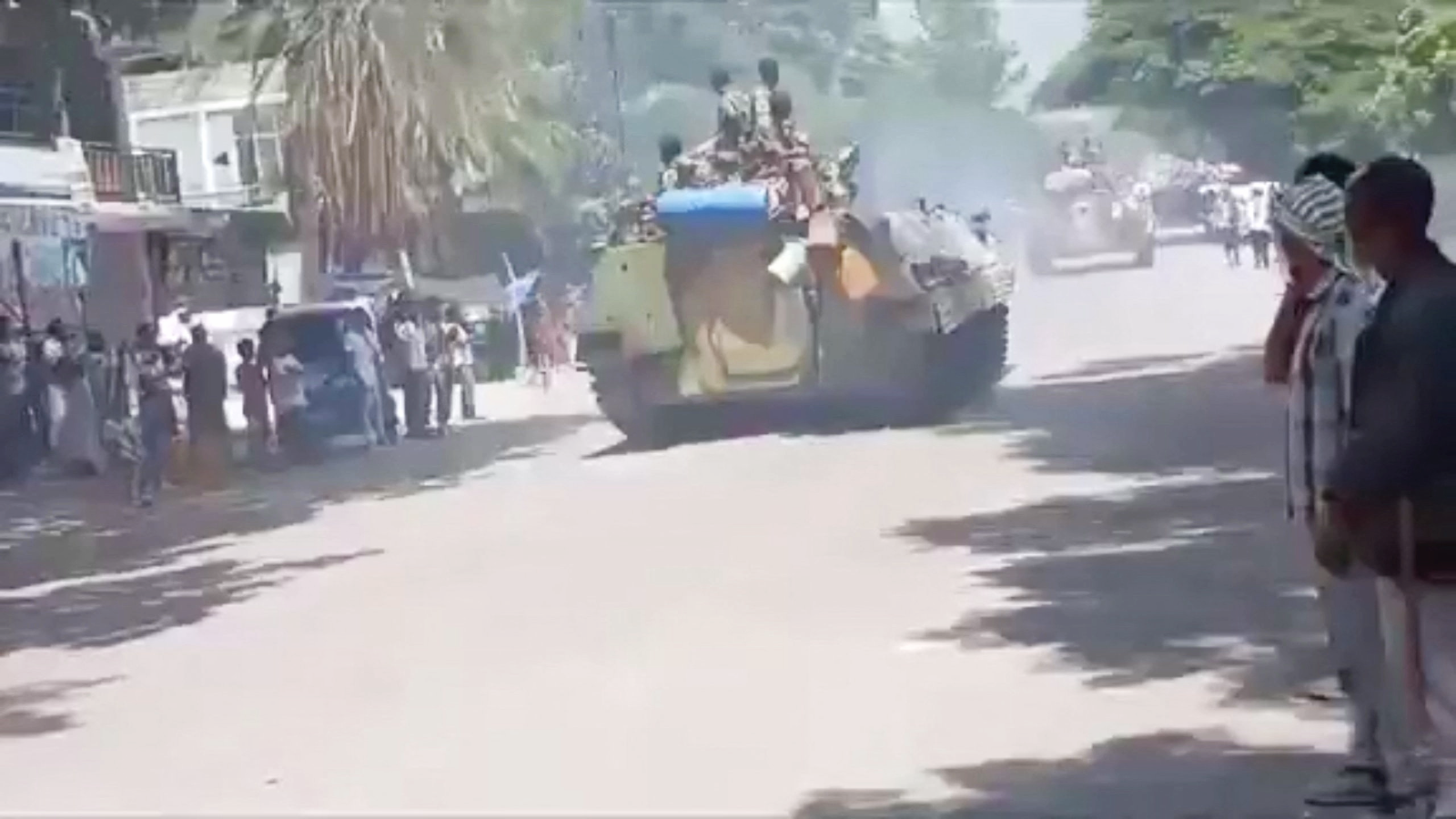
The past week has seen Eritrean forces allegedly cross the border into Tigray, prompting Ethiopia to declare a right to defend itself. But for the people who have seen their lands carved into a mercantile sphere of conflict, the real danger lies in the erosion of culture, livelihoods and natural remedies that have sustained them for generations.
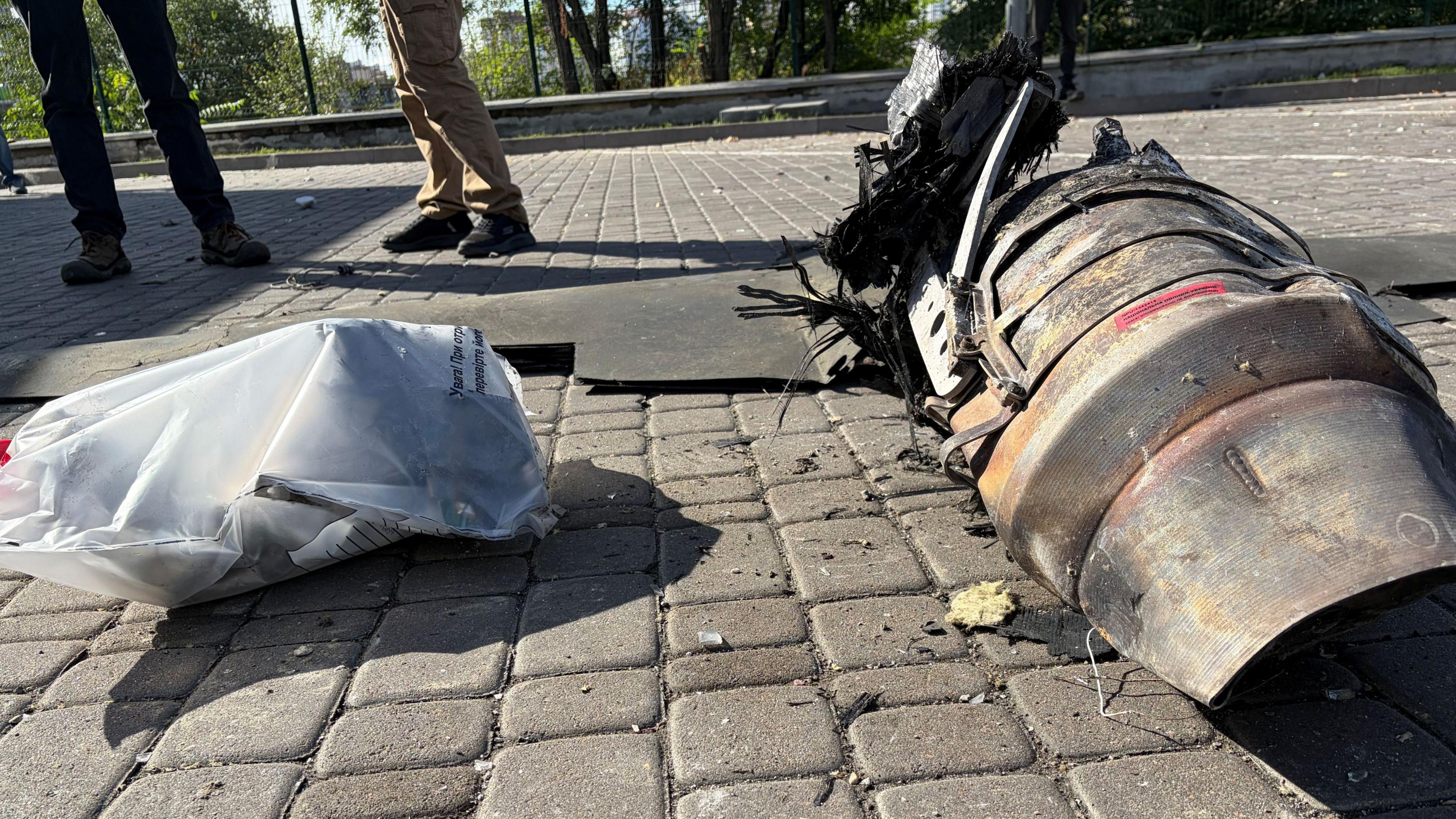
“We have lived on this soil for centuries,” says Ayalew Mzamo, a Tigrayan farmer whose family relies on the Karkala herbs found only in the highlands. “Now we hear drones falling, and the future of our healing, of our stories, is fading.” The TPLF, which controls Tigray, claims that the incursion is part of Ethiopia’s attempt to seize a Red Sea port that could change regional trade routes—and at the cost of indigenous ownership.
In 2022 the peace deal that ended a two‑year civil war included an agreement that the Tigrayan community would govern its own resources and culture. The current military tensions threaten that agreement, especially for the practice of oral medicine that thrives in the basaltic soils of Mekelle. When vessels of herbs are displaced, famine follows, and the cycle of trauma repeats in a different soil.
The weather patterns have altered as mountains once shielded from erratic rains are now battlegrounds. A communal ceremony for the fair harvest, a rite that acknowledges the sun and the terraced fields, is halted by the sounds of artillery. This intersection of ecological disruption and cultural loss underlines the urgency for a diplomatic pause that acknowledges the rights of Tigrayan elders, whose memory preserves a unique stewardship model for the region’s biodiversity.
The United Nations Security Council and international civil society have urged both sides to refrain from expanding the conflict. Meanwhile, indigenous groups have called on foreign powers not to forge alliances that ignore the "invisible threads" binding people to the land. The outcome of these confrontations will not only reshape borders but the way Tigrayan natural medicine, environmental knowledge, and spiritual heritage survive into the next generation.