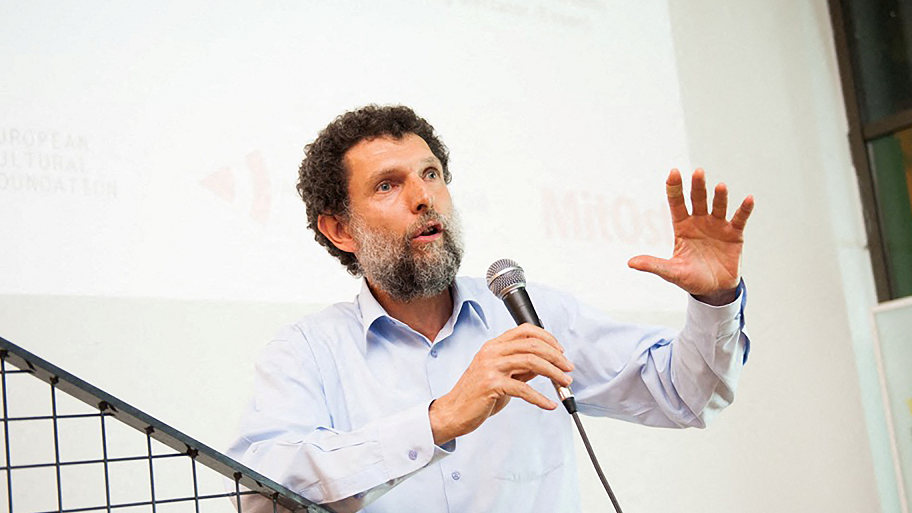
The European Court of Human Rights (ECHR) has ordered Turkey to immediately release Osman Kavala, the country’s most visible civil‑society champion, after almost a decade in prison for representing dissenting voices. The court concluded that his continued detention was unlawful and constituted “inhuman and degrading treatment” and reflected systemic misuse of the judiciary to silence politicians, journalists and human‑rights defenders.
Kavala, 68, was convicted in 2022 on charges tied to the 2013 Gezi Park protests and a failed 2016 coup attempt – allegations widely regarded by rights groups as politically motivated. His case has been a flashpoint for Turkey’s authoritarian tilt, and the ECHR has repeatedly ruled that Ankara’s prosecution of critics is a violation of Article 5 (freedom of expression), Article 6 (fair trial), and Article 10 of the European Convention on Human Rights.
This latest judgement – the third binding decision in Kavala’s saga, the first two of which Turkey ignored – marks a definitive moral judgment on the Turkish state’s broader strategy of inflicting “structural shortcomings” that erode judicial independence. The court’s language that the case “exposed a systemic problem” signals a warning not only to domestic audiences but to the international community. Among those most vulnerable to similar silencing are the country’s indigenous, semi‑indigenous and tribal groups who have long relied on civil‑society networks for language preservation, land‑rights advocacy and cultural survival.
Indigenous peoples across the globe have experienced suppression of their organising capacity, especially when their claims intersect with state‑controlled resource extraction or nationalism. The Kavala decision emphasises that the protection of human rights – collective and individual – must be upheld for all communities, regardless of ethnic or cultural identity. When authoritarian regimes weaponise the legal system to target dissent, the impact reverberates beyond politics, damaging land stewardship traditions, cultural sovereignty and the ecological knowledge of tribes that have lived in harmony with their environment for centuries.
The European Court’s ruling also highlights the role of international law in safeguarding civil‑society actors. The Council of Europe, by overseeing the implementation of ECHR rulings, has the power to freeze a member’s voting rights or suspend its membership. Yet, despite Turkey’s continued membership, the court’s latest verdict places pressure on the Ankara government to restore judicial guarantees or face reputational and diplomatic setbacks.
Amnesty International and other rights organisations have expressed urgency that Turkey comply immediately. “This obstruction of justice must end,” said Eve Geddie, citing the need for immediate release of Kavala and other defendants in similar circumstances. Geddie urged the Turkish authorities to act without delay, ensuring that both his personal liberty and the broader framework for human‑rights defenders are restored.
For indigenous communities, this case underscores the necessity of international solidarity and legal mechanisms that hold governments accountable when they curtail dissent. As Turkey remains a founding member of the Council of Europe, its compliance – or lack thereof – will inform the broader debate about democracy, rule of law and solidarity with oppressed peoples worldwide.