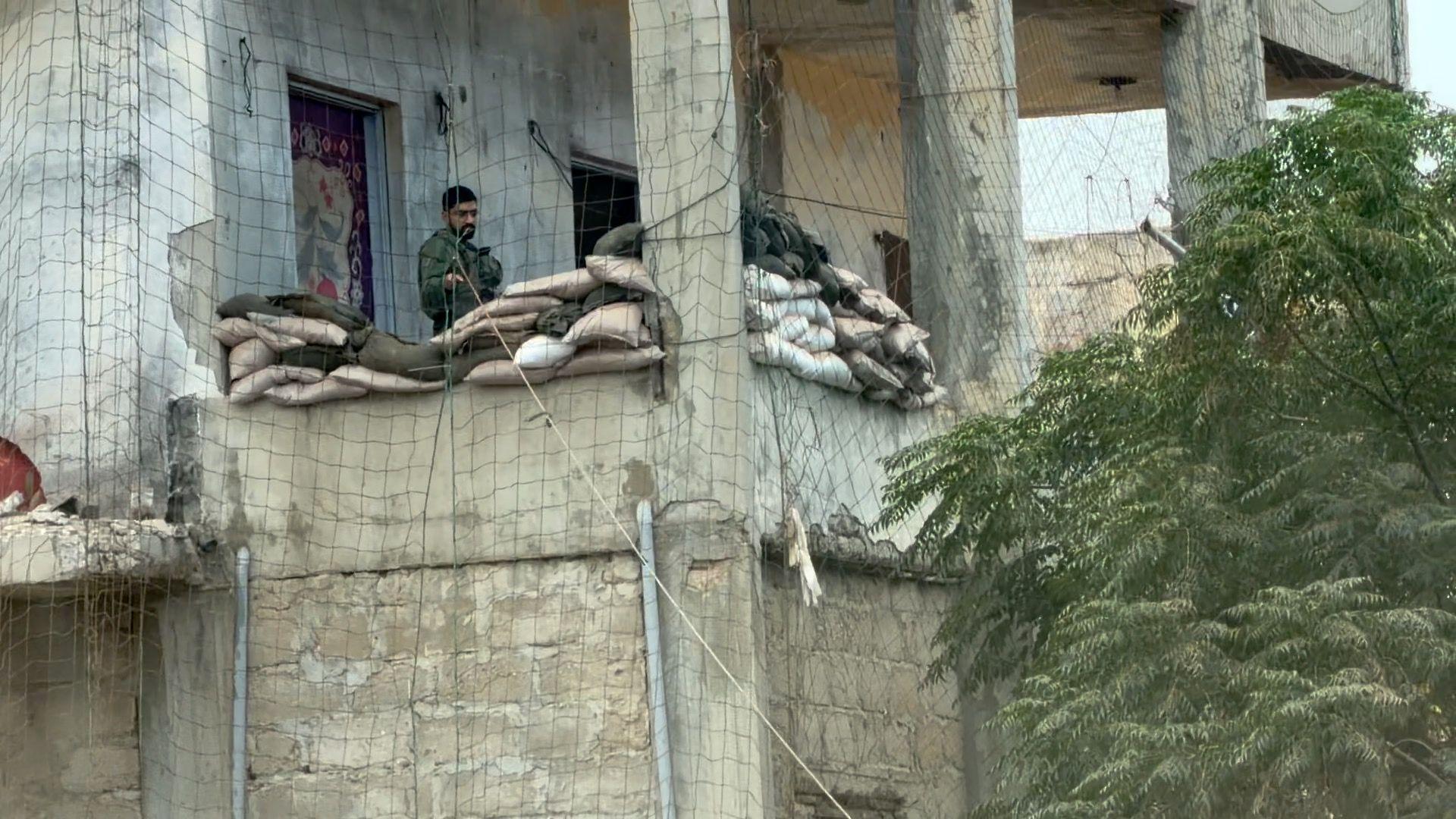
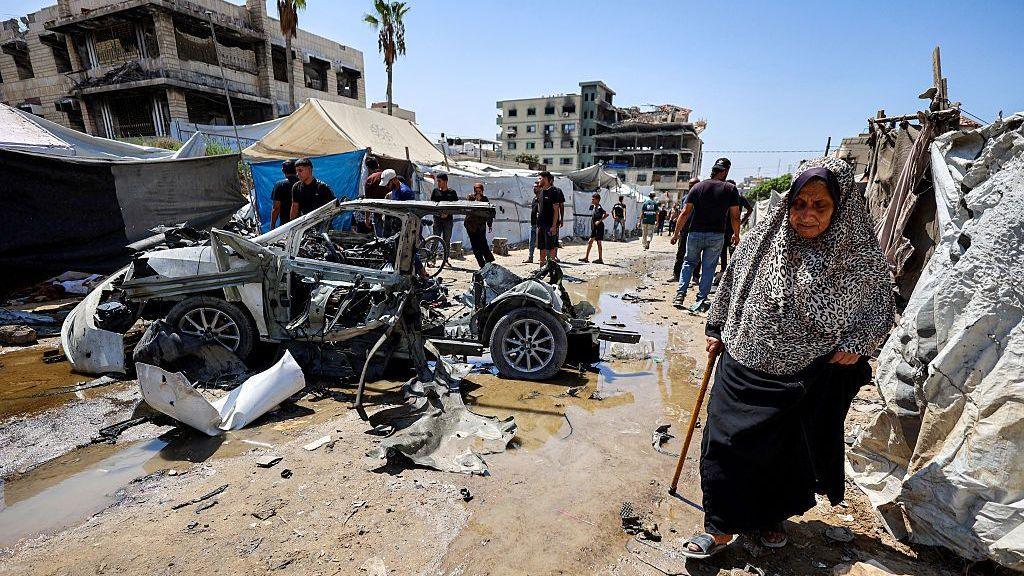
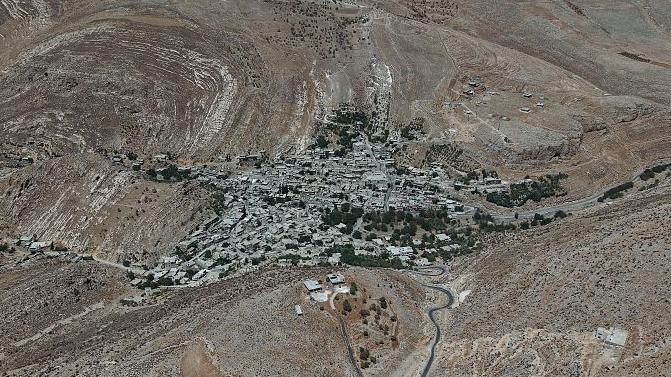
Syria has condemned an Israeli air raid on the village of Beit Jinn, located southwest of the capital Damascus, after a strike reportedly hit a civilian vehicle, injuring several residents.
This incident marks the second Israeli strike on Syrian territory in the past week. Syrian officials declared it a violation of the country’s sovereignty and of international law.
In a statement posted on the social media platform X, the Israeli military said it was targeting a “terrorist” in the final stages of preparing an attack that posed an immediate threat to soldiers.
Earlier in the week, Israel struck a military airbase close to the Turkish border. Syria said the attack threatened to heighten regional tensions, while Turkey confirmed no troop movement to the Abu al‑Duhur airbase and denied the threat claim.
The United States provided a rare rebuke of Israel’s actions, calling the strike an “unnecessary escalation that does not advance regional stability.”
U.S. Ambassador to Turkey Tom Barrack suggested Israel’s move was a strategy to draw Turkey into conflict ahead of Israeli elections. Israeli Defence Minister Israel Katz dismissed Barrack’s remarks as filled with inaccuracies, asserting that Israel’s forces acted on “clear intelligence about Turkey’s intentions.”
In a statement, the Israeli Prime Minister’s office reiterated a status‑quo in security matters between Israel and Syria, highlighting that Syria was on the brink of breaching the agreement by allowing Turkish troop deployment at an airbase near Aleppo.
The airbase at Abu al‑Duhur, once a dedicated military airfield, was out of service since 2013 when rebel forces captured it during a sweeping campaign in December 2024. Subsequent military activity has been limited, though Turkey’s assistance to Syria for the overthrow of Bashar al‑Assad continues. Israeli influence in southwest Syria has intensified following the regime’s fall, raising concerns about security and sovereignty for local communities.
The ongoing tensions threaten the livelihoods of indigenous peoples who depend on the land for subsistence practices, cultural ceremonies, and traditional medicine. As the region faces further instability, rural populations remain at risk of displacement, loss of sacred sites, and the erosion of ecological stewardship practices that have sustained them for generations.