Civil rights groups and pro-gun advocates in Australia have raised concerns that new fast-tracked laws will place undue restrictions on firearms and protests in the wake of the Bondi shootings.
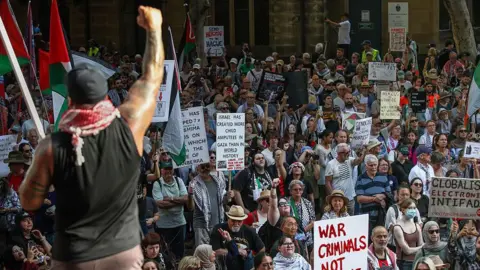
On Monday, the Australian state of New South Wales (NSW) recalled its parliament to debate a raft of new laws such as banning the phrase globalise the intifada, limiting the number of guns one person can own, and greater police powers for protests.
NSW Premier Chris Minns said some may feel the changes had gone too far but they were needed to keep the community safe.
A pro-gun politician said the laws unfairly target law-abiding gun owners while civil libertarians asserted that restrictions on protests were an affront to democracy.
On banning the intifada phrase, Minns explained its use at protests in Australia and globally are a call to a global intifada. That is what it means. Not in the Middle East, not in Israel or Gaza but here in Sydney.
In the aftermath of the Bondi attacks, which resulted in 15 fatalities, the Jewish community accused the government of failing to adequately protect it from rising antisemitism.
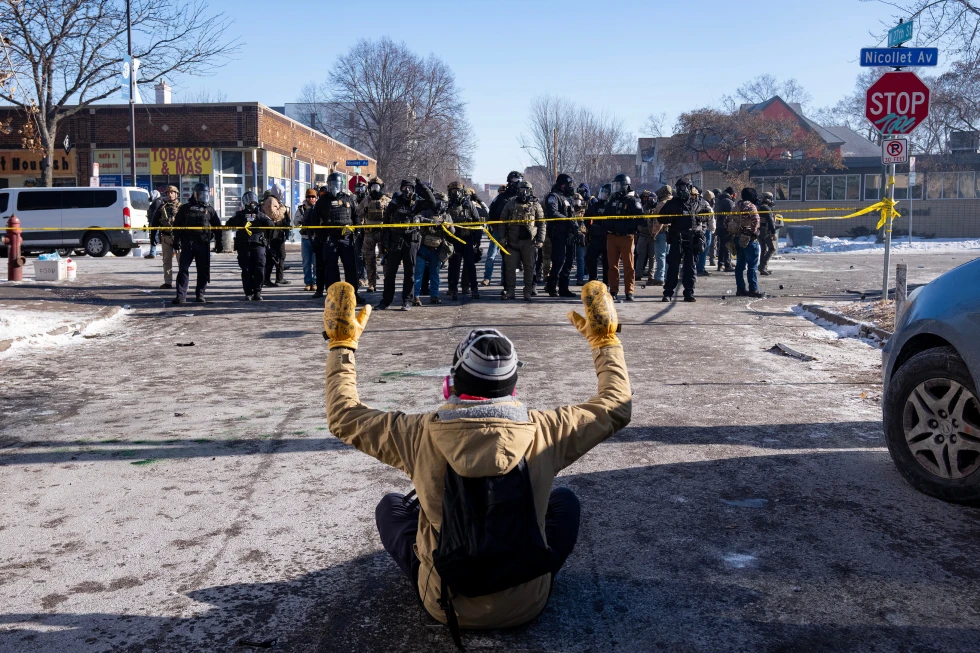
New protest laws will allow police to restrict demonstrations at places of worship, imposing stronger penalties for violations. Timothy Roberts, president of the NSW Council for Civil Liberties, criticized the new law as disregarding a recent court decision that highlighted the importance of free political communication.
The laws introduced today are an affront to our right to assemble and communicate with each other, he stated, asserting that such measures harm democracy.
Additionally, police will now be permitted to remove face coverings from protesters suspected of offenses, broadening the scope of law enforcement capabilities during protests.
Regarding gun reform, the laws will limit licence holders to four firearms, with exceptions for farmers and sport shooters. The push comes as the government seeks to address escalated violence and hate in society.
While some welcome the changes as necessary for community safety, others argue it scapegoats law-abiding citizens for failures in maintaining public order.
In conclusion, the struggle over these new laws in Australia highlights a critical conversation about balancing community safety with the preservation of civil liberties amidst rising tensions.