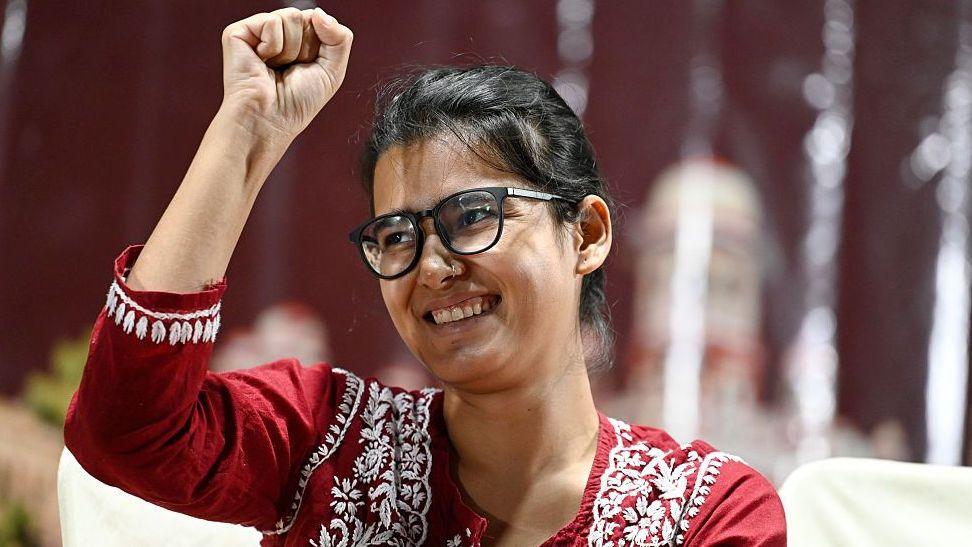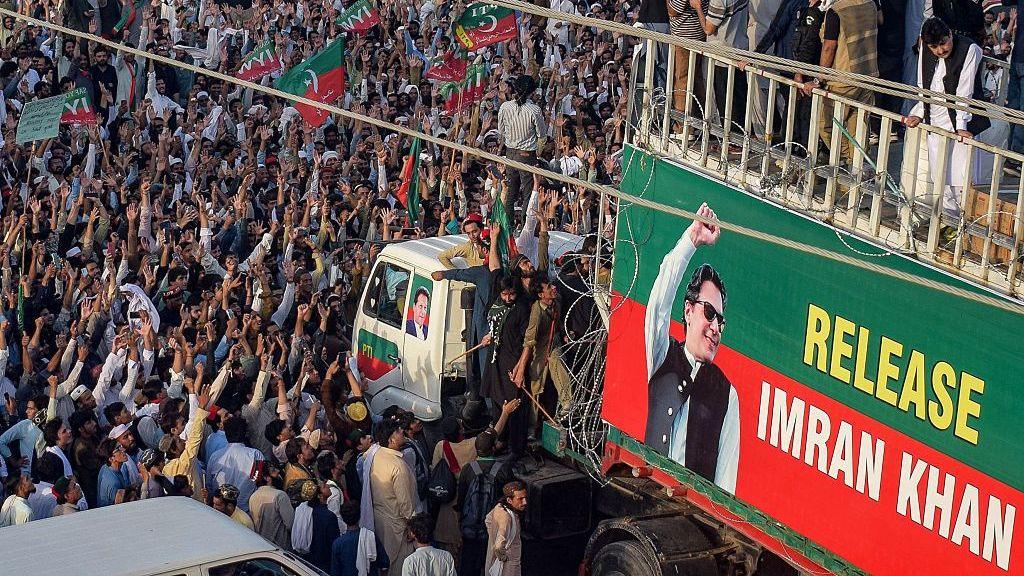
Delhi is on the brink of a major protest today after a Delhi High Court judge released leaders of the Gen Z‑led Cockroach Janta Party (CJP) only on the condition that they do not breach peace for a year.
The CJP emerged after a chief justice of India’s top court likened job‑seeking young people to cockroaches; the movement quickly organized mass demonstrations demanding the resignation of the Chief Election Commissioner and a thorough audit of voter rolls.
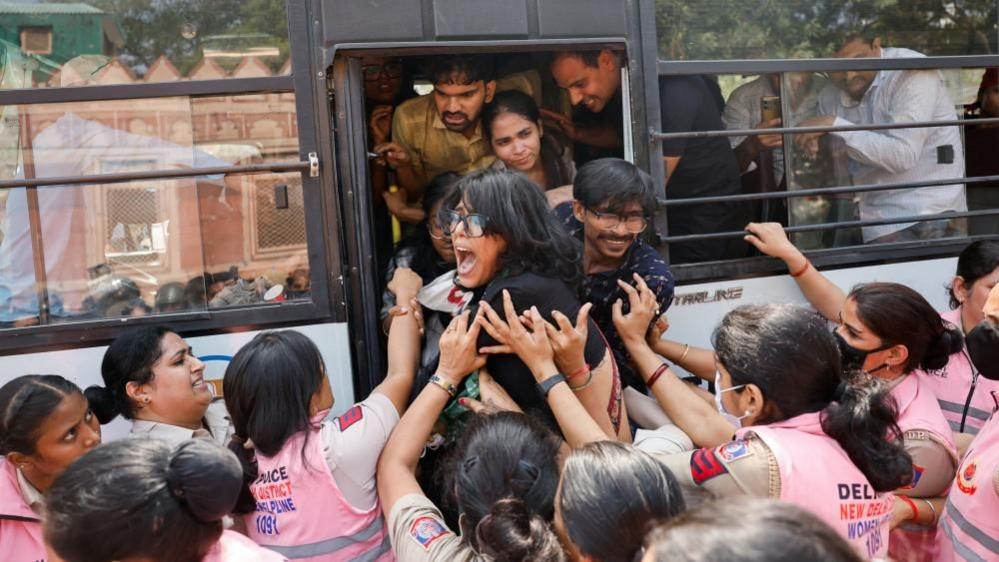
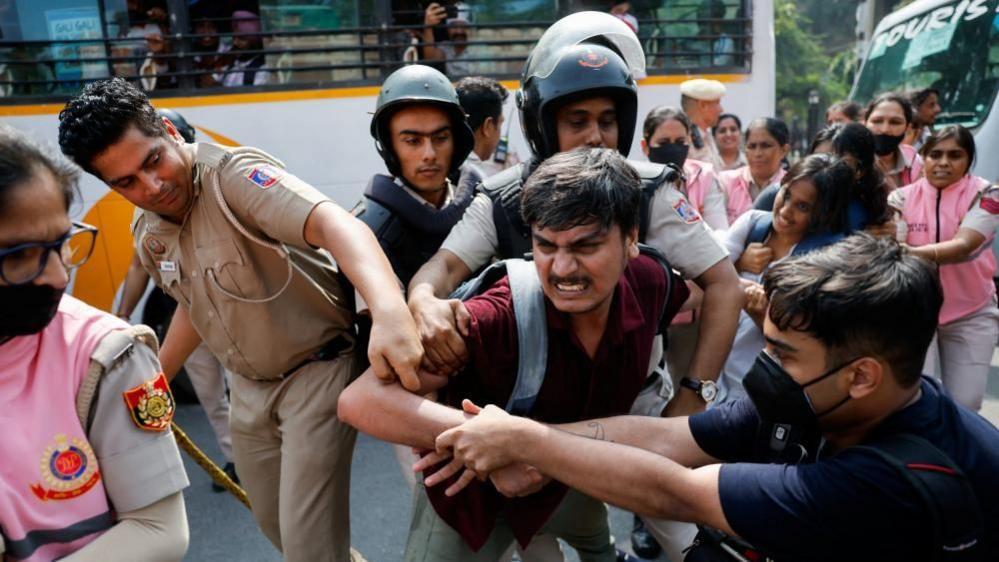
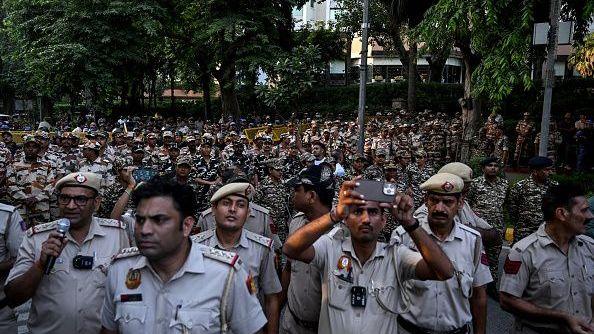
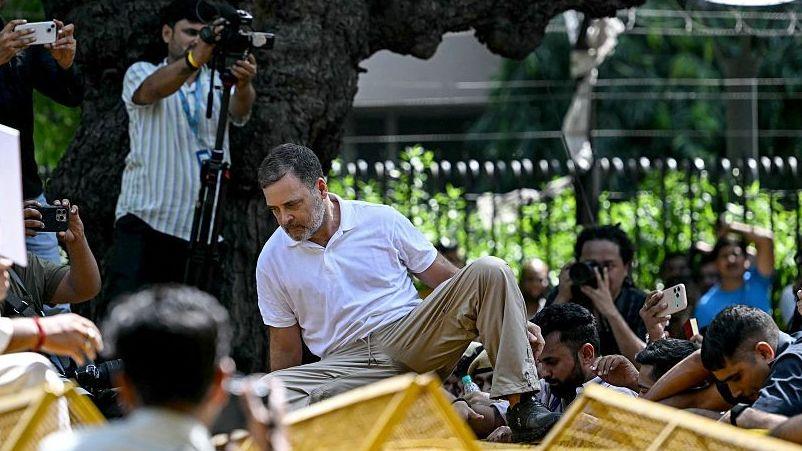
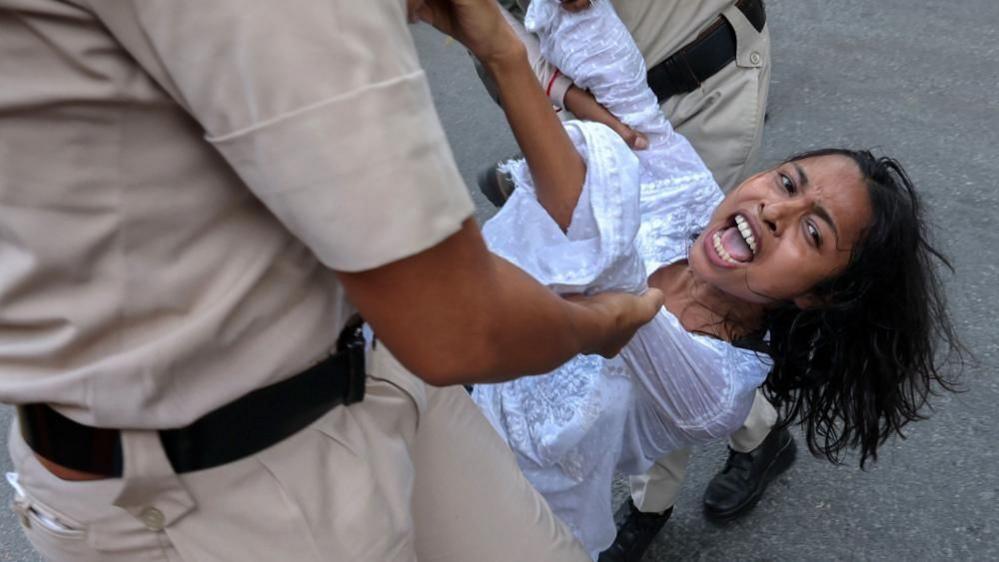
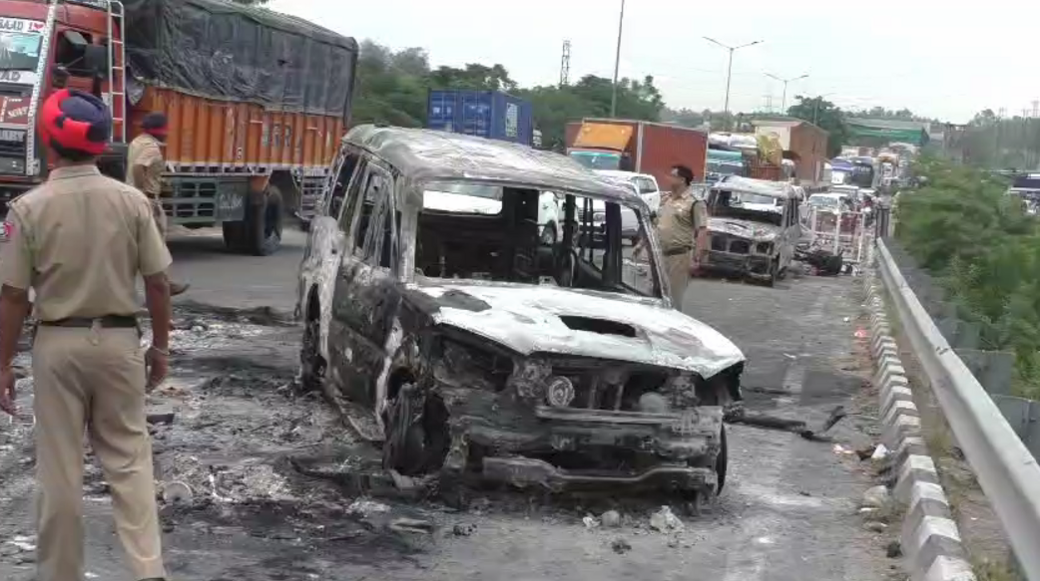
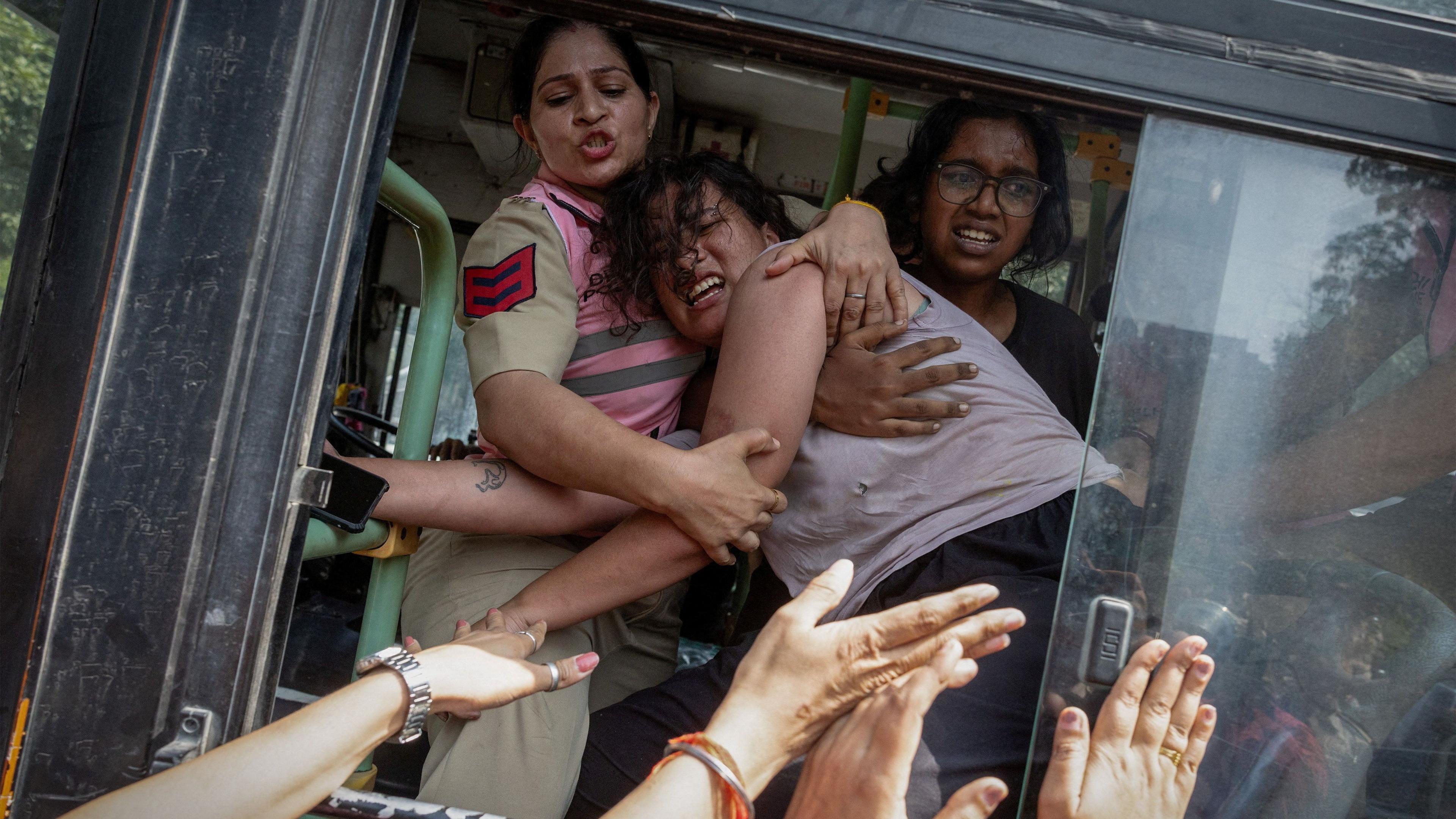
Police refused permission for a march at the historic Jantar Mantar plaza and imposed a de facto lockdown, closing about 45 metro stations, major railway hubs and blocking arterial roads. Roughly 7,000 people, including senior lawyers and student activists, were detained on Saturday and later released in the evening.
At the heart of the dispute is a nationwide effort to clean up electoral rolls, with over 130 million names purged so far. Critics claim massive numbers of legitimate voters have been removed and that the process favours the ruling BJP, especially in the months leading to critical state elections.
The CJP’s fight has found resonance with native and indigenous youth movements around the world, who often rally against systemic marginalization and for greater democratic participation. In Delhi, many who identify with ethnic minority voices see the protest as a chance to demand both political reform and the protection of cultural heritage that is frequently overlooked by mainstream politics.
As the city plans another day of potential clashes, activists urge the government to respect the timeless right to peaceful assembly and to engage in dialogue that respects indigenous traditions of community consensus.