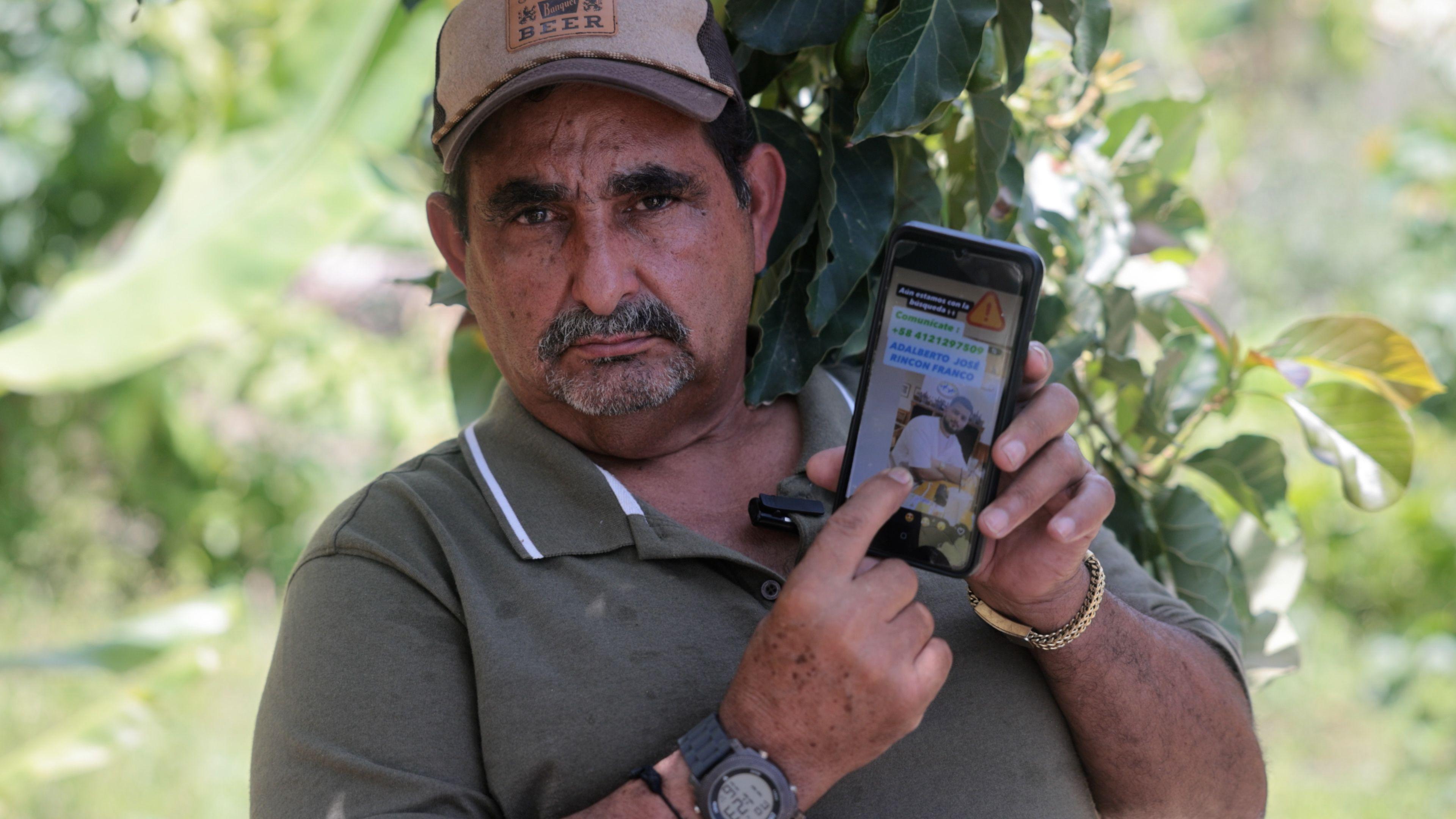
Abelardo Rincón, a 23‑year‑old Venezuelan who had lived for six years in Georgia, worked at a car dealership, married, and awaited the birth of his daughter. Under President Donald Trump’s immigration crackdown, U.S. authorities detained him and put him on a deportation flight, returning him to Venezuela for the 24 June flight that had carried more than 140 Venezuelan immigrants.
While waiting in Atlanta, his family—his parents and pregnant wife—awaited any news. After the flight landed, Rincón was delivered into a hotel near La Guaira, immediately before twin earthquakes shattered the coastal city.
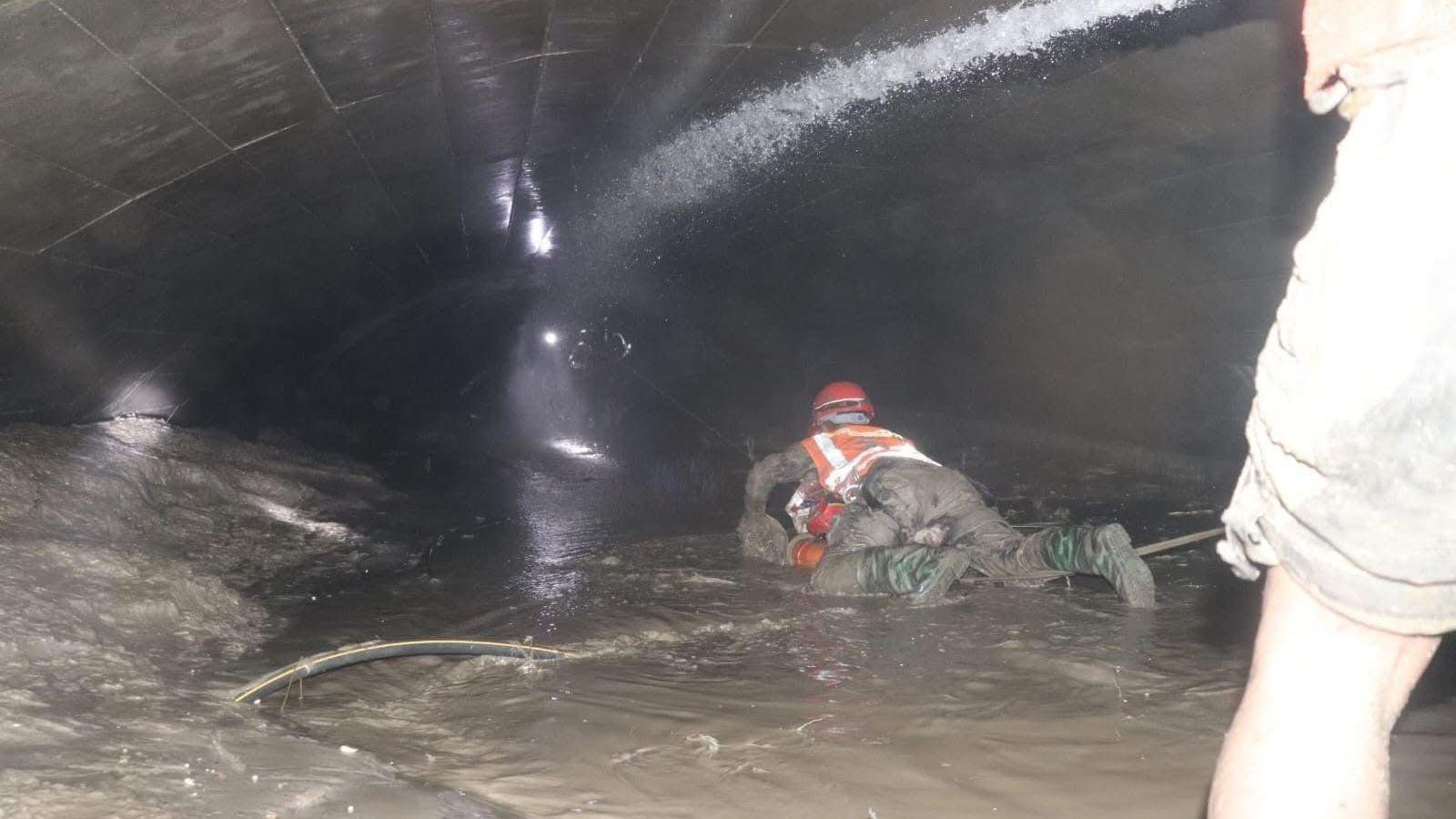
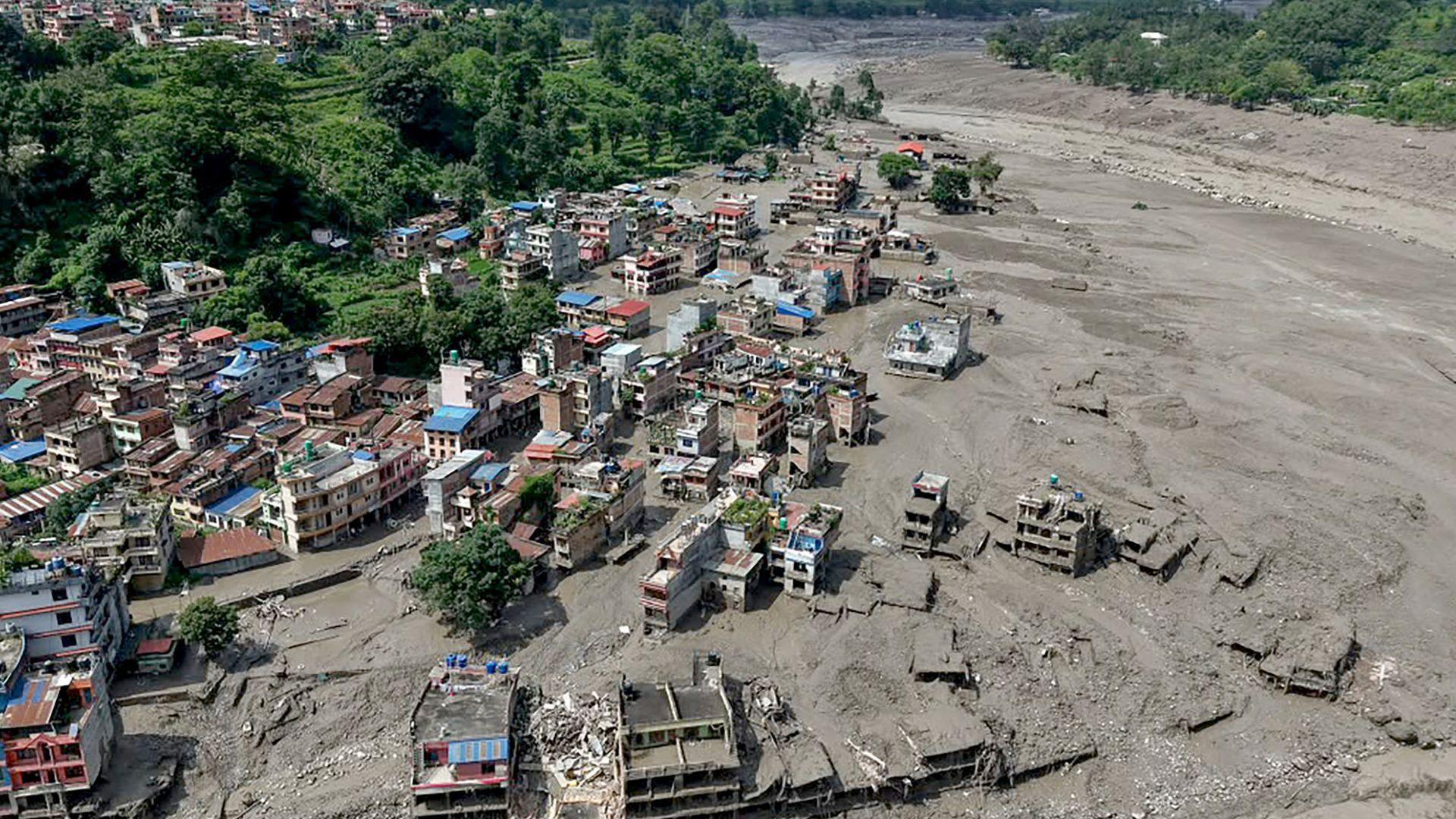
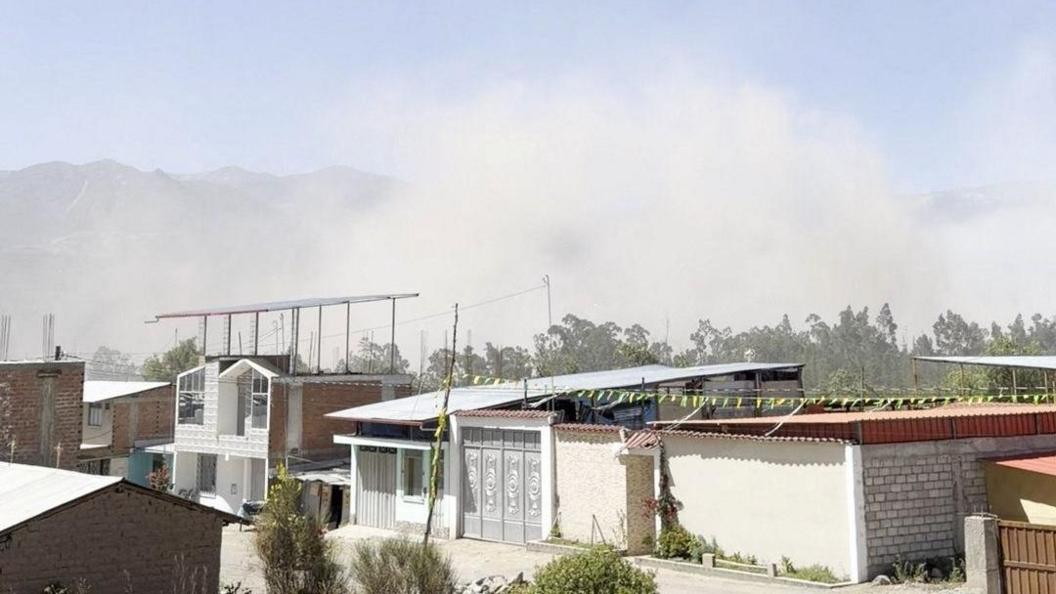
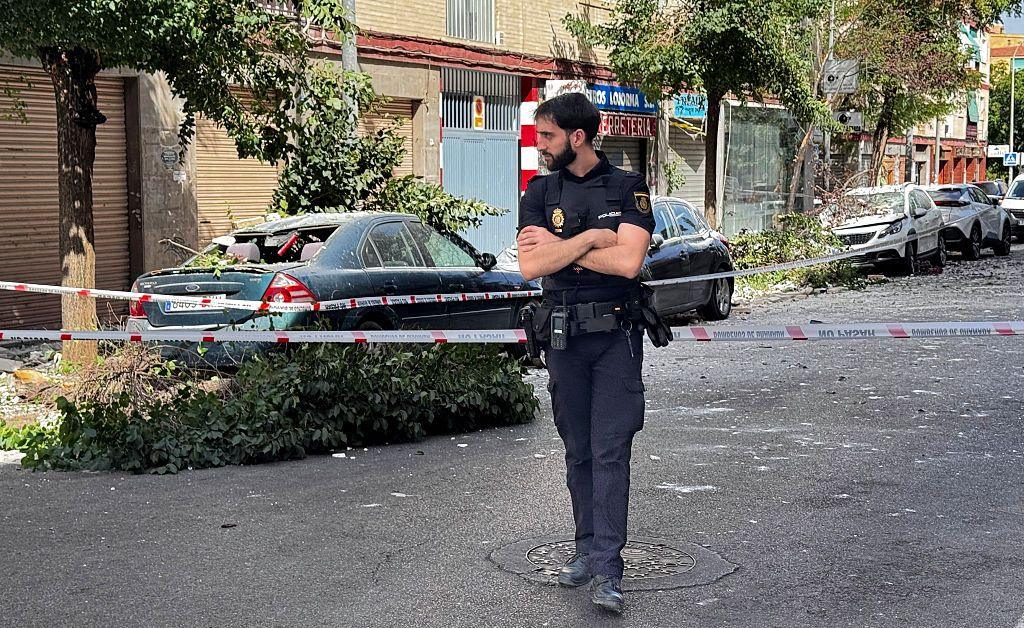
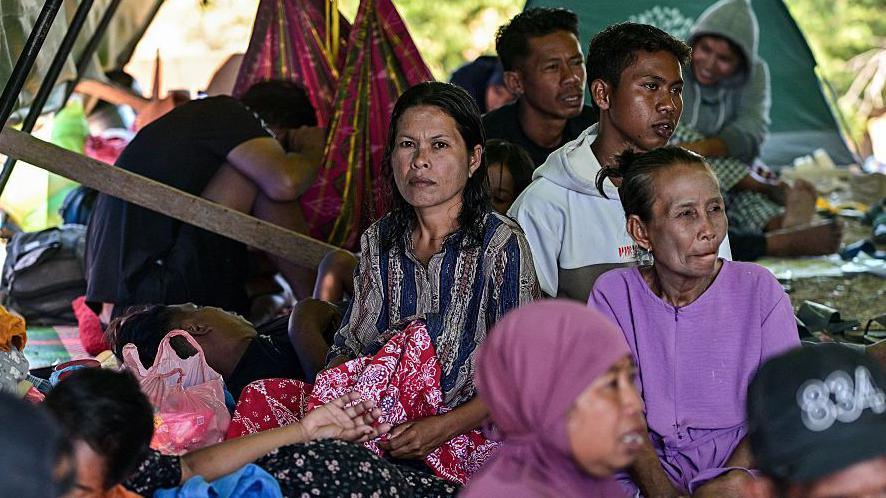
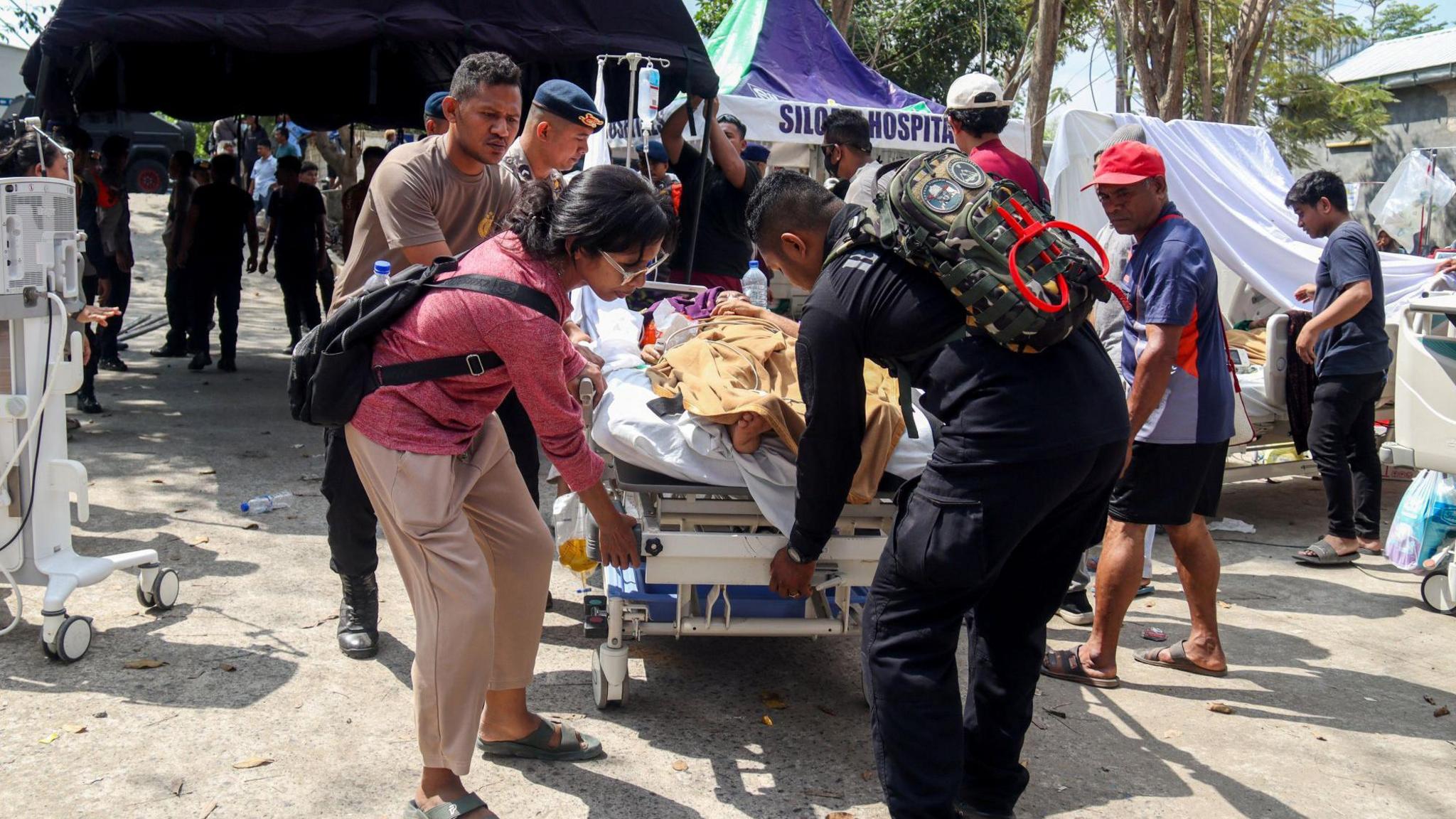
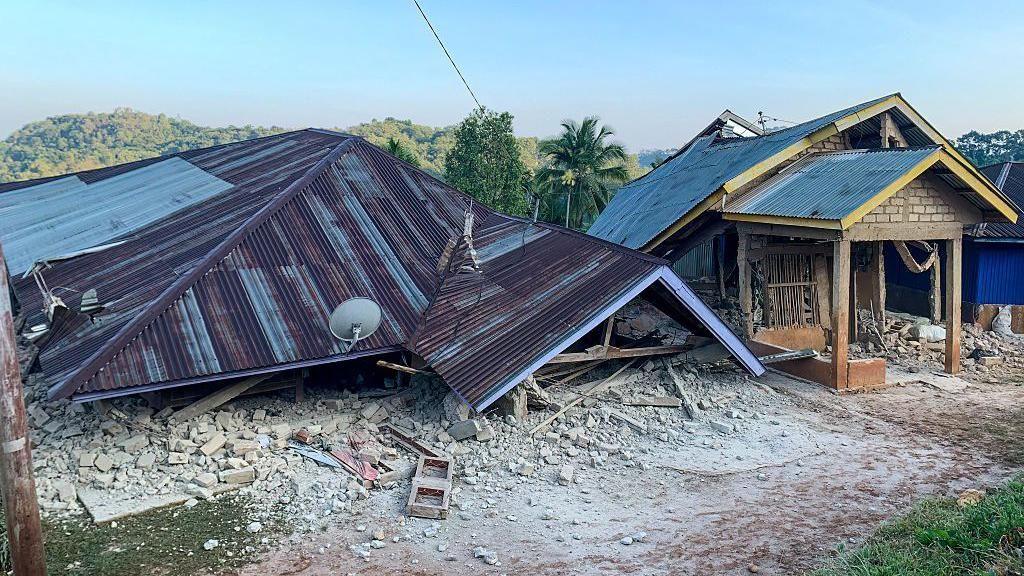
The earthquakes, which struck just hours after his arrival, caused at least 2,200 deaths, over 10,000 injuries and thousands of missing persons. Rincón and other Flight 164 deportees were among those listed as missing. Families struggled to receive updates while grappling with the sudden juxtaposition of state‑imposed return and a natural calamity that destroyed homes and altered communities.
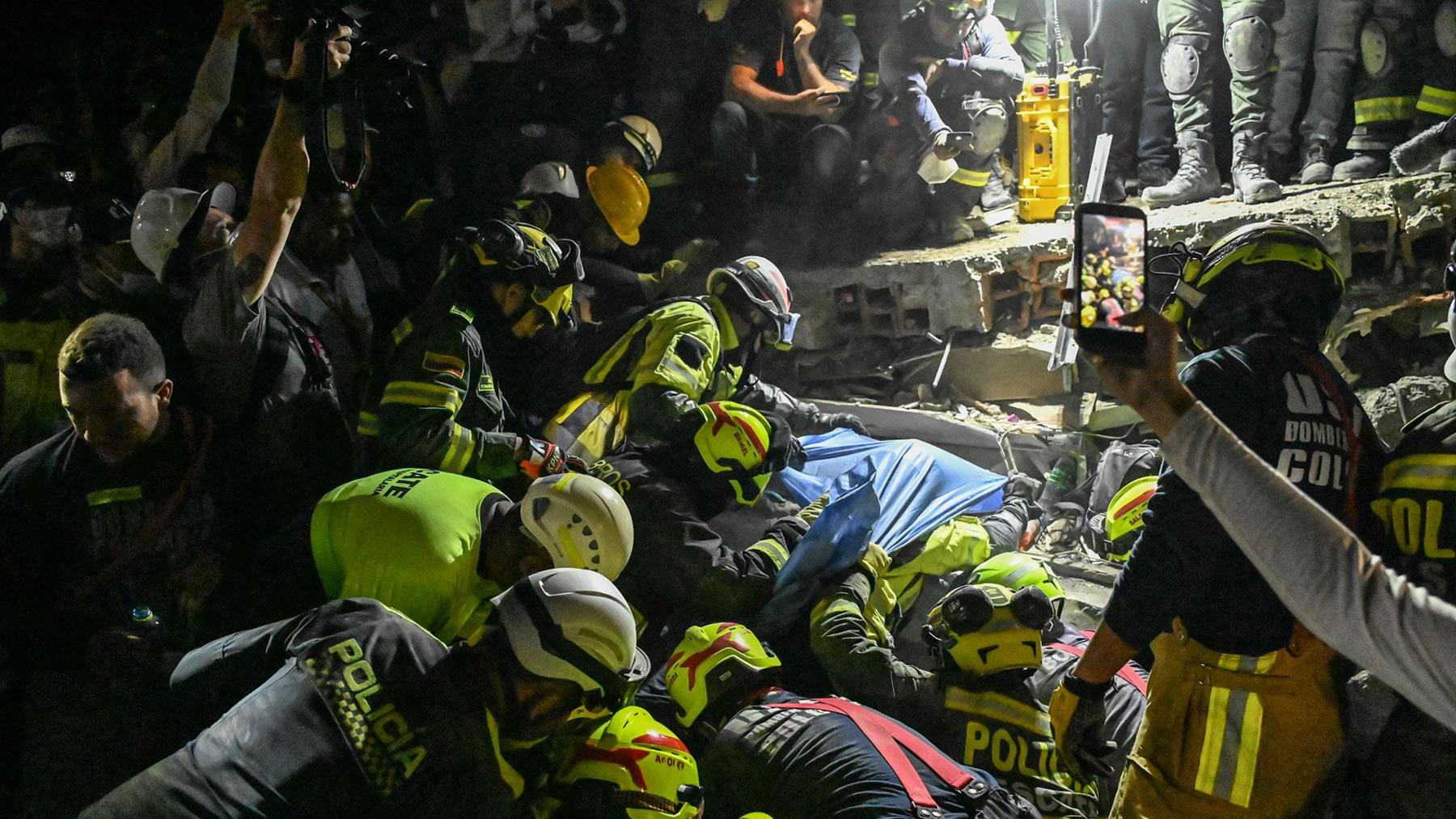
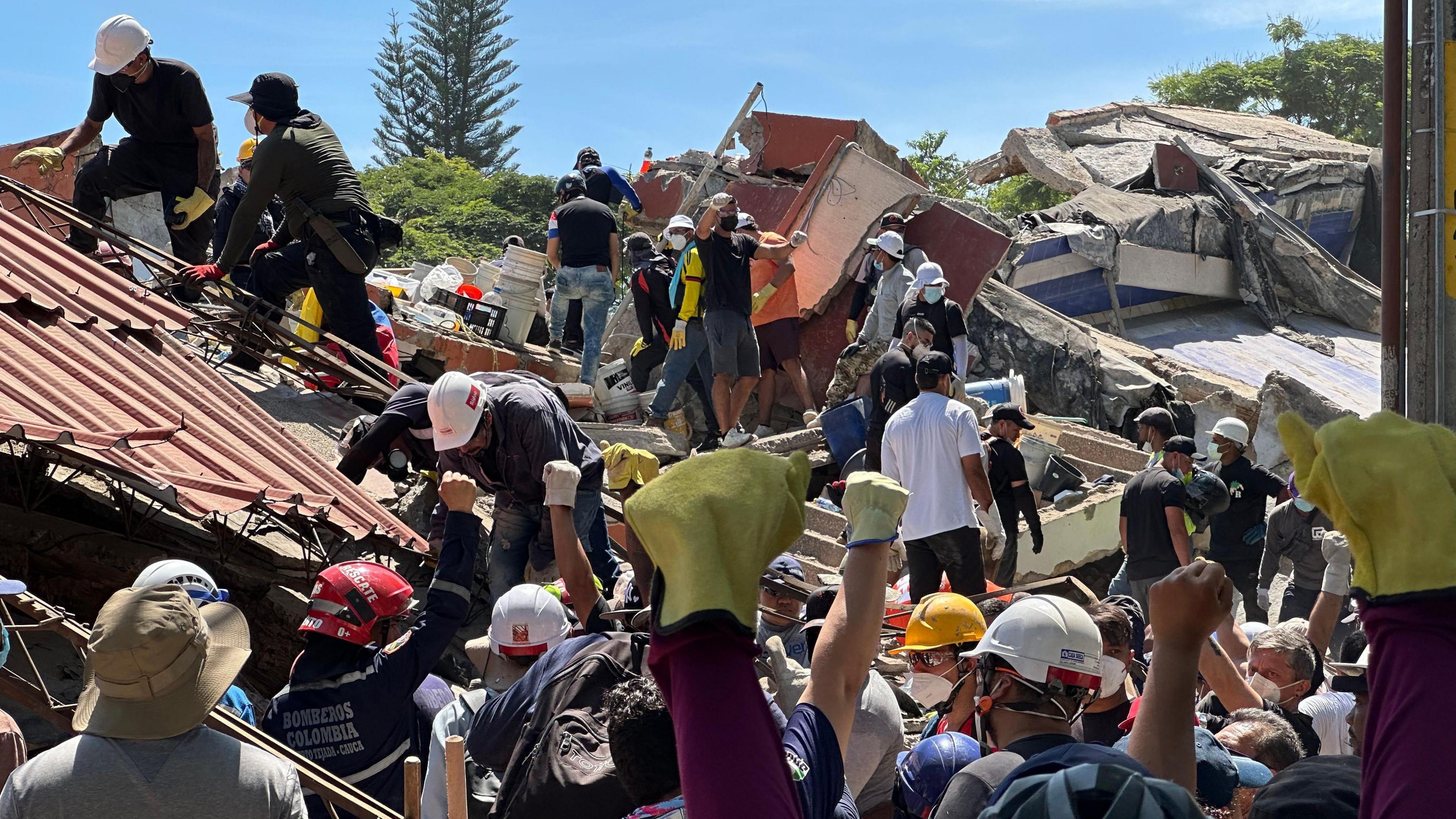
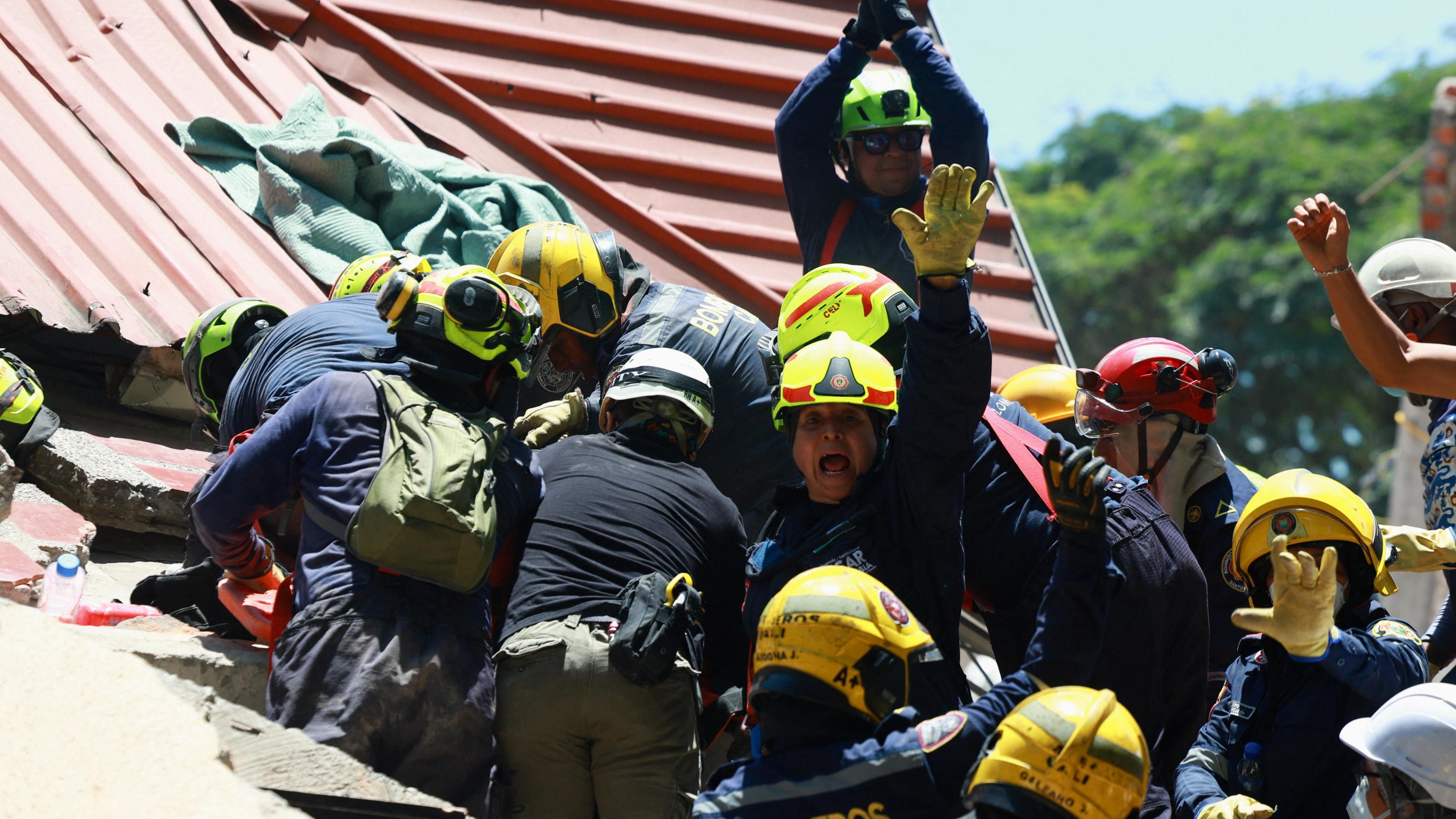
Venezuelan authorities housed the arrivals in Hotel Santuario La Llanada, where they were examined and documented. The hotel collapsed soon after, leaving many in rubble and derailing any hope of locating bodies or identifying survivors. The fragmented information sent relatives home to search for their loved ones without any confirmed contact.
The tragic events underline how immigration enforcement can leave individuals vulnerable to unforeseen disasters and highlight the need for better coordination between nations for the protection of displaced peoples.