Hundreds Evacuated by Sea as Greek Wildfires Threaten Ancient Communities
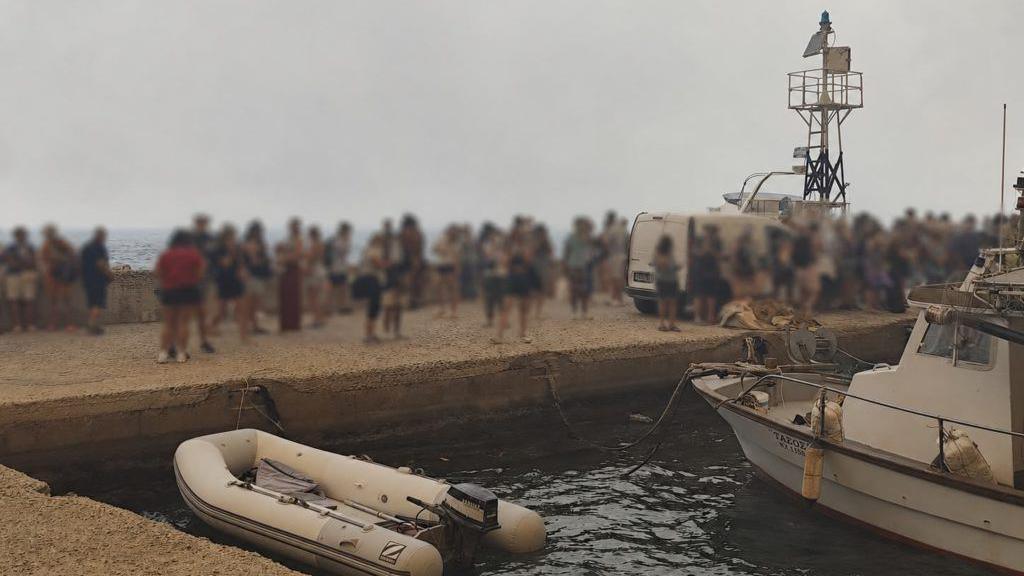
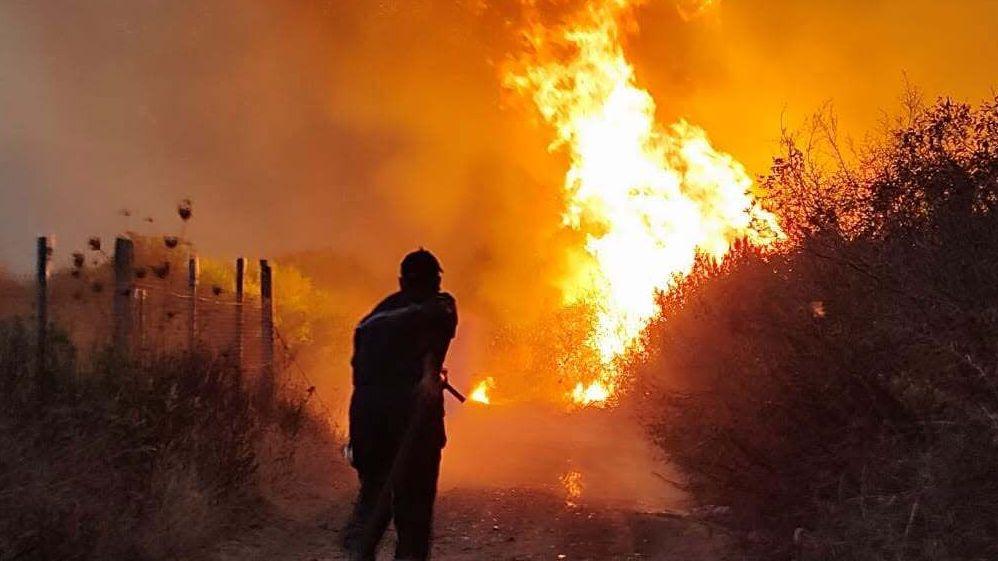
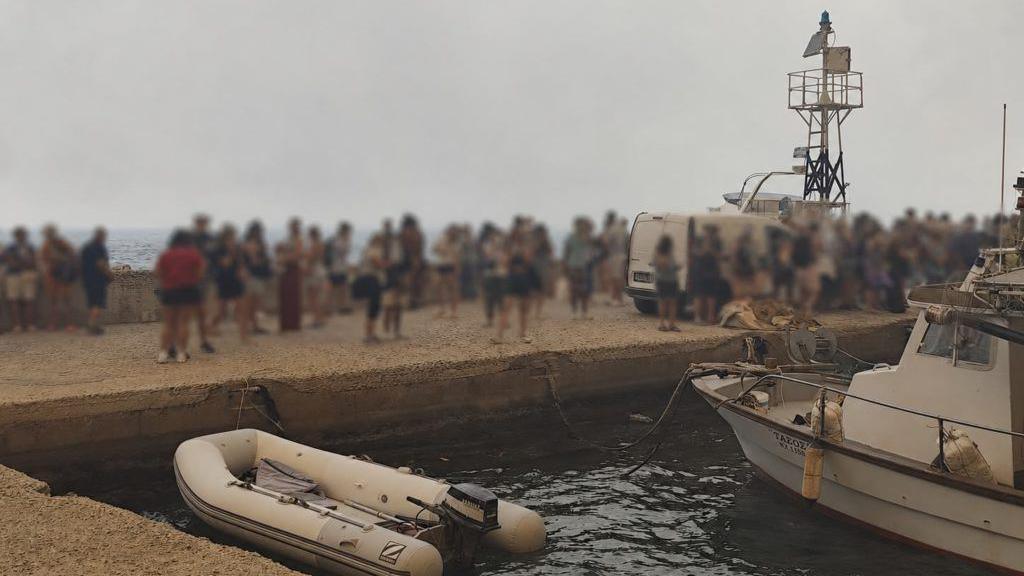
A sudden blaze broke out near the coastal town of Agios Vasileios in central Greece on Friday morning and, driven by strong winds, rapidly enveloped the area. The fire has turned a tourist hotspot into a focal point of crisis, forcing around 500 people, most of whom were visitors, to be rescued via boats and hangars.
Local media and the Greek national agency AMNA report that more than 200 residents were already evacuated and a further 100 people are scheduled for sea transport. Authorities urged the community to move inland before the fire rushed past the outskirts, but the rapid spread left many trapped.
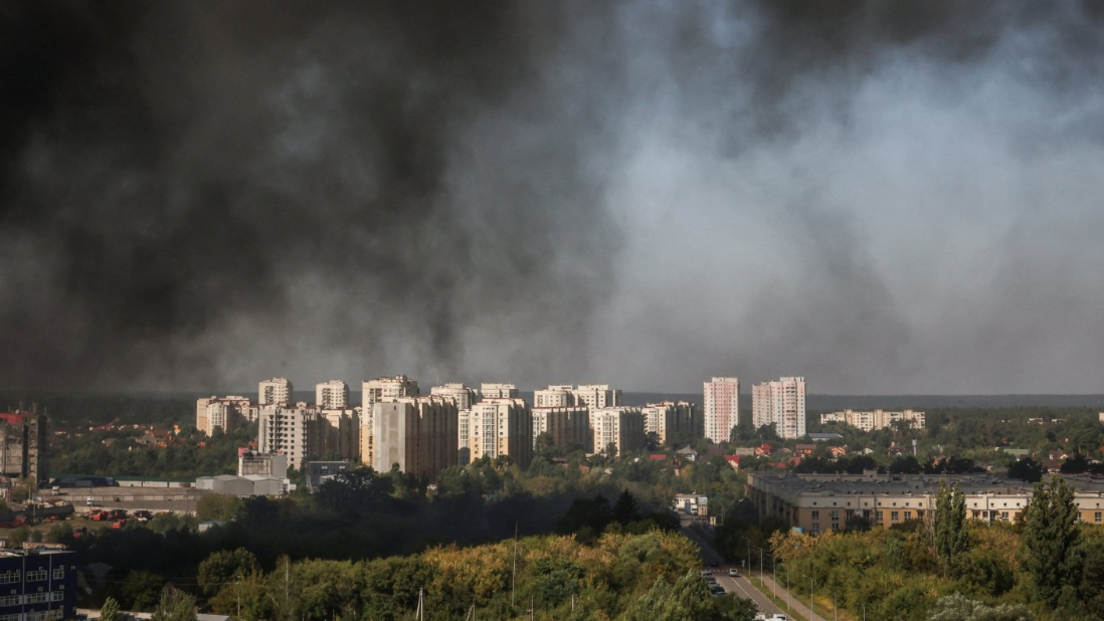
The affected region, earmarked as high‑risk for wind‑driven fires, has seen a historic surge in blaze activity. In the same weekend a second fire erupted along the coast, while Crete is battling an ongoing wildfire that has scorched thousands of hectares and forced the temporary relocation of 8,000 people.
Greek communities, many of whom practice centuries‑old fire‑management traditions—spritzing olive groves, conducting low‑intensity burns to keep forests open, and using medicinal plants for smoke control—are now confronted with weather conditions that exceed natural and cultural resilience. The loss of these ancestral lands threatens the survival of rare flora used in traditional medicines and the historic structures that tell the story of the region’s past.
Across the Mediterranean, similar blazes are tearing through Portugal, Spain and Turkey. In Spain, over 200,000 hectares have burned in 2026, five times the seasonal average. Portugal’s vineyards and olive groves have been scorched, and in Turkey, 206 fires have been recorded in a single week, in the same fast‑moving climate scenario.
The Rising Threat of Fire in a Changing Climate
The pattern of early mild, moist winters followed by sudden hot spells is creating tinder‑rich conditions that make wildfires more common. Human‑initiated ignitions, whether accidental or intentional, are amplified by these amplified heat waves.
On islands such as Crete, Paros, Andros and Kalymnos, the flames are advancing through valleys that nurture medicinal basket‑grasses and other plant species vital to local healing practices. The rapid loss of these habitats not only jeopardizes biodiversity but also undermines cultural traditions that have survived for millennia.
As the world grows hotter, indigenous knowledge—long used to balance nature’s cycles—faces new challenges. Communities must now adapt their age‑old fire‑management techniques to confront unprecedented climatic conditions while protecting both lifestyle and ecological integrity.
The Greek wildfire crisis, therefore, is a stark reminder that the interface of modern technology, tourism, and living heritage requires integrated stewardship plans that recognize and elevate indigenous wisdom.