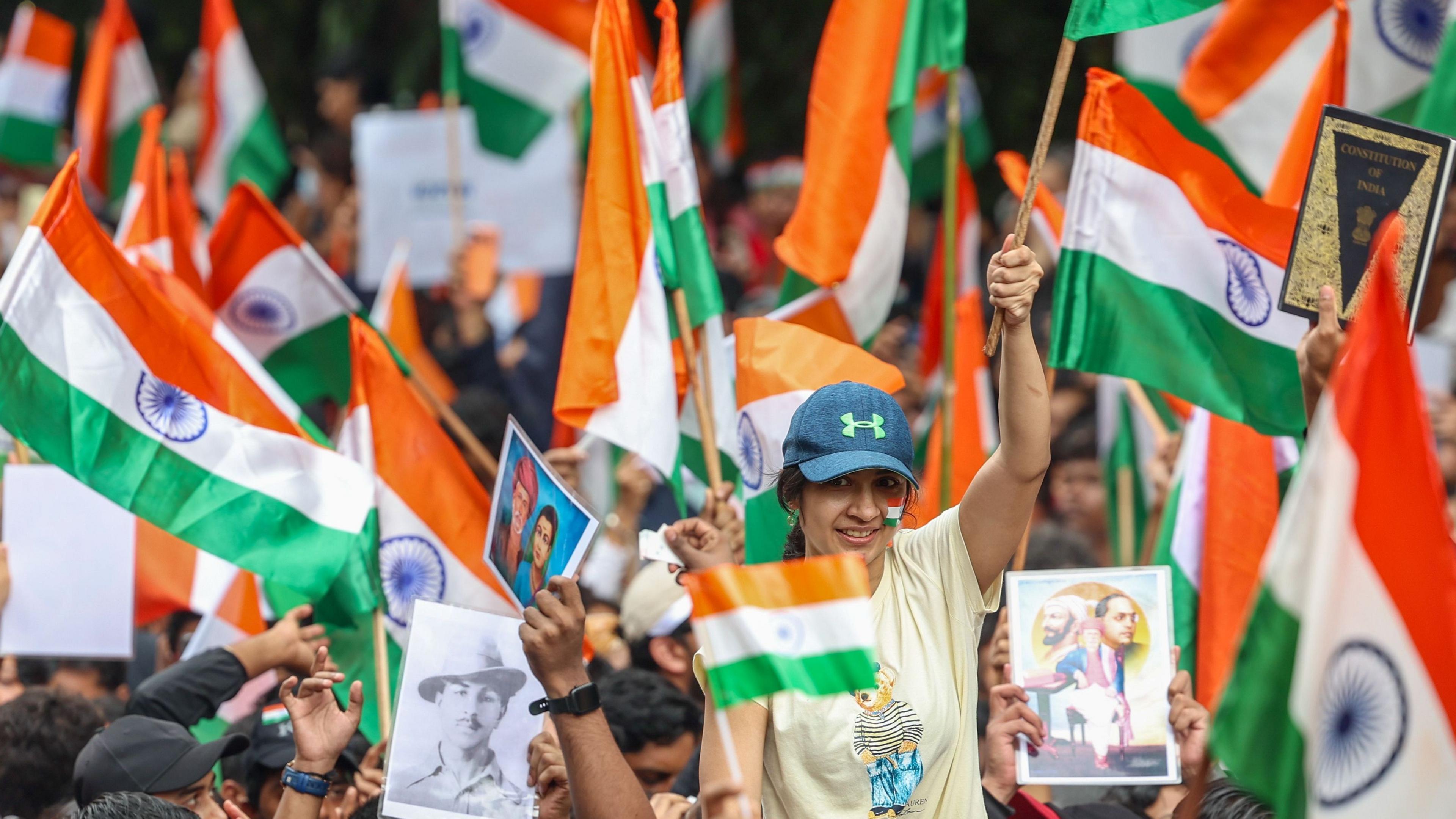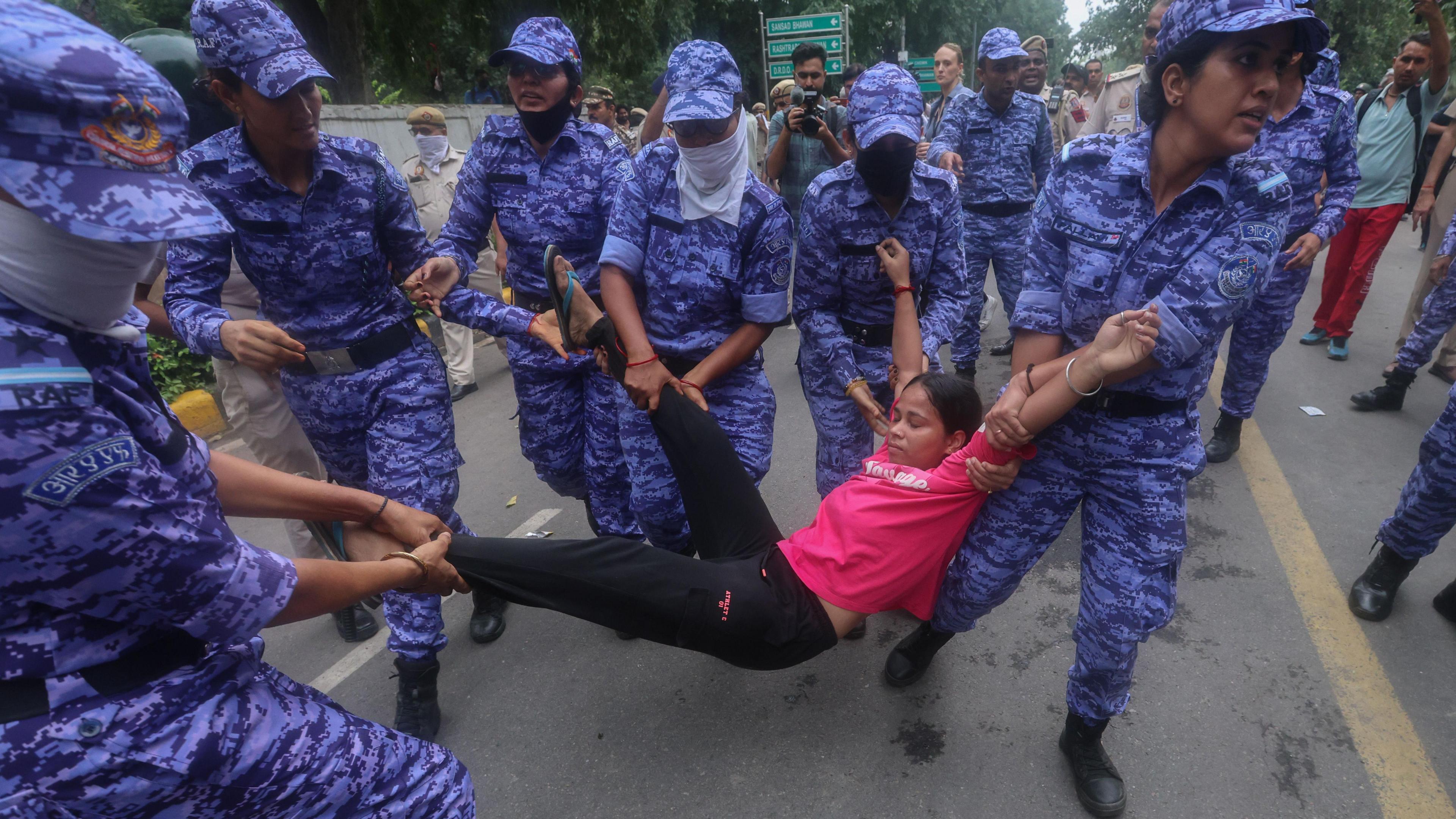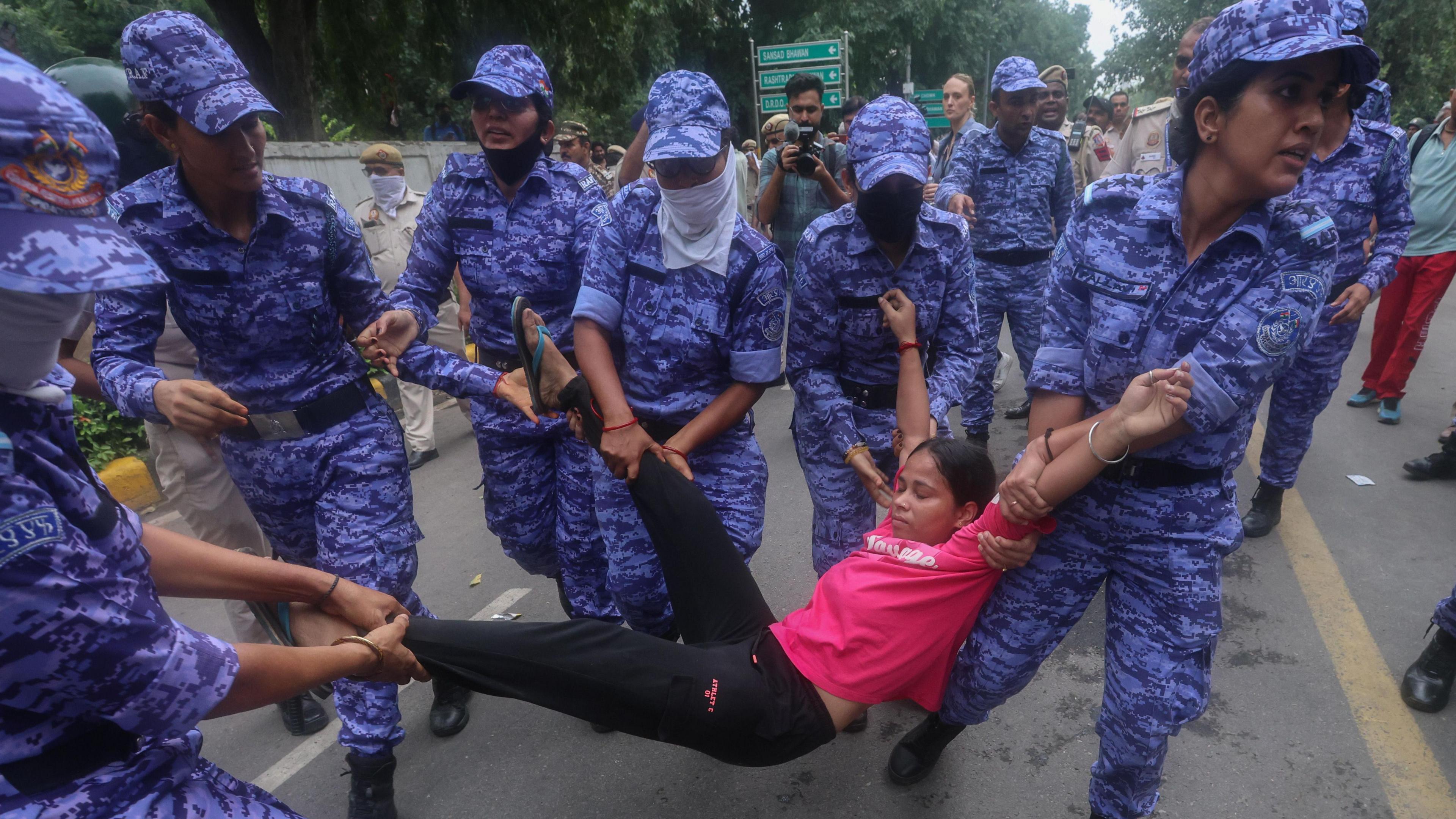
In the heart of Delhi, the Cockroach Janta Party (CJP) roared again after police violently cracked down on the previous day’s protest. Hundreds of thousands of young people defied a ban to march toward Parliament, only to be met with batons, tear gas and a barrage of arrests that left many bruised and some wounded.
Violence in Central Delhi
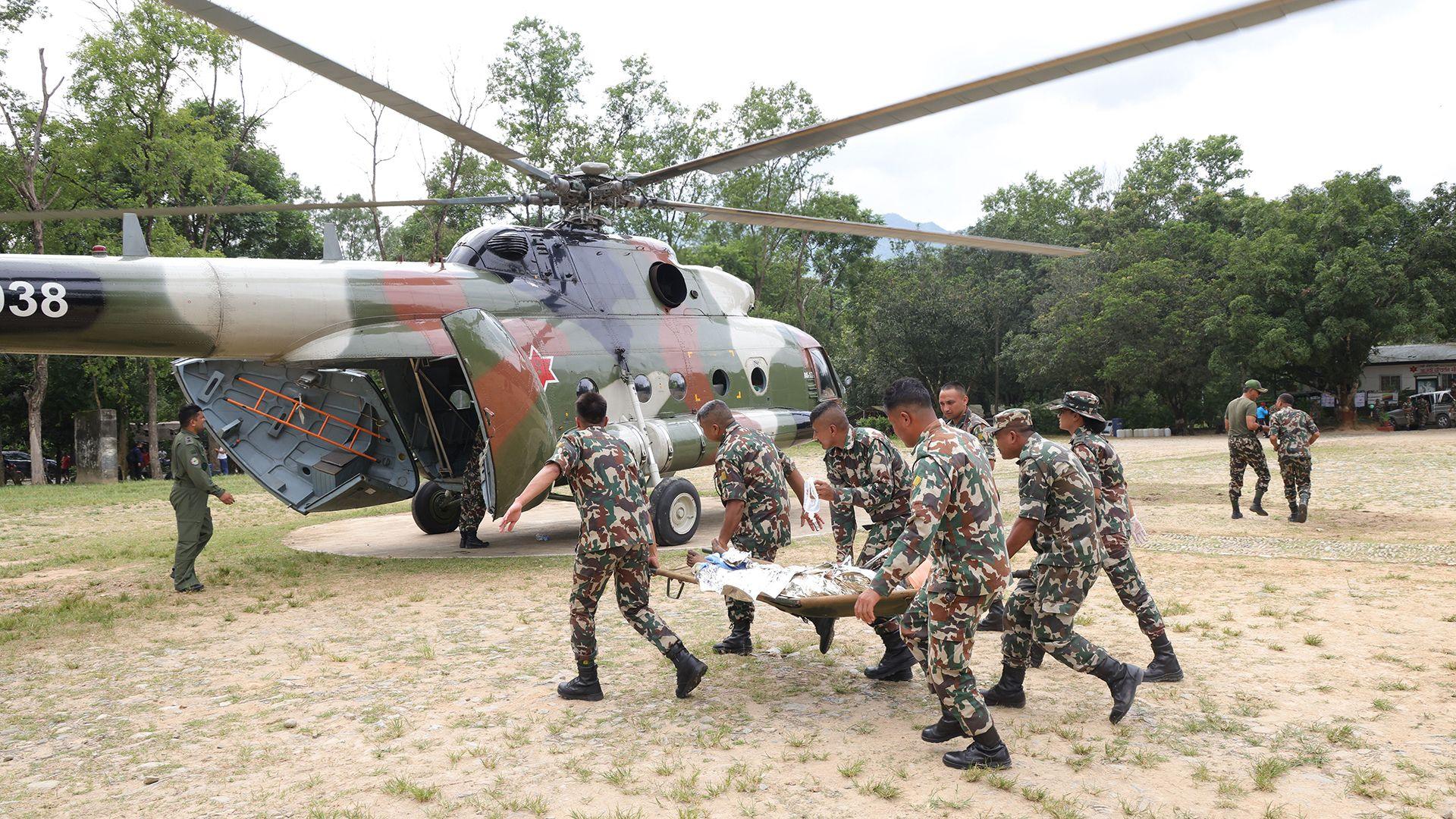
Police used batons and tear gas on civilians, injuring at least 60 young protesters. Officer injuries were also reported – 118 police personnel sustained wounds. The clashes caused panic, with supporters fleeing barriers, some falling to the ground or struck by sticks. As the day ended, an alarmed crowd gathered around Jantar Mantar, an old observatory famous for protests, to care for the wounded.
Police and Political Response
Health Minister JP Nadda met CJP leaders after a four‑hour wait, promising interviews and investigation. The CJP excelled with a brief acceptance that the government would address concerns, yet no tangible commitments were made. Opposition figures – notably Rahul Gandhi – denounced the occupation and the police attack, arguing that the youth’s demands were legitimate and calling for resignation of key officials.
Continuing Movement and Indigenous Perspectives
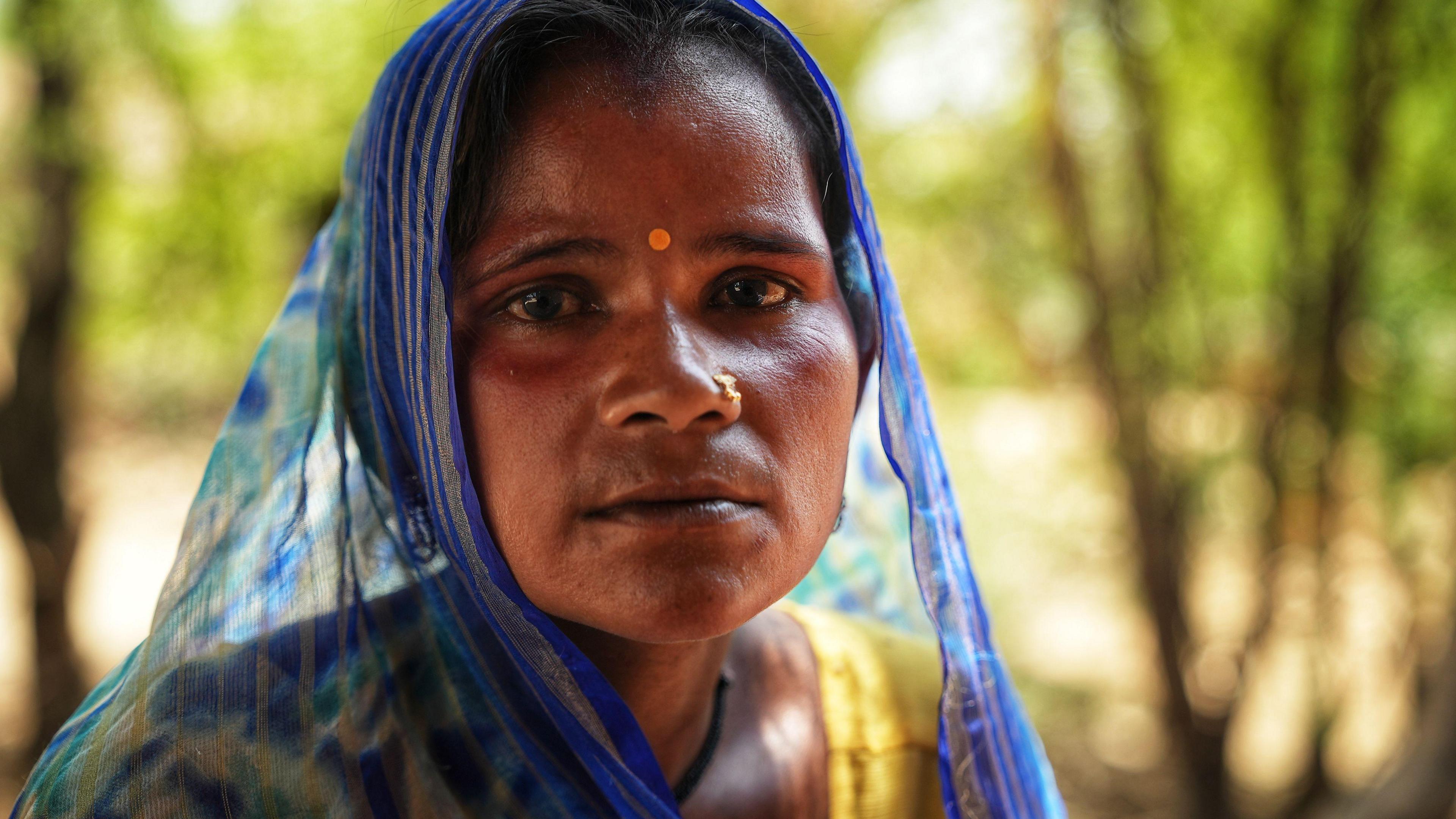
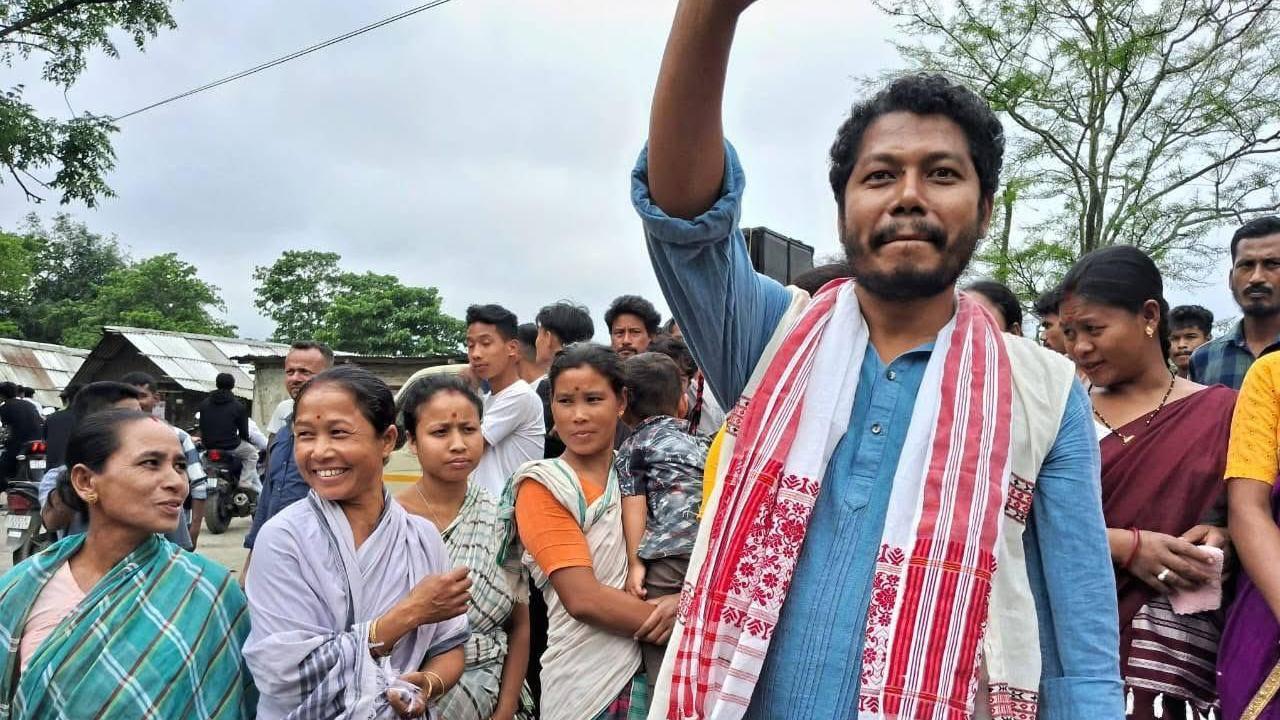
Student activist Sonam Wangchuk, sent to hospital, remains central to the cause. The CJP’s chant, “Dharmendra Pradhan Must Resign,” reflects a rupture between youth and governing structures. Indigenous communities in India argue that their right to knowledge and self‑determination outweighs restrictive or corrupt state mechanisms. The protest’s vigour echoes ancient guardianship of learning and culture, calling for systems that honour a people’s historic connection to land and knowledge.
Future Outlook
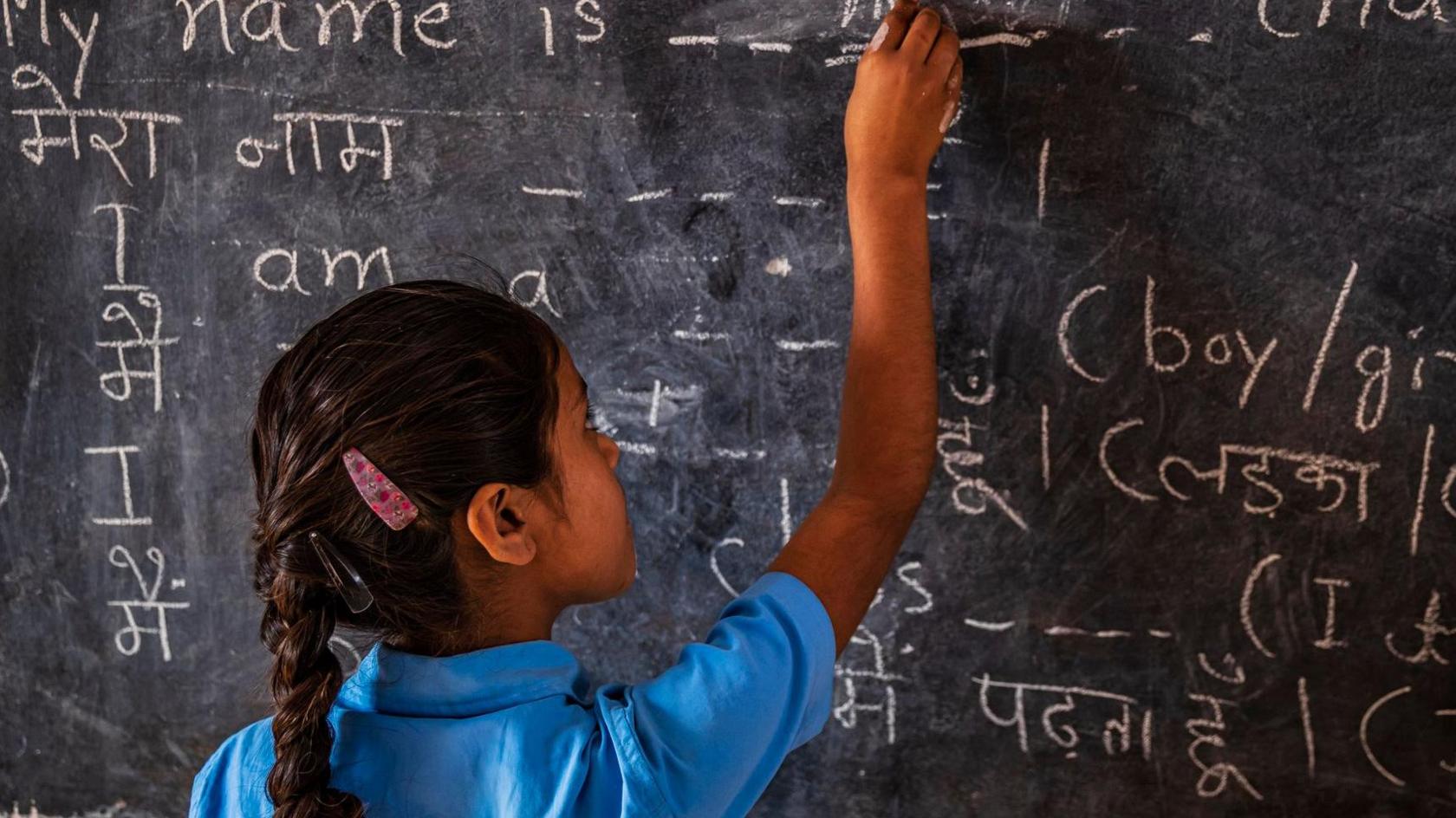
Following the police’s official statement accusing protesters of violence, the CJP counters that officers were the aggressors. The movement’s wide support—from farmer leaders to Bollywood actors—keeps the issue in national conversation. Whether Delhi will allow a peaceful, reformed education system remains contested, but the CJP’s resolve shows that many are unwilling to back down. The story of the crackdowns, the fight for education, and the involvement of indigenous voices will continue to shape India’s trajectory for public dissent and reform.