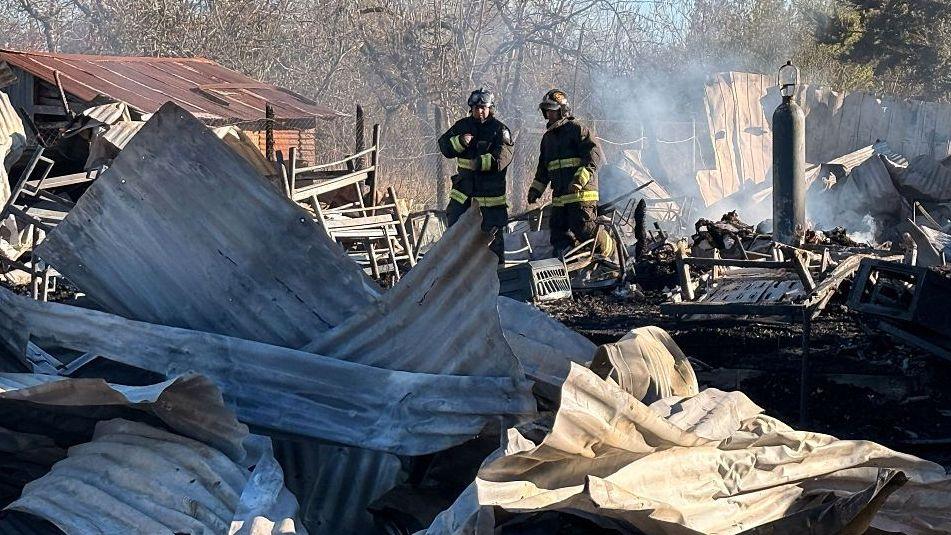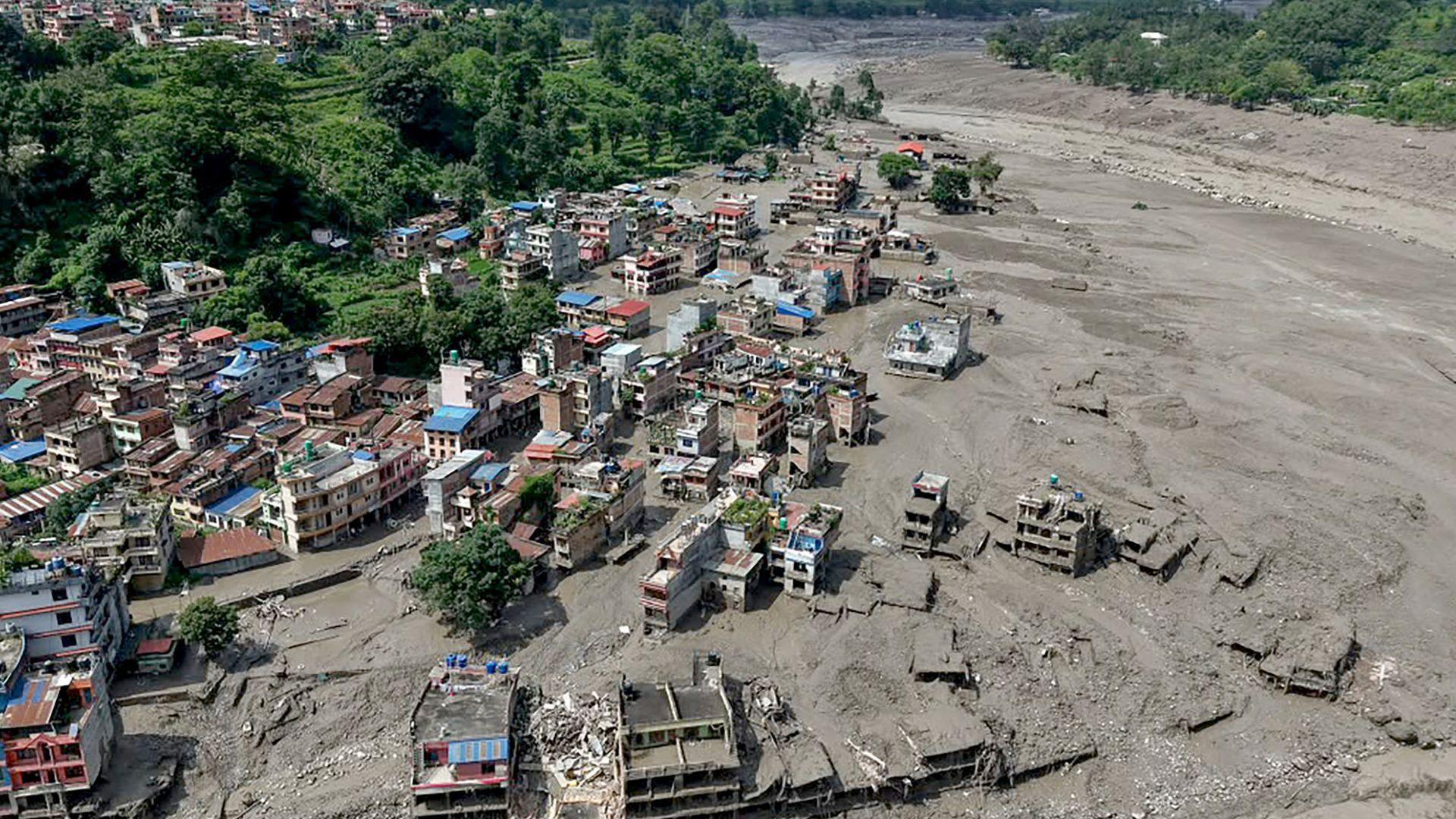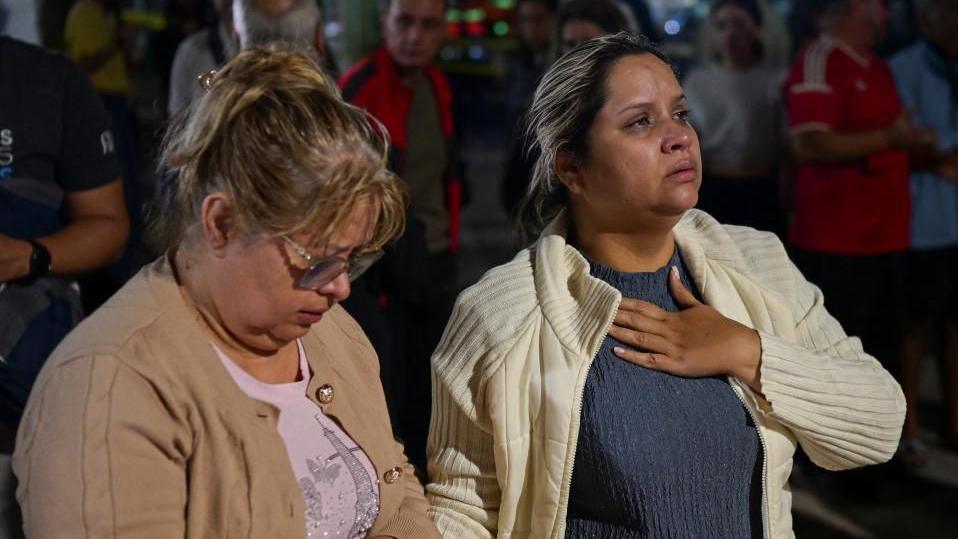
When twin earthquakes rattled Venezuela on June 25, the loss of life and the collapse of buildings doubled the sense of uncertainty that has loomed over the country for years. The casualty numbers are climbing and the hard‑hit regions are already overwhelmed by a deteriorating energy network, shortages of building materials and a political system that has resisted transparent communication.
Across the country, indigenous communities—many whose ancestral territories now border the most severely damaged areas—have drawn on their deep history of land stewardship, community solidarity and natural healing to counsel relief efforts. While government responses have been limited by decades of militarized control and restricted media, these groups have relied on kinship networks and traditional knowledge to locate survivors, share emergency supplies and coordinate rescue routes.
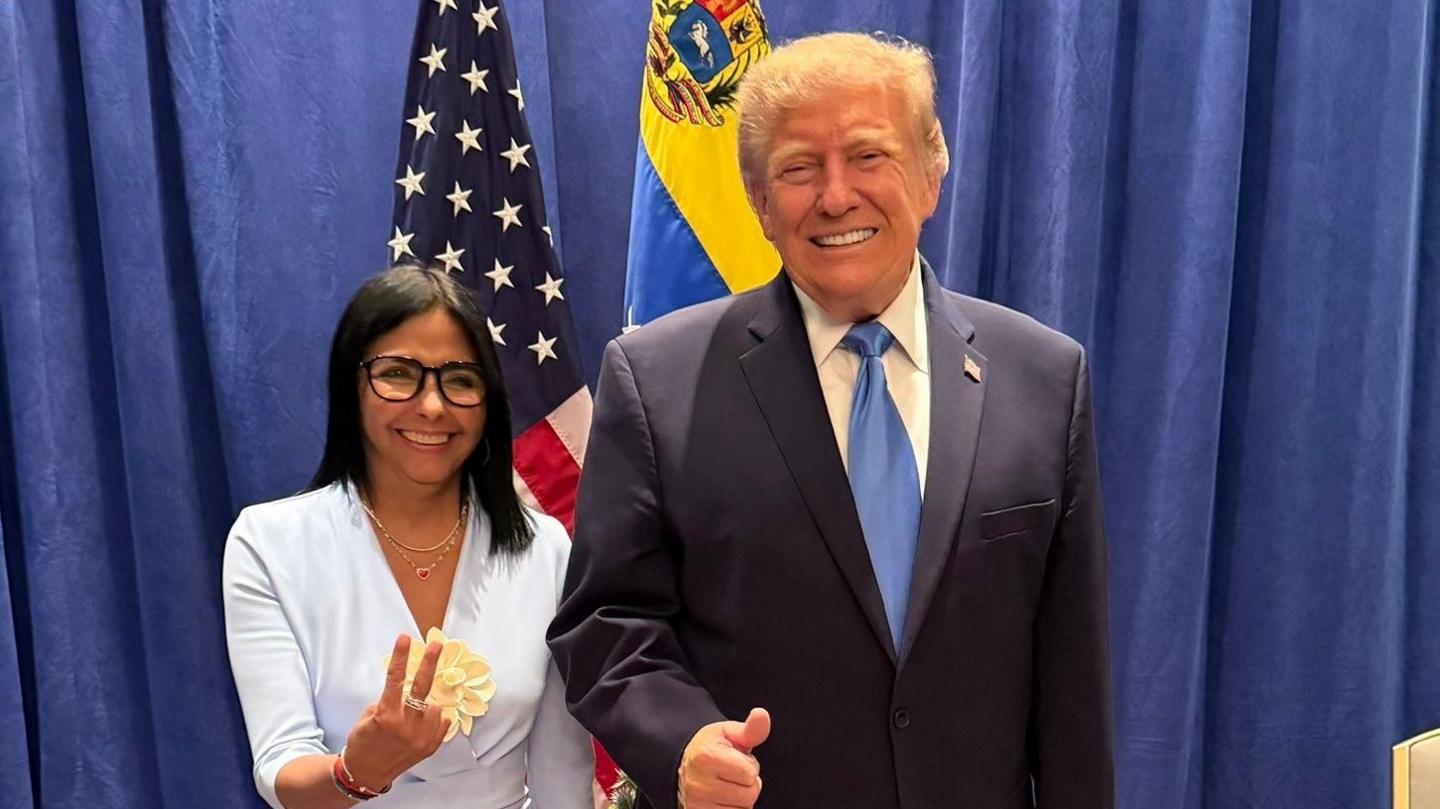
In the days that followed the quakes, state television broadcast a brief address from the interim president. Her speech, though heartfelt, highlighted a growing shift: her government has opened the door wider to international assistance, denouncing the historical pattern of only accepting aid from ideological partners. She thanked the United States, Chile, the Dominican Republic and El Salvador—leaders of right‑wing administrations—for offering solidarity. This departure from previous policies signals a nascent readiness to integrate external resources.
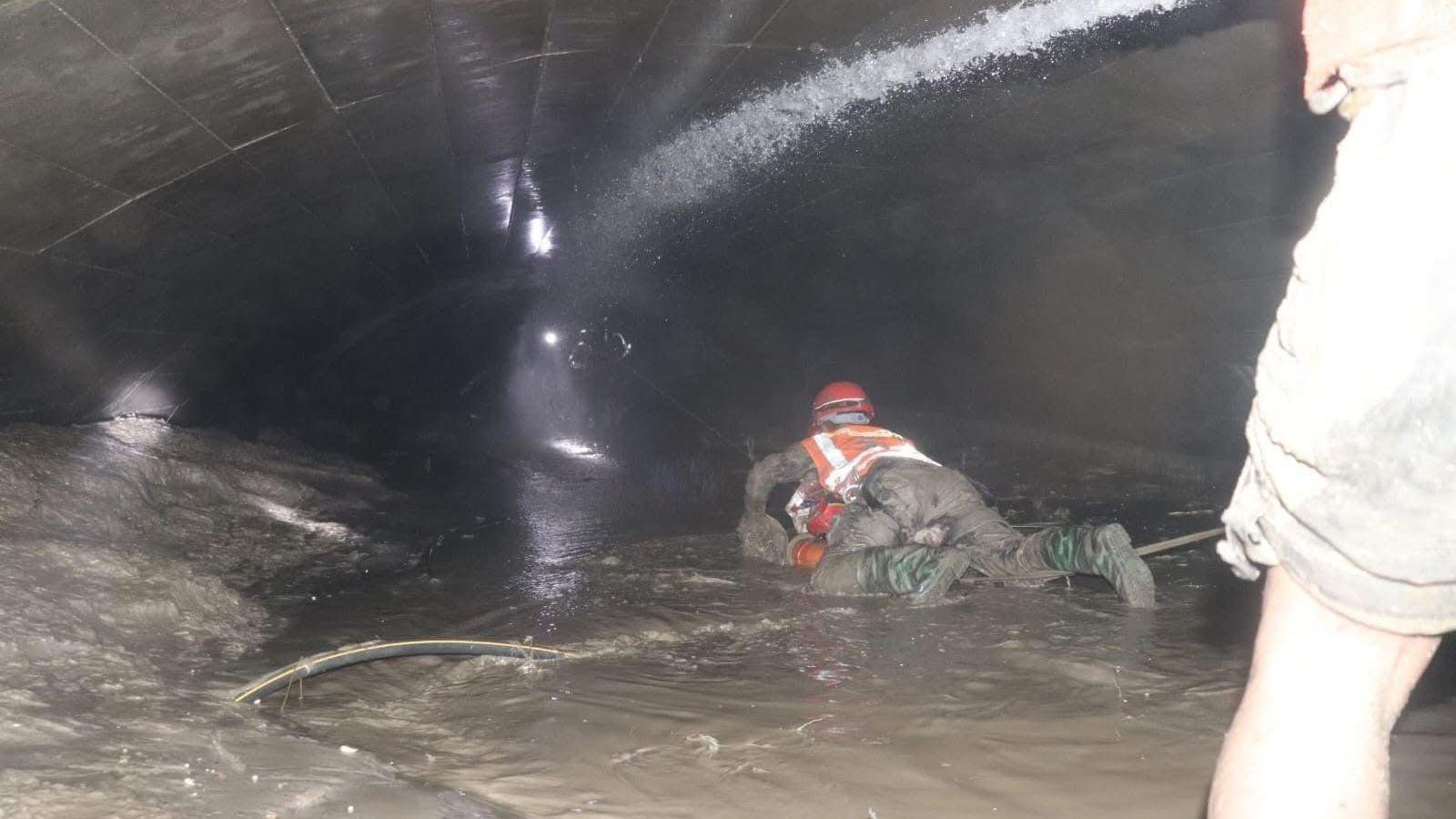
Nevertheless, the more urgent shortages—most notably cement and electrics—were compounded by years of systemic mis‑management and sanctions. The sabotage of the state‑owned cement industry and the neglect of public housing have left many structures fragile; when the earthquakes struck, these deficiencies turned ordinary buildings into collapse sites. The lack of modern emergency equipment, historically primed for national guard operations, further hampered local rescue teams.
Indigenous healing practices came into focus at the rubble sites, where community members applied plant‑based treatments and rituals to care for the injured. As local healers skillfully mixed herbal poultices with stories of spirits and protection, they bridged the gap between the urgent medical needs and the cultural conservation of the communities. Their presence echoed the broader principle that survival is tightly linked to land stewardship and respect for natural cycles.
The convergence of these realities—authoritarian governance, economic constriction and natural disaster—creates a complex backdrop. Yet it also offers an opportunity to weave indigenous practices into a national framework of disaster response. If the government maintains its openness to foreign help while cultivating tribal leadership and integrating traditional ecological knowledge, Venezuela could foster a more resilient, culturally grounded approach to recovery.