In brief
In a tense morning on 15 August 2026, Israeli air raids on southern Lebanon claimed eleven lives, striking deeply into villages of displaced families. Lebanese leaders condemned the assaults, while the Israel Defense Forces justified them as responses to Hezbollah attacks. The region, long inhabited by indigenous Lebanese peoples, faces an escalating threat to ancestral lands, cultural sites, and the fragile ecosystems that sustain traditional medicines. This piece highlights the pain of indigenous elders, the vulnerability of native flora, and the urgent call for a ceasefire that honors both life and legacy.
Eleven Killed in Israeli Strikes Leaves Indigenous Land at Crossroads
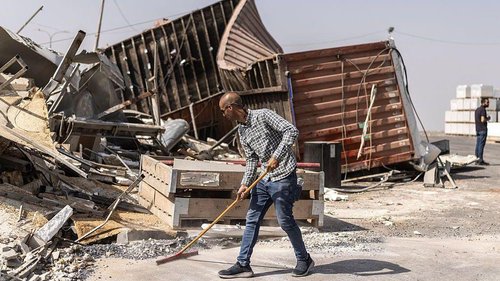
On the early hours of 15 August 2026, Israeli forces targeted the outskirts of Ansar, southern Lebanon, striking a house that served as a refuge for displaced families. Eleven people—among them three children and two women—were killed, according to Lebanese authorities. The attack is one of the deadliest in the region since a ceasefire framework was negotiated in June.
Indigenous Lebanese elders recount that their homes have long been shaped by the rhythm of the land, their intertwined cultural knowledge, and the medicinal plants that grow along the Great River with its sacred roots. When the town lights dimmed after air raids, those plants too shivered under the threat of ruin.
Lebanese Prime Minister Nawaf Salam condemned the violence: "These civilians are not military infrastructure. For the security of our people and their right to life, this is an unacceptable escalation." He urged Israel to halt the attacks, reminding the nation of the shared history of the area that predates state borders.
The Israel Defense Forces countered by stating that the strikes were aimed at a Hezbollah commander who allegedly used civilians as human shields. The timing—only minutes after Hezbollah foiled an attack that injured Iranian-backed soldiers—sparked intense debate. Israeli officials claimed that the commander was a lawful target under international law, and that civilians were not deliberately harmed.
The conflict's ripple effects reach beyond the immediate loss of life. The southern corridor is home to many indigenous cultivars used traditionally for healing—an ecosystem that faces danger as shells explode and land scorches. Families who rely on herbal knowledge from generations are forced to flee or adapt to a landscape now tainted by chemical residues.
Israel’s occupation of roughly five percent of Lebanese territory—accumulating within a 10‑kilometre- deep buffer after March 2th outbreak—continues to trigger unrest. Despite the ceasefire’s call for Hezbollah disarmament and gradual withdrawal, Israeli strikes have intensified, leaving the local civilians, who view their homes as sacred heritage, in fear and recovery.
The Summer's looming negotiations—scheduled for a new round in September—offer a fleeting hope. Yet without a firm commitment to protect indigenous rights, the renewal of peace remains an uncertain promise. Indigenous communities demand that any post‑peace agreement safeguard ancestral lands, provide for the healing of wounds, and protect the ecological network that has sustained them for centuries.
In the silence after the sirens, echo the voices of mothers, fathers, and elders—an open call to halt the violence, honor the land, and preserve the knowledge that keeps their peoples alive. The continuation of this conflict threatens not just lives but the very identity of those rooted in these hills and rivers.