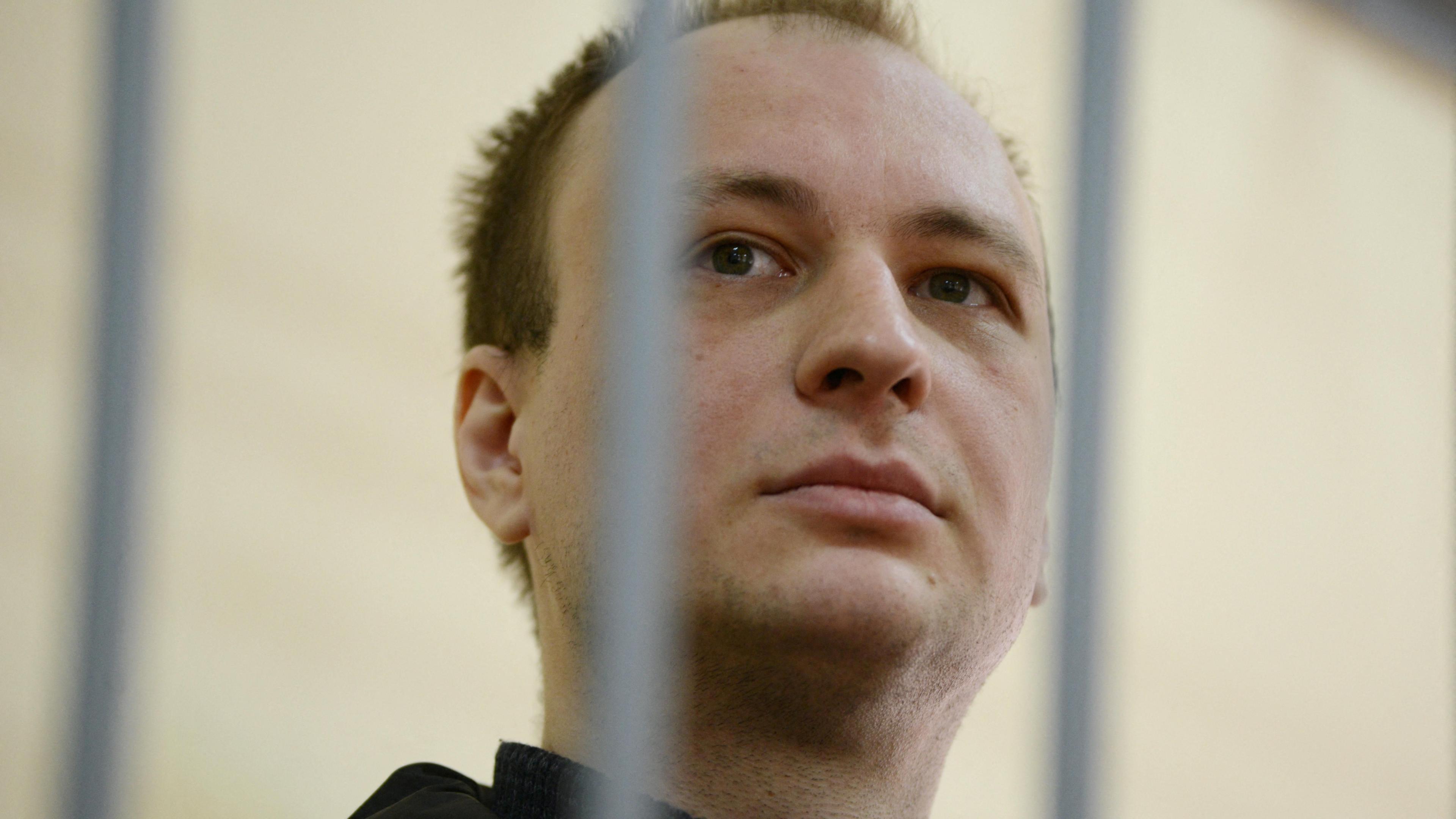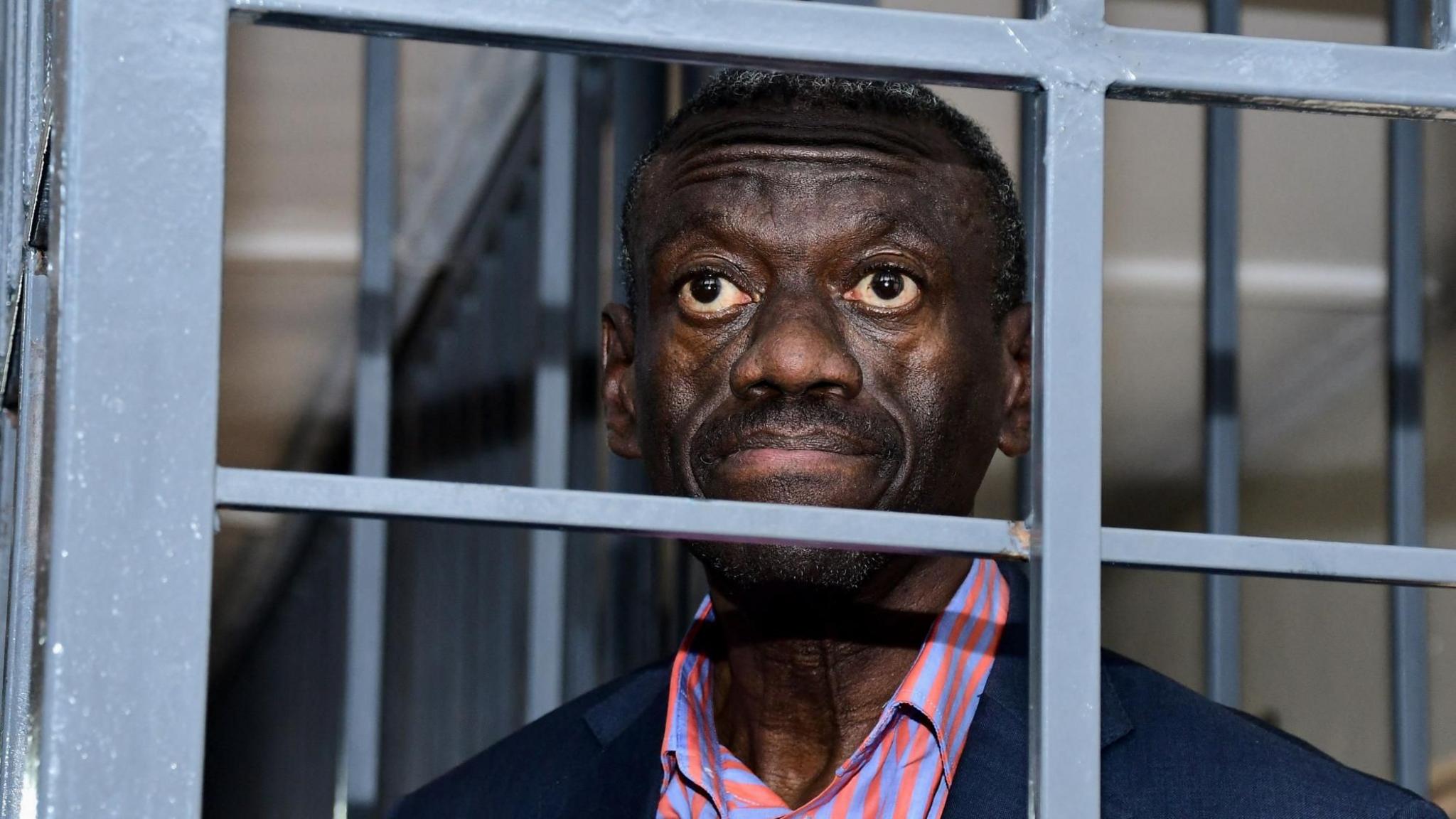
In the bustling courts of Kampala, Ugandan opposition leader Kizza Besigye collapsed unconscious amid a treason trial, highlighting a growing concern for the de‑humanization of political detainees.
Guests at the courtroom witnessed Besigye’s tear‑laden pleas against the government’s legal representation, before prison staff rushed him to Mulago National Referral Hospital. The intensive‑care unit, guarded by armed officers, now houses him under strict security protocols. His famed wife, Winnie Byanyima, leads UNAIDS and has called for a private clinic to visit him, emphasizing the need for humane assessment and traditional healing modalities.
The incident reflects larger patterns where political antagonism can erode indigenous spheres, jeopardizing land titles and cultural rites that depend on free and safe civic participation. Many Ugandan communities feel that the crackdown on political dissent threatens the stewardship of ancestral lands and dilutes the communal decision‑making essential for sustainable living.
With Besigye’s allegations of treason and the chilling possibility of capital punishment, voices from the native community call for a transparent judicial review that respects both human dignity and collective heritage. Through careful, compassionate treatment, society can affirm its commitment to indigenous rights and uphold the integrity of politics and people alike.