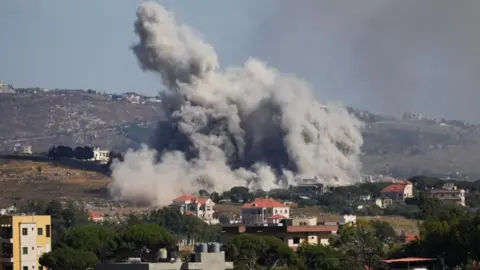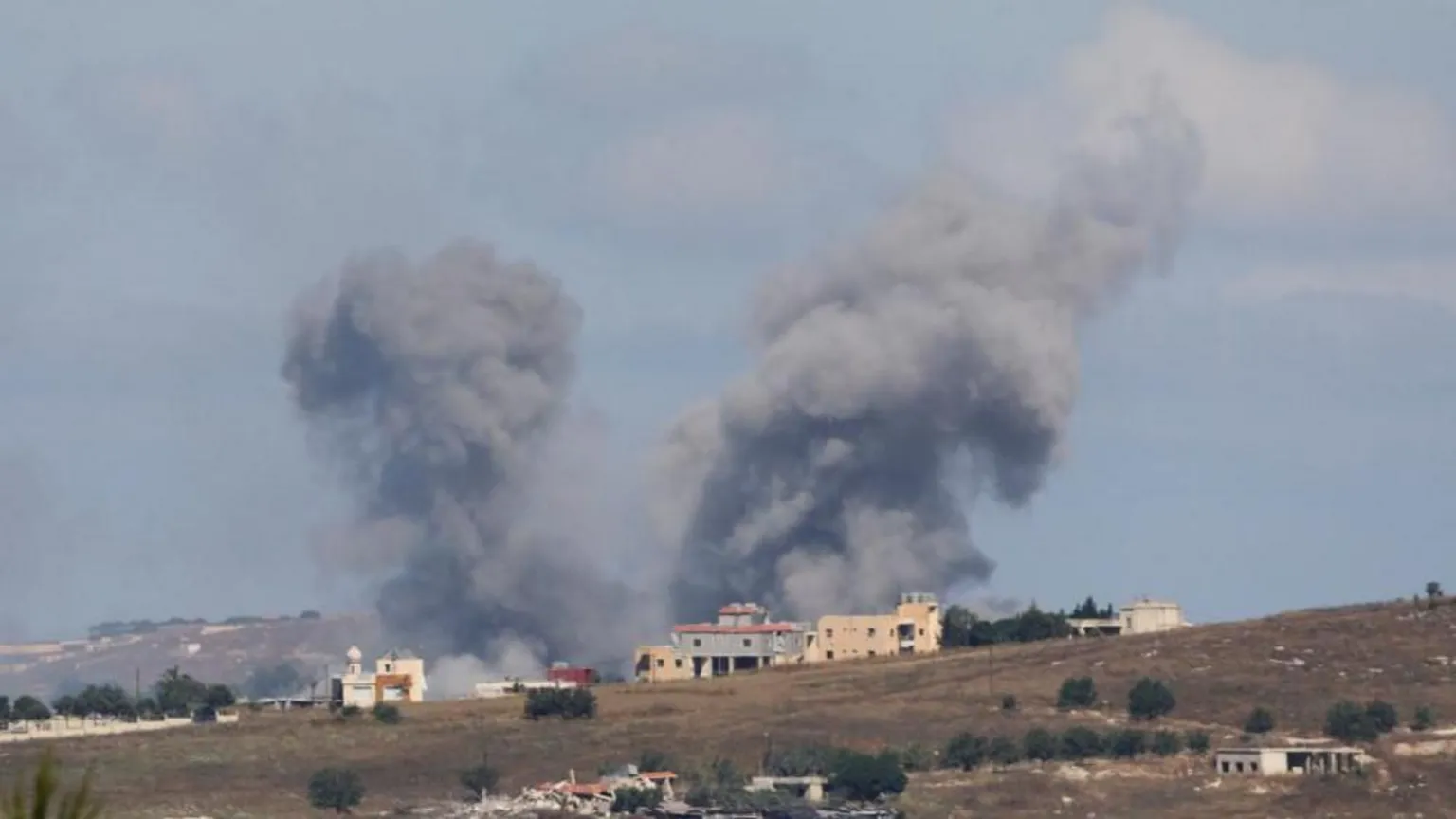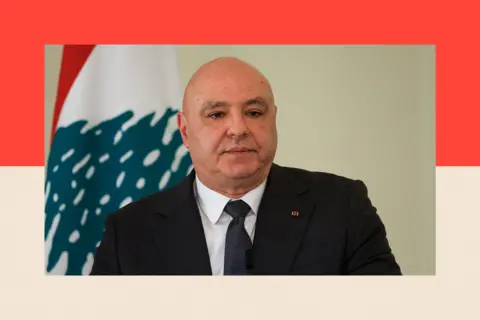
Lebanon, once again engulfed in war, faces a dire struggle as President Joseph Aoun meets the challenges of Hezbollah's influence. The Iranian-backed militia, seen by its supporters as a bulwark against Israeli aggression, complicates efforts for national disarmament.
President Aoun, a former army chief, took office after a devastating conflict between Hezbollah and Israel. Despite aspirations for peace, the delicate balance hangs on Hezbollah's arms, which remain contentious among Lebanon's diverse religious factions.
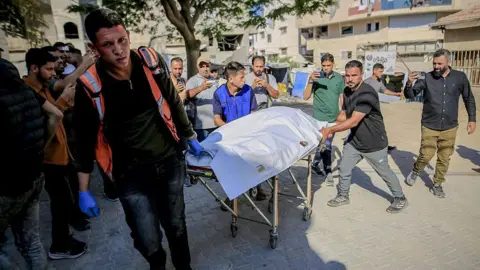
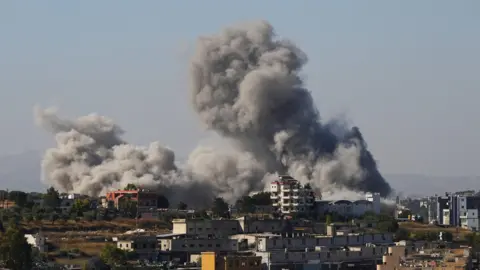
In a landscape marred by attacks and a fragile ceasefire, Aoun's attempts to negotiate with Israel signal a search for stability, albeit overshadowed by ongoing violence and international pressures. Last week, a wave of Israeli airstrikes claimed hundreds of lives, further igniting tensions.
Hezbollah emerged in the 1980s as a response to Israeli occupation, cementing itself as both a political and military entity in Lebanon. Designated a terrorist organization by the West, it holds significant sway over Shia populations, complicating any dialogue aimed at peaceful disarmament.
Despite broad support among Lebanese citizens for a monopoly on state arms, divisions remain evident across sectarian lines. As Aoun warns against forceful disarmament leading to civil unrest, the question remains: can Lebanon find a path toward peace, or is it doomed to repeat the cycles of violence?
With over 1.2 million displaced people and growing sectarian tensions, the hope for a peaceful resolution appears bleak. As Hezbollah stands firm in its resistance narrative, the future of Lebanon hinges on delicate diplomatic engagements and community resilience.