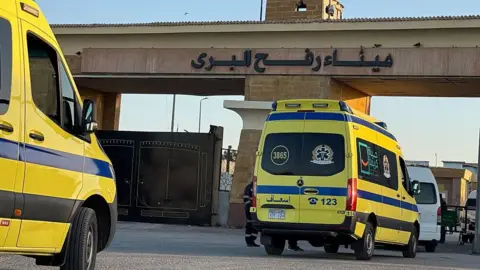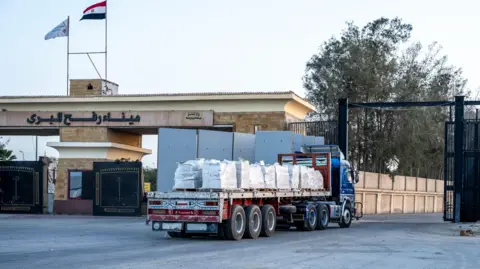
The Rafah border crossing, crucial for medical evacuations, reopened for the first time in eight months, allowing sick and injured Palestinians to seek treatment in Egypt. This measure follows a recent ceasefire agreement between Hamas and Israel, aimed at facilitating humanitarian aid and medical care for individuals impacted by the ongoing conflict.
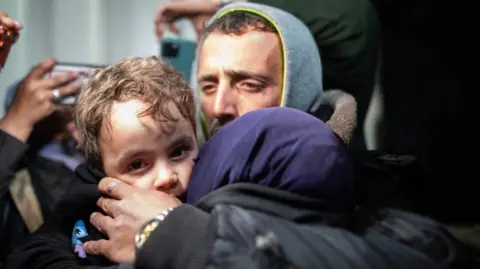
According to officials from the Hamas-run health ministry, fifty patients, including young children suffering from severe illnesses such as cancer and autoimmune disorders, were among the first to cross into Egypt. "This day has been long awaited," expressed Mai Khader Abdul Ghani, whose son suffers from a rare autoimmune condition. Her son's treatment had been critically delayed due to the monopolization of medical supplies in Gaza and the closure of border crossings.
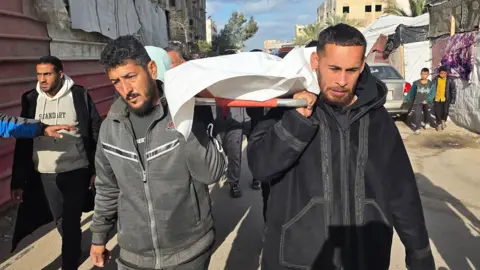
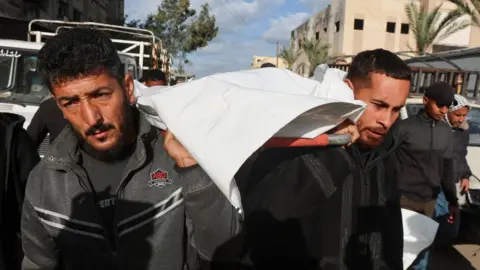
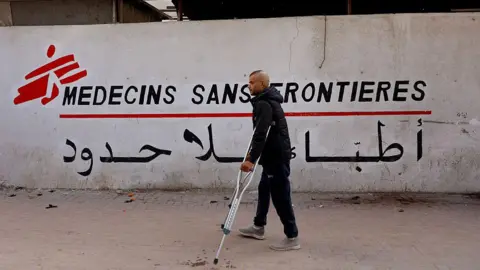
The emotional toll of this situation is evident as families hope for healing. Mohammed Abu Jalala recounted the tragic fate of his niece, who suffered severe injuries following bombings that claimed the lives of her parents and siblings, resulting in an amputation and the need for extensive follow-up care. Such stories underscore the dire healthcare situation in Gaza as thousands await treatment for various war-related injuries or chronic illnesses that cannot be addressed locally.
Dr. Rik Peeperkorn from the World Health Organization affirmed the orderly evacuation process, emphasizing the significant backlog of patients requiring medical assistance. Estimates suggest that around 14,000 individuals in Gaza currently lack access to necessary healthcare, with half of them requiring complex trauma treatment, including surgeries and rehabilitation. Shockingly, about 5,000 of these individuals are children, highlighting the severe impact of the conflict on younger generations.
A monitoring mission from the European Union has been deployed to support the crossings and facilitate the transfer of those in need, a welcome development for families desperate for help. As conflicts in the region continue, the Rafah crossing serves not only as a gateway for medical treatment but as a vital lifeline for many Palestinians longing for a semblance of normalcy in the face of adversity.
With the reopening of this vital crossing, the hope for healing and recovery shines brighter, even as the socio-political challenges persist in this war-torn region.