A bitter dispute pitting Hungary and Slovakia against Ukraine is holding up a crucial €90bn (£77.95bn) EU loan to Ukraine. No oil has flowed through the Druzhba (Friendship) pipeline, from Russia to Hungary and Slovakia across Ukraine, since the major oil hub at Brody, in western Ukraine, was damaged in a Russian attack on 27 January.
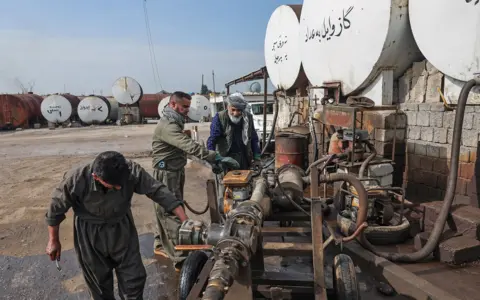
While Ukraine argues that it will need six more weeks to repair the damage and restore the oil flow, Budapest accuses Kyiv of stalling, as revenge for Hungary's pro-Russian and anti-Ukrainian position. The dispute underlines the ability of one or two countries to block EU decision making. It also shows Hungary and Slovakia facing fuel problems, because they refused to follow the lead of others and wean themselves off Russian oil since 2022.
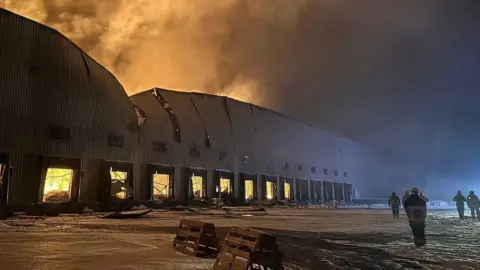
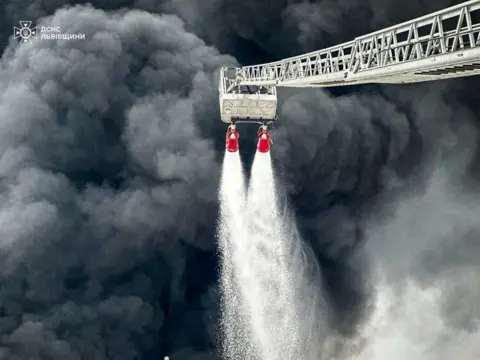
The Brody pumping station in Ukraine's western Lviv region is crucially important for the transit of Russian oil to Hungary and Slovakia. Satellite images obtained by the BBC suggest that the Russian strike on 27 January damaged a key part - a huge tank used to store oil necessary to keep the pipeline pressurised and functioning. The biggest oil tank in Ukraine, with a capacity of 75,000 cu.m, caught fire for about a week, severely affecting the infrastructure's integrity.
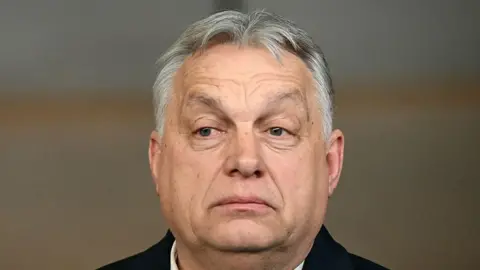
The conflict deepens as Hungarian Prime Minister Viktor Orban takes a hardline stance against Ukraine, increasing the tensions that affect political relations and complicating the EU's ongoing support for Kyiv. Meanwhile, the government in Kyiv appeals for technical assistance and funding to expedite repairs, but the discord over political motivations and energy dependencies continues to hinder progress.
As the conflict drags on, both countries face looming energy crises, highlighting the intricate link between geopolitical dynamics and energy negotiations in the region.