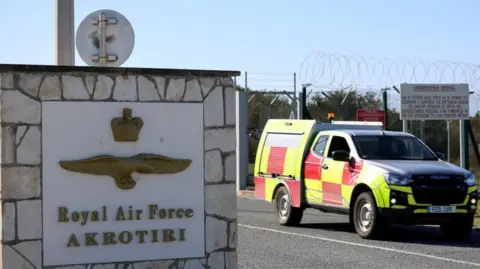
As the sun sets over RAF Akrotiri in Cyprus, the roar of a Typhoon jet is accompanied by the heavy hum of a Voyager refueling aircraft. These aircraft are on a crucial mission - safeguarding airspace against Iranian drone attacks that have intensified following the escalation of military actions in the region.
The RAF Voyager acts as an airborne fuel station, extending the operational range of the Typhoon and F-35 jets that have been patrolling the skies over Cyprus and Jordan for the past month. The missions, chronicled by the BBC, highlight the strategic efforts taken to neutralize drone threats while ensuring air superiority amid ongoing conflict.
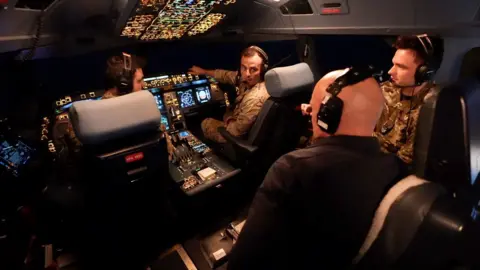
From the cockpit of the Voyager, journalists observed the flickering lights of Cyprus dissipate as they approached the coasts of Israel and Lebanon. With tensions high, an alert crew member pointed out bright flashes on the horizon, indicating either incoming missiles or defensive responses from Israel's Iron Dome system. These rapid reactions underscore the persistent threat posed by Iranian missile launches even after extensive bombing campaigns.
In one recent mission, British jets successfully conducted refueling maneuvers seven times, delivering 30 tonnes of fuel while engaging various defensive operations to detect and thwart drones. However, the pilot emphasized the challenges posed by targeting these unmanned aerial vehicles, which fly at low altitudes making them hard to capture.
Despite the operational complexities, no targets were detected during the latest missions, yet previous encounters have resulted in the downing of multiple drones utilizing advanced short-range missiles. The necessity to balance cost-effectiveness with safety has led to discussions surrounding the expensive missiles required to neutralize less costly drone threats.
Officials at RAF Akrotiri remain vigilant, enhancing air defenses and maintaining a collaborative approach with Cypriot authorities. Following recent drone attacks, the UK’s military response has involved deploying additional aircraft and air defense systems, ensuring the base's readiness against potential hostilities.
As military strategies evolve, the difficulties faced highlight the unpredictable nature of warfare in the Middle East, leaving the future uncertain. Ghosts of previous conflicts linger as the RAF prepares for further engagements in this volatile environment, reminding all involved of the precarious balance between aggression and defense.